




The New Reality of Renting
Gone are the days of settling in one place for decades. For young professionals in bustling Indian metros like Bengaluru, Mumbai, and Gurugram, careers often demand mobility. A study of millennial renters found that nearly half had moved at least twice
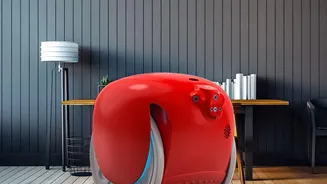
in three years. This frequent relocation makes heavy, traditional furniture—the kind passed down through generations—a significant liability. A bulky, single-piece wooden wardrobe or a solid six-seater dining table becomes an expensive and logistical nightmare to move. As a result, renters are prioritising lightweight, portable, and easy-to-assemble pieces that can be transported without professional help. The mantra is freedom; freedom to move without being weighed down by one's possessions.
The Economics of Adaptability
Beyond the physical burden, there's a strong financial incentive driving this trend. Renting itself is often a choice driven by affordability, and this mindset extends to furnishing. Modular furniture, which can be reconfigured, and flat-pack items, which are easy to transport, offer significant long-term savings. Instead of buying a new dining table for a smaller kitchen, a modular unit can be downsized. A sectional sofa can be rearranged to fit a new living room layout. This adaptability reduces the need to discard and repurchase items with every move. Furthermore, the rise of the furniture rental market in India allows renters to access stylish, functional pieces without the upfront cost and long-term commitment of ownership, aligning perfectly with a flexible lifestyle.
Homes That Work as Hard as We Do
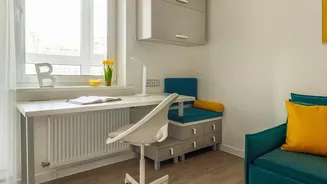
The widespread adoption of remote and hybrid work has fundamentally changed our relationship with our homes. A living space is no longer just for relaxing; it's also an office, a video conference studio, a gym, and a classroom. This has spurred a massive demand for multi-functional furniture. A work desk that converts into a compact dinner table, an ottoman with hidden storage, or a sofa that folds out into a bed are no longer novelties but necessities. In India, the WFH furniture market is projected to grow significantly, from USD 3.56 billion in 2024 to USD 11.45 billion by 2030. This demand is for smart, space-efficient pieces that allow a small urban apartment to serve multiple roles seamlessly.
The Psychology of Personal Space
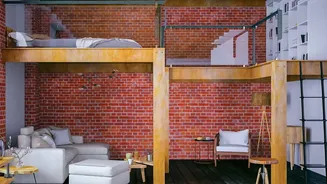
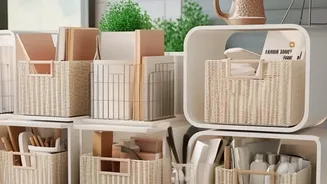
Even if a rental is temporary, the need to feel 'at home' is a powerful psychological driver. Renters, especially millennials and Gen Z, crave the ability to personalise their environment and express their identity. Flexible furniture allows them to do just that. Modular shelving can be arranged to create a unique display, movable partitions can carve out a personal nook, and lightweight chairs can be shifted to create different social zones. This ability to customise and reconfigure a space provides a sense of control and ownership, making a temporary apartment feel like a true home. It is about creating a sanctuary that reflects one's personality, even within the constraints of a rental agreement.
A Move Towards Mindful Consumption
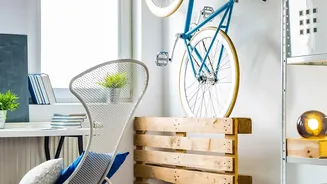
Sustainability is an increasingly important factor in purchasing decisions, especially for younger consumers. The 'fast furniture' model—cheaply made items that are discarded after a short period—is falling out of favour. Today's renters are more conscious of their environmental impact and are looking for durable, long-lasting products. Many are willing to pay more for furniture made from sustainable materials like reclaimed wood or bamboo. This eco-conscious mindset aligns perfectly with mobile furniture. Well-made modular pieces are seen as a long-term investment that evolves with the user, reducing waste and promoting a more circular economy. By choosing furniture that can be moved and adapted, renters are making a choice that is not only good for their lifestyle but also for the planet.