





The Great Mithai Debate: Homemade vs. Store-Bought
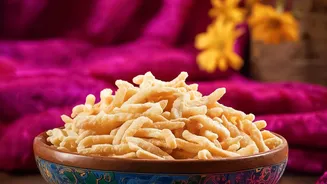
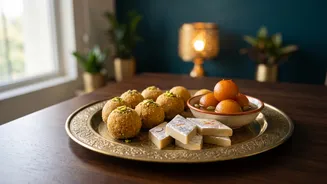
For generations, the heart of Diwali preparations was the family kitchen, a bustling hub where mothers and grandmothers would spend days crafting intricate sweets and savoury snacks. Making laddoos, barfis, and murukkus was not just about food; it was a ritual,
a transfer of culinary heritage. Today, that tradition faces a modern contender: the convenience of the local sweet shop and the endless aisles of online stores. The debate between homemade and store-bought is less about taste and more about time. In many households, with dual-income couples and the pressures of modern work life, spending days in the kitchen is a luxury few can afford. As a result, families are increasingly opting to buy their festive treats. This shift isn't seen as a loss, but as a practical adaptation. The emotional labour, traditionally borne by women, is being reassessed. Buying sweets means everyone gets to participate in the joy of the festival, rather than one person being exhausted by its preparation.
Convenience Clicks: The Rise of Online Diwali Shopping
The single biggest change in festive shopping is the move from bustling bazaars to online browsers. E-commerce and quick-commerce platforms have revolutionized how families prepare for Diwali. Instead of multiple trips to the market, everything from puja supplies and diyas to gourmet sweet boxes can be ordered with a few taps. This digital shift has become a new tradition in itself. Families may now gather around a screen to collectively choose gift hampers, comparing designer mithai boxes and artisanal chocolates that have become popular alternatives to traditional sweets. Quick-commerce apps have seen a massive surge in orders during the festive season, with some platforms reporting a 120% jump. This reflects a new consumer demand for immediacy and convenience, allowing for last-minute purchases of sweets, snacks, and gifts without the stress of advance planning.
A New Recipe for Togetherness
While some may lament the decline of hours spent cooking together, others argue that family bonding has simply found new forms. The core of the festival—sharing joy and sweetness—remains unchanged. The act of sharing food is central to Diwali, whether it's homemade or ordered from a favourite shop. Instead of rolling dough, younger generations might be in charge of curating the perfect online order, ensuring there's something for everyone's taste. The discussion shifts from 'how to make it' to 'what to get'. This still involves negotiation, consideration, and a shared desire to make the celebration special. In this new dynamic, togetherness isn't lost; it's reallocated. It might mean spending more quality time together enjoying the festival, rather than being divided by the labour of preparing for it.
Health-Conscious Choices and Fusion Flavours
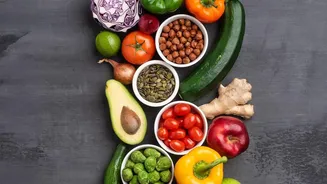
Modern Diwali shopping also reflects broader lifestyle trends, particularly a growing consciousness around health and wellness. The demand for 'healthier' festive options has soared, with consumers seeking out sweets made with less sugar, natural sweeteners like jaggery, or baked instead of fried snacks. This has given rise to an entire market of low-sugar, gluten-free, and even vegan Diwali treats. Furthermore, the modern Indian palate is more global. This is reflected in the popularity of 'fusion' sweets that blend traditional Indian flavours with international concepts. Think rasmalai cheesecakes, gulab jamun tiramisu, or mithai infused with flavours like yuzu or matcha. These creative offerings appeal to younger family members and those looking to bring a novel twist to their festive table, merging nostalgia with new tastes.