








We often shut our windows to keep out noise, dust, and heat, creating a cozy sanctuary. But this very act can trap a cocktail of invisible chemical pollutants, turning our safe haven into a source of indoor air pollution.
The Unseen Guests in Your Home
The main culprits are a group
of chemicals called Volatile Organic Compounds, or VOCs. These are gases that are released from various solids and liquids found throughout our homes. Think of it as 'off-gassing'. Products don't have to be old or actively used to release these chemicals; they can emit them continuously at room temperature. The problem is that while we may not smell them, their concentration can build up to levels that are significantly higher indoors than outdoors—sometimes up to ten times higher. Short-term exposure can lead to headaches, dizziness, and irritation of the eyes, nose, and throat, while long-term exposure is linked to more serious health issues.
Common Culprits in Indian Households
These pollutants come from items we use every day. New furniture, mattresses, and carpets can release formaldehyde, a common and potent VOC. Paints, varnishes, and even some craft supplies are also major sources. In the kitchen, the very act of cooking, especially high-heat techniques like making tadka or deep-frying, releases a complex mix of VOCs and fine particulate matter. Even seemingly harmless items contribute. Air fresheners, cleaning sprays, and personal care products like perfumes can emit a range of chemicals. In many Indian homes, daily rituals like burning incense sticks can also be a significant source of indoor pollution, releasing fine particles and VOCs like benzene and formaldehyde into the air.
The Closed-Window Conundrum
Closing windows and doors seals your home, which is great for temperature control but terrible for air quality. Without a path to escape, the VOCs and other gases continuously emitted from furniture, cooking, and other sources have nowhere to go. They accumulate, and their concentration in the air you breathe steadily increases. Modern homes are often built to be more airtight for energy efficiency, which unintentionally worsens this trapping effect. In essence, while you've blocked out the dust and noise from outside, you've created a closed loop that recirculates and concentrates the pollutants generated inside.
Breathing Easier: Your Action Plan
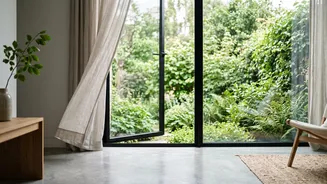
The most effective solution is also the simplest: ventilation. Make it a habit to open your windows wide for 5-10 minutes at least once or twice a day, especially in the morning. This practice, sometimes called 'shock ventilation', allows for a quick and effective exchange of stale indoor air for fresher outdoor air. Create cross-ventilation by opening windows on opposite sides of the house to allow air to flow through. Always use the exhaust fan when you are cooking, particularly during tadka or frying, and in the bathroom after a hot shower to remove moisture and pollutants at the source. These simple habits disrupt the buildup of gases and dramatically improve your home's air quality.
Beyond Opening a Window
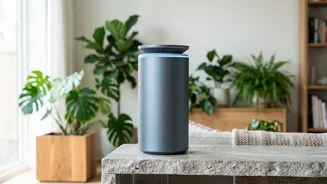
While ventilation is key, you can also tackle the problem at its source. When buying new furniture, paint, or cleaning products, look for 'low-VOC' or 'zero-VOC' labels. If you purchase new pressedwood furniture, let it air out in a garage or an open space for a few days before bringing it inside to allow for initial offgassing. For daily rituals, consider switching to incense made from natural resins and oils instead of synthetic fragrances. If you live in an area with high outdoor pollution or have family members with allergies or asthma, an air purifier with a HEPA filter for particles and an activated carbon filter for gases and odors can be a valuable addition to your home.