



Understanding the Protected Area Permit
While Indian citizens don't need any special permission to enter Sikkim and visit popular towns like Gangtok, Pelling, and Namchi, the rules change for high-altitude border areas. To visit destinations like Tsomgo Lake, Nathula Pass, and the pristine
valleys of North Sikkim, you need a Protected Area Permit (PAP). This system is in place because these regions share sensitive borders with neighbouring countries. It's crucial to understand that a single permit doesn't cover all locations; each specific route, such as the one for Tsomgo Lake or for North Sikkim, requires its own separate PAP arranged for your specific travel dates. These permits are issued by the Sikkim Tourism and Police departments but cannot be obtained by tourists directly.
The Essential Document Checklist
To ensure a smooth permit application, having the correct documents ready is non-negotiable. Each traveller in your group must have a valid government-issued photo ID. The most reliable options are a Voter ID card, a driving licence, or a passport. It is critical to note that the Aadhaar card is frequently not accepted for processing permits for Nathula Pass, Gurudongmar Lake, and other protected zones. To be safe, always carry one of the other accepted forms of ID. Additionally, you will need two to four recent passport-sized photographs for each person. For children under 18, a birth certificate or school ID card is required, often along with a copy of a parent's ID. Always carry both the original documents and a few photocopies.
How to Obtain Your Permits
The entire permit process is facilitated through local tour operators registered with the Sikkim government. You cannot apply for a PAP as an individual traveller. When you book a vehicle for your high-altitude excursions, the registered travel agent or driver will handle the application on your behalf. You'll need to provide them with copies of your documents, typically a day or two before your planned trip. For a day trip to Tsomgo Lake and Nathula Pass, applications are usually submitted the day before travel. For a multi-day North Sikkim tour, it's wise to submit documents a few days in advance, especially during peak seasons. The operator then submits the paperwork, and the permit is issued subject to approval from the authorities.
A Permit-Focused Six-Day Itinerary
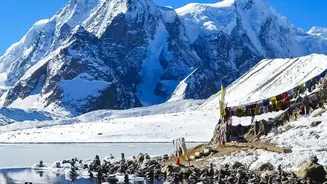
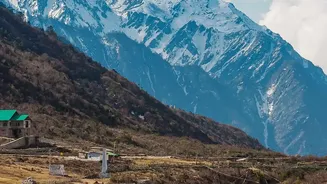
Day 1: Arrive in Gangtok. Your first task is to meet with your chosen travel agent. Hand over the required documents—photocopies of your ID and passport-sized photos—so they can begin the permit process for your upcoming excursions.Day 2: Local Sightseeing in Gangtok. While your permits are being processed, explore the sights around the capital city. Visit the Rumtek Monastery, the Namgyal Institute of Tibetology, or enjoy the views from the ropeway.Day 3: Tsomgo Lake and Nathula Pass Excursion. With your PAP for East Sikkim in hand, embark on a day trip to the stunningly beautiful Tsomgo Lake and the historic Nathula Pass on the Indo-China border. Remember, Nathula is generally closed to tourists on Mondays and sometimes Tuesdays.Day 4: Journey to North Sikkim (Lachen). Today you'll use your second, separate PAP to travel into North Sikkim. The scenic drive to Lachen, your base for Gurudongmar Lake, takes you through breathtaking landscapes with multiple checkpoints where your permit will be verified.Day 5: Gurudongmar Lake and Travel to Lachung. Start early for the journey to the sacred Gurudongmar Lake, one of the highest lakes in the world. Foreign nationals are not permitted to visit this lake. Later, travel to the valley of Lachung, the gateway to Yumthang Valley.Day 6: Yumthang Valley and Return. Visit the 'Valley of Flowers', Yumthang, before beginning your journey back towards Gangtok, concluding your high-altitude adventure.
Crucial Tips for a Smooth Trip
A few key points can make a world of difference. Permits are always subject to weather conditions and the discretion of the Army; roads can be closed at short notice, especially due to snowfall. Solo travel is generally not permitted in these restricted areas; a minimum of two people is often required. Also, vehicles registered outside of Sikkim are not allowed in permit zones, so you must hire a local taxi. Always carry extra copies of your documents and photographs, as they might be needed at various checkpoints. Finally, while your operator handles the logistics, it's your responsibility to carry your original ID with you at all times during your excursions.