





The 2026 Monsoon: A Tale of Extremes
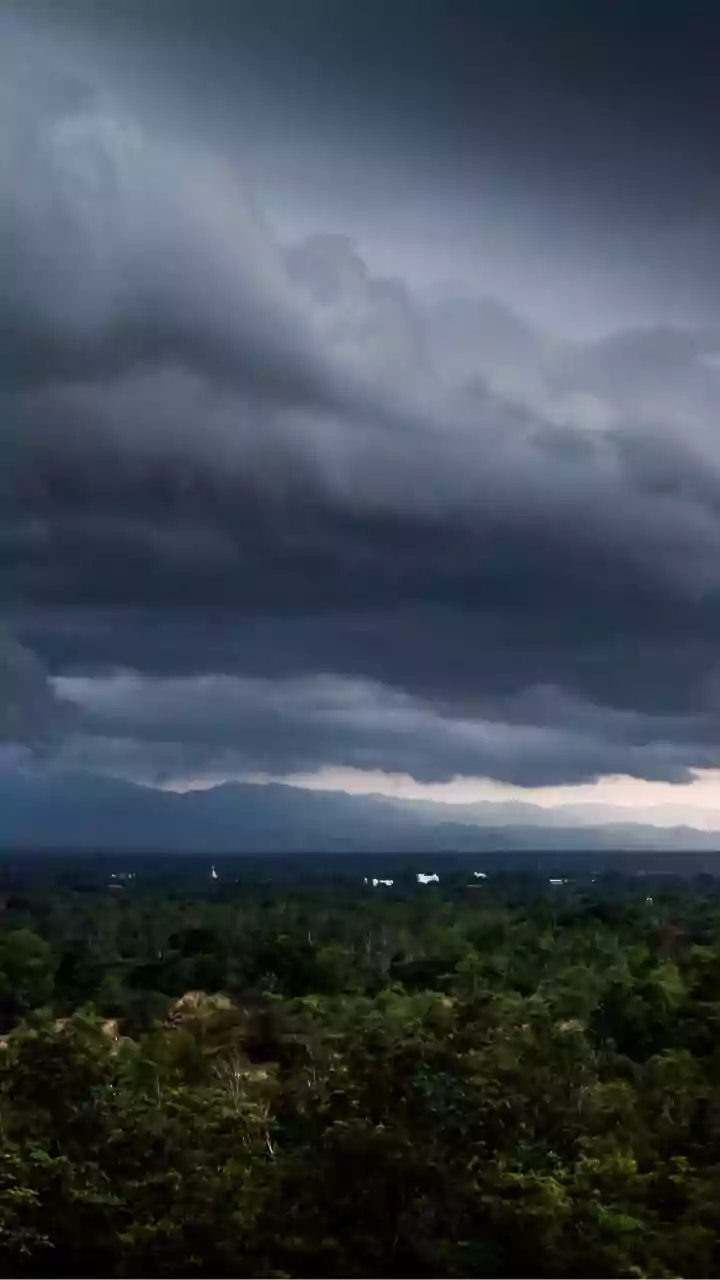
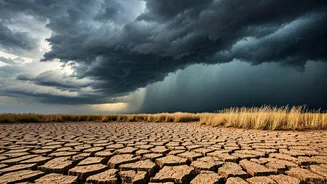
This year's monsoon season is proving to be a challenge in predictability. After arriving around June 4, the monsoon advanced across several regions but then stalled, leading to one of the driest Junes on record for many parts of the country. This has
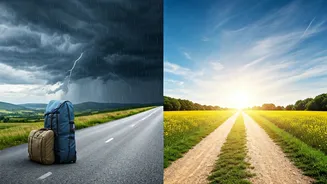
created a drought-deluge pattern: long dry spells broken by sudden, intense downpours. The India Meteorological Department (IMD) has forecast a season of extremes, with some regions like Northeast India, West Bengal, and Sikkim facing heavy to extremely heavy rainfall, while others simultaneously experience heatwave conditions. For citizens, this means grappling with waterlogging, traffic disruption, and possible landslides one day, and unusually hot, dry weather the next.
Rethinking the Daily Commute
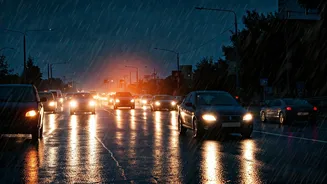
For urban professionals, the daily commute is the first casualty of an active monsoon. Cities like Mumbai, Bengaluru, and Delhi are already known for traffic congestion, which is severely worsened by waterlogged roads. In response, many companies are embracing more flexible work policies. Options like hybrid models, which allow employees to work from home one or two days a week, are becoming invaluable. Some firms have adopted a "core hours" approach, especially in regions with relentless rain, allowing employees to travel outside of peak, congested hours. This shift is not just about convenience; it's about employee safety and productivity, as discussions on professional networks highlight the impracticality of rigid office attendance during severe weather alerts.
Smarter Travel, Near and Far
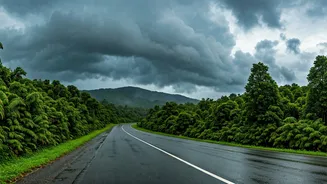
Monsoon travel requires a new level of planning. Flight delays and cancellations become more frequent, with a 30-45% delay rate expected during the season. Airports in Mumbai, Goa, and Kolkata are particularly prone to disruptions due to heavy rain and low visibility. Experts advise booking direct flights where possible, opting for early morning departures to avoid afternoon storms, and building a buffer of at least three hours for any connecting flights. For road travel, especially to popular monsoon destinations in the Western Ghats, it’s crucial to stay updated on weather warnings, as heavy rain can cause landslides and blockages on mountain roads. Having travel insurance that covers weather-related disruptions is also a wise investment.
The Art of the Social Rain Check
Social plans are often the most difficult to manage during the monsoon. A sudden downpour can derail a carefully planned outing, leading to frustration. The key is to build flexibility into your social calendar. Opt for venues that are easily accessible via public transport like the metro, which is less affected by road waterlogging. Consider planning more indoor activities, like potlucks, game nights, or movie marathons at home. When making plans, have a 'Plan B' in mind or be mentally prepared to reschedule. Communicating openly with friends about the possibility of a rain check can prevent last-minute stress and ensure that when you do meet, it’s an enjoyable experience rather than a logistical nightmare.
Home and Health Preparedness
An unpredictable monsoon also calls for reinforcing your home base. The humid weather is a breeding ground for bacteria and fungi, making personal hygiene paramount. Health experts advise drinking boiled or purified water, avoiding street food, and eating freshly cooked meals to prevent waterborne illnesses. To combat vector-borne diseases like dengue and malaria, it's essential to prevent water from stagnating in and around your home. Ensure your home is well-ventilated to prevent dampness and mould. Finally, have a basic emergency kit with first-aid supplies, torches, and power banks ready for any unexpected power cuts or emergencies caused by severe weather.