






The New Corporate Cool-Down
Across the sprawling tech parks of Bengaluru, Gurugram, and Hyderabad, a subtle shift is visible as dusk settles. Groups of employees, still in their work attire, are not heading to the parking lot but to the landscaped pathways and service roads that
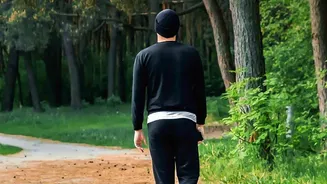
crisscross the campuses. This isn't a formal fitness drive, but an organic movement. The evening walk has become the new post-work ritual, a low-impact habit that is rapidly gaining favour over happy hours or high-intensity gym sessions. It signifies a broader change in corporate India, where employee well-being is evolving from structured programs to personal, sustainable habits.
An Antidote to Digital Fatigue
A primary driver of this trend is the urgent need to decompress from a day spent staring at screens. The hybrid work model, while offering flexibility, has often blurred the lines between professional and personal life, leading to digital burnout. An evening walk provides a crucial, screen-free transition. It creates a physical and mental boundary, signalling the end of the workday and allowing the mind to detach from emails, deadlines, and virtual meetings. This simple act of moving outdoors helps lower stress hormones like cortisol and activates the body's 'rest and digest' nervous system, a natural remedy for a mind stuck in overdrive.
Why Walking Wins on Accessibility
Compared to other fitness options, the appeal of walking lies in its simplicity and accessibility. It requires no expensive membership, special equipment, or rigorous scheduling. For time-poor professionals juggling long work hours and commutes, this is a significant advantage. The barrier to entry is virtually zero. You can start with a 15-minute stroll and gradually increase the duration. This flexibility makes it a sustainable habit rather than a daunting fitness goal, which is why traditional corporate wellness programs often see low participation, whereas informal walking is thriving.
More Than Just Steps
The social dimension of evening walks cannot be overstated. These strolls have become a new form of networking—a relaxed, informal alternative to boardroom meetings. Colleagues connect on a personal level, teams bond, and friendships are forged. In cities like Bengaluru, organised walking groups that mix networking with exercise are becoming increasingly popular, bringing together professionals from across the tech ecosystem. It's a chance to discuss ideas, share challenges, or simply talk about life outside of work, fostering a sense of community that has been partially lost in the era of remote work.
The Science of a Simple Stroll
The benefits are not just anecdotal; they are backed by science. A low-impact walk after the day's last meal aids digestion and helps regulate blood sugar levels, which is particularly beneficial for a workforce prone to lifestyle diseases. Furthermore, evening walks can significantly improve sleep quality. The gentle physical activity, combined with exposure to the day's fading light, helps regulate the body's internal clock, making it easier to fall and stay asleep. This boost in physical and mental well-being translates to improved mood, increased focus, and higher productivity the next day.