







Why Evidence Is Your Best Friend
When you report a hygiene issue, whether it's at a restaurant, a food stall, or concerning a packaged product, your word alone is often not enough. Authorities and consumer forums need verifiable proof to act. A complaint backed by solid evidence moves
from being a simple claim to a credible report that demands investigation. This documentation not only strengthens your case but also helps officials identify patterns and hold businesses accountable. A recent case in Himachal Pradesh saw a consumer win a significant compensation from a major company after a lab test, initiated by his complaint, confirmed fungal growth in a sealed juice pack. This highlights how crucial concrete proof is in the process.
The Essential First Step: Document Everything
The moment you notice a problem, it's time to become a meticulous record-keeper. Your memory can fade, but written notes are permanent. Start by jotting down the core details: the what, where, when, and who. Note the exact date and time of the incident. Write down the full name and address of the business. If it's a food business, look for the 14-digit FSSAI license number, which is often displayed on the premises or printed on the bill. Having this number is extremely helpful for regulators. Also, note down the specific issue you observed—was it pests, a dirty restroom, improperly stored food, or a foreign object in your meal? The more precise your initial notes are, the clearer your complaint will be.
Visual Proof: A Picture or Video Is Crucial
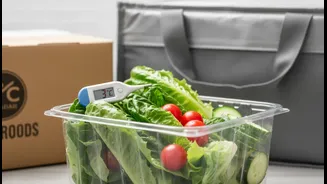
In the age of smartphones, capturing visual evidence has never been easier. Clear photographs or a short video can be the most powerful part of your complaint. Take photos of the unhygienic conditions, the foreign object in your food, or the tampered packaging. Make sure your photos are well-lit and in focus. If you're capturing an issue with a packaged product, take a picture of the brand name, the manufacturing and expiry dates, and the batch number alongside the problem area. This visual proof is vital for authorities like the Food Safety and Standards Authority of India (FSSAI) when you file a complaint through their 'Food Safety Connect' app or web portal.
Preserve Physical Evidence and Paper Trails
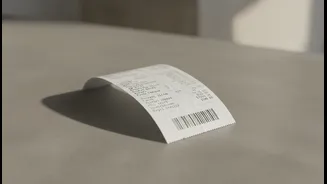
Beyond photos, physical evidence can be indispensable. Always keep the purchase bill or receipt. This is your primary proof of transaction, linking you and the problematic product to the specific business and date. If the issue is with a packaged good, do not throw the item or its packaging away. The product itself may be needed for laboratory testing, and the packaging contains vital information like the batch number and manufacturer details that are essential for a recall or investigation. Even communication records, like emails or messages you sent to the business to resolve the issue initially, should be saved as they demonstrate you made a good-faith effort to handle the problem directly first.
Making Your Complaint: Where to Go
Once you have your evidence compiled, it's time to file the formal complaint. For food-related issues, the most direct route in India is the FSSAI's 'Food Safety Connect' platform, which is available as a mobile app and a web portal. This system allows you to upload your evidence and generates a unique tracking ID to monitor your complaint's progress. You can also approach the National Consumer Helpline (NCH) by dialling 1915, especially if you are seeking a refund or compensation. For broader hygiene issues not related to food, you can contact your local municipal corporation's health department. For unresolved issues or to seek compensation, you can file a case with a District Consumer Disputes Redressal Commission (Consumer Court).