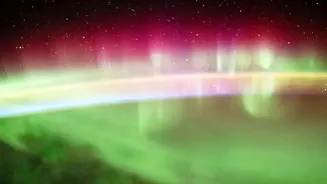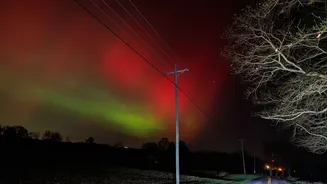



The ethereal dance of the aurora is one of nature’s most breathtaking spectacles. But behind this celestial light show lies a powerful and potentially destructive force, a direct link between the sun and our planet's essential infrastructure.
A Celestial Warning Sign
For centuries,
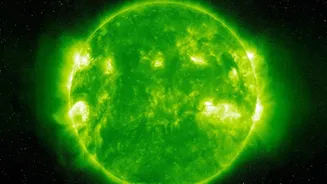
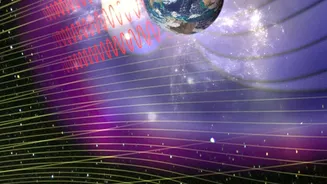
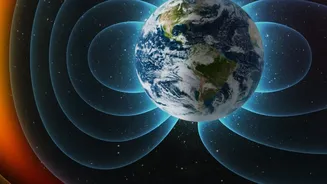
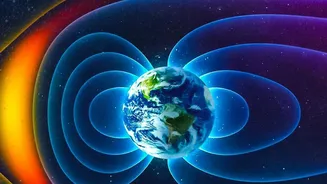
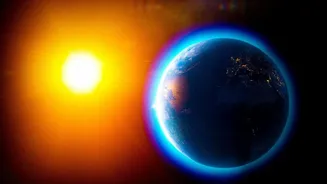
the Northern and Southern Lights have captivated humanity. These shimmering curtains of green, red, and purple light are the visible result of activity on the sun. Our star constantly emits a stream of charged particles known as the solar wind. When these particles, energized by solar flares or massive eruptions called coronal mass ejections (CMEs), reach Earth, they interact with our planet’s magnetic field. This magnetic field funnels the particles toward the poles, where they collide with oxygen and nitrogen atoms in the upper atmosphere, causing them to glow. This same process, a geomagnetic storm, is what makes the aurora a beautiful indicator of a potentially hazardous event for our technology-dependent world. The more intense the solar activity, the brighter and more widespread the aurora becomes.
How Solar Storms Shock the System
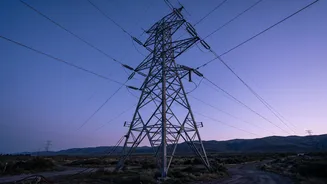
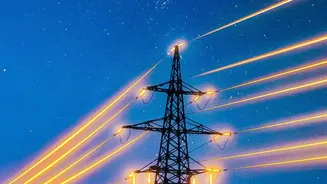
While our magnetic field protects us from the worst of the solar wind, intense geomagnetic storms can cause it to fluctuate violently. This rapid change induces powerful, low-frequency electrical currents in the Earth's crust itself. These are known as geomagnetically induced currents, or GICs. These currents naturally seek the path of least resistance, and they find an ideal one in our sprawling, man-made networks of high-voltage transmission lines. Power grids are designed to handle alternating current (AC), but GICs behave more like direct current (DC). When these stray DC-like currents flow into the giant transformers at the heart of the grid, they can cause the magnetic core to saturate and overheat, leading to catastrophic failure. This can trip safety relays, distort the electrical waveform, and in severe cases, cause a cascading collapse of the entire grid.
Lessons from History: From Telegraphs to Blackouts
The threat is not theoretical. The most powerful geomagnetic storm on record, the Carrington Event of 1859, occurred before the age of electricity. Even then, it wreaked havoc on the technology of the day: the global telegraph system. Sparks flew from equipment, operators received electric shocks, and some offices even caught fire. In our modern era, a prime example is the March 1989 blackout in Quebec, Canada. A severe geomagnetic storm caused the entire provincial power grid to collapse in less than 90 seconds, leaving millions in the dark for over nine hours. The same storm caused over 200 grid problems across the United States and damaged a large transformer at a nuclear power plant in New Jersey. These events served as a stark wake-up call to the vulnerability of our electrical infrastructure.
Bracing for Impact: Protection and Prediction
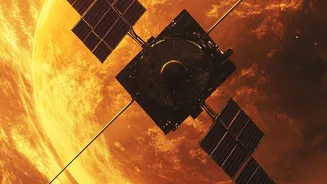
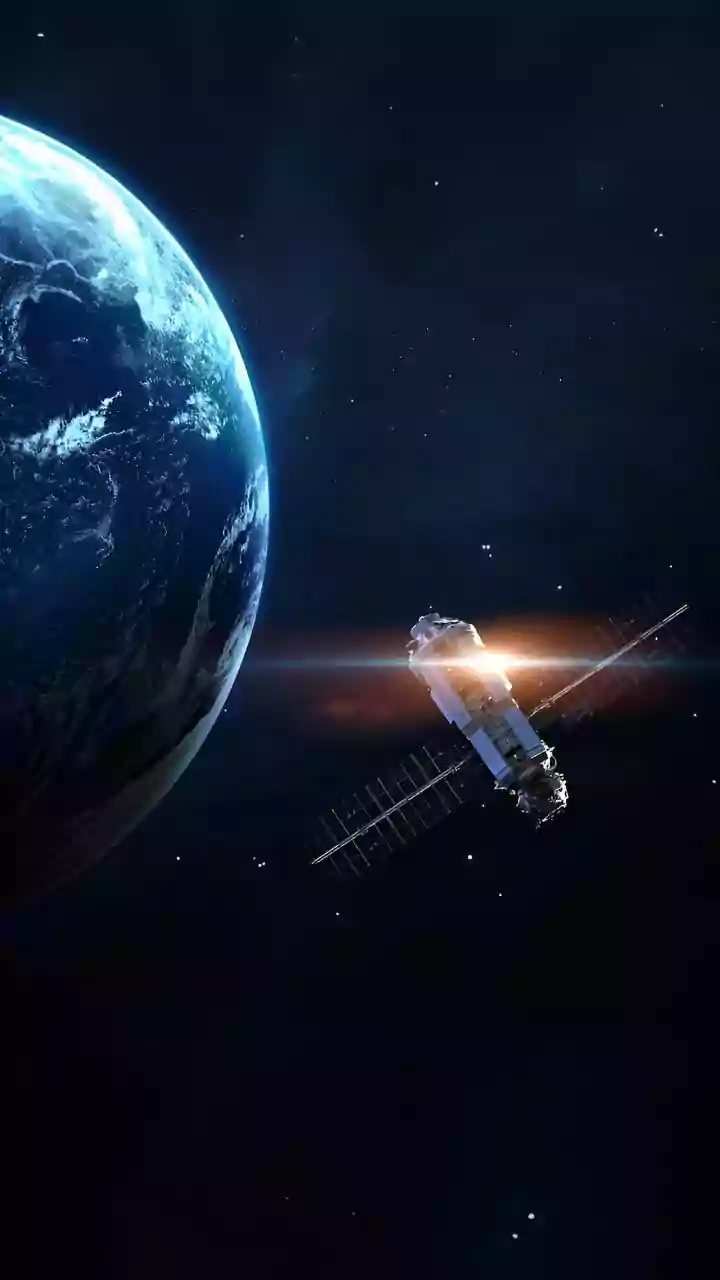
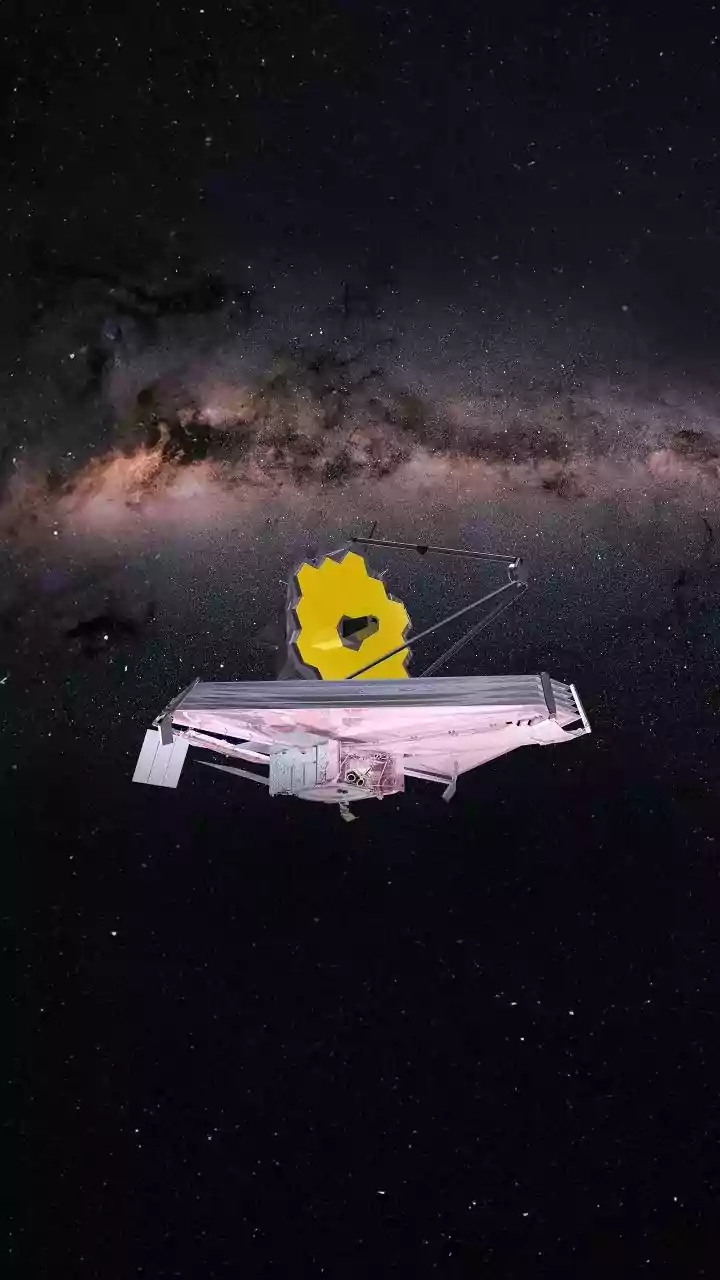
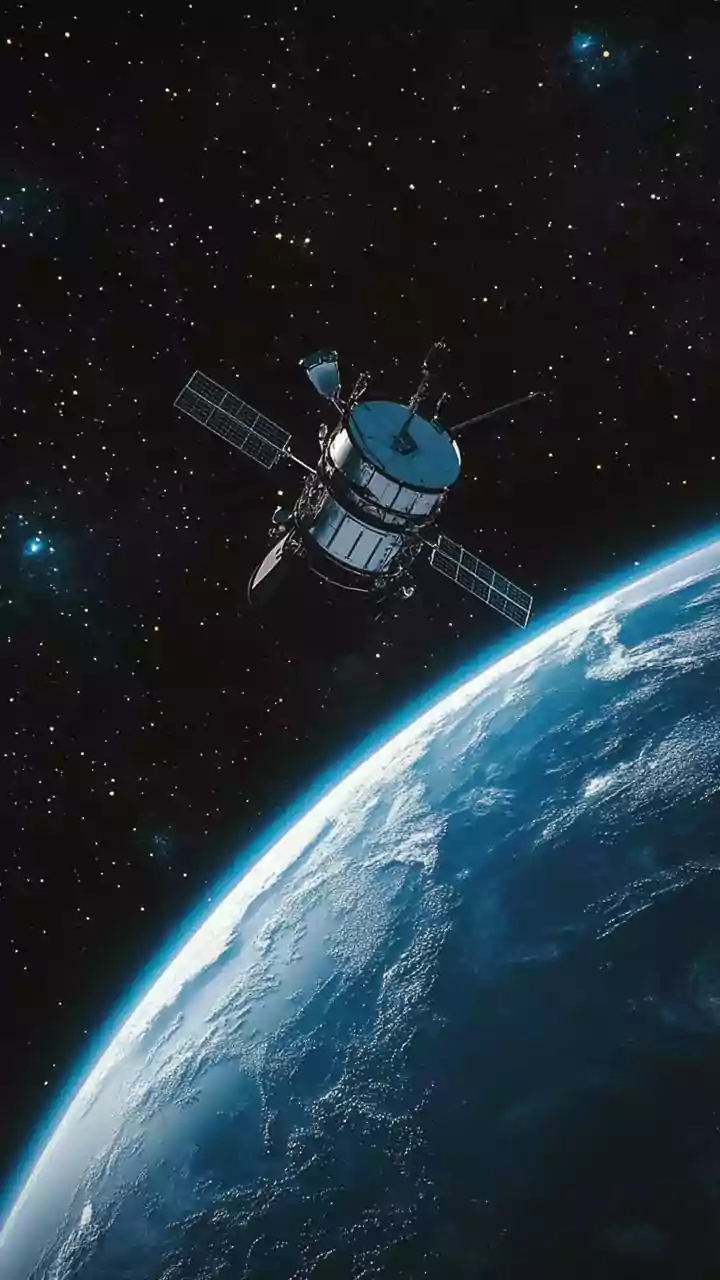
If a Carrington-level event were to happen today, the consequences would be far more severe, potentially causing widespread, long-lasting blackouts and trillions of dollars in damage. Recognizing this, power utilities and space agencies are actively working on solutions. Improved space weather forecasting, through satellites that monitor the sun, can provide crucial warning time—from days to as little as an hour—before a storm hits Earth. This allows grid operators to take protective measures, such as reducing load on the system or temporarily taking sensitive equipment offline. On the hardware front, engineers are developing and installing technologies like neutral blocking devices, which can stop GICs from entering transformers. Other strategies include building more resilient transformers and installing capacitor banks to absorb sudden energy surges, hardening the grid against the sun's fury.