




The Pre-Monsoon Vigil
Long before the official declaration of the monsoon's arrival by the India Meteorological Department (IMD), a unique kind of excitement brews. In cities like Pune, Mumbai, Bengaluru, and Kochi, small but passionate communities of 'monsoon chasers' begin
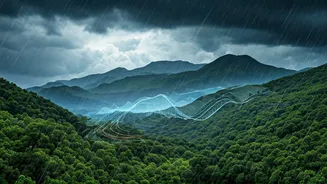
their annual ritual. These are not just casual rain lovers; they are a dedicated tribe of amateur meteorologists, photographers, and adventurers who find joy in tracking, predicting, and experiencing the very first pre-monsoon thundershowers. Armed with smartphones, laptops, and an encyclopaedic knowledge of local terrain, they scour satellite imagery, wind patterns, and Doppler radar data, looking for the tell-tale signs of convective clouds building over the Arabian Sea.
A Blend of Science and Passion
For these chasers, the pursuit is a sophisticated game. WhatsApp groups and Facebook pages buzz with activity. Members share screenshots from weather apps like Windy and AccuWeather, debating cloud-top temperatures and potential storm paths. They are citizen scientists in action. Experienced members, often with backgrounds in engineering, IT, or science, guide the novices, explaining the difference between a fleeting shower and the sustained, soul-soothing rains that signal the monsoon's true onset. Their vocabulary is filled with terms like 'orographic lift,' 'wind shear,' and 'cumulonimbus.' This isn’t just about getting drenched; it’s about understanding the majestic mechanics of the atmosphere and being present for its most dramatic performance.
The Ghats as a Grand Theatre
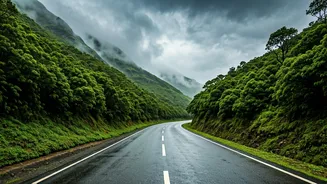
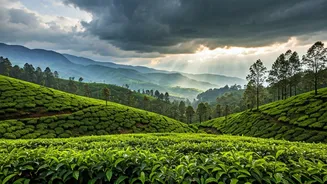
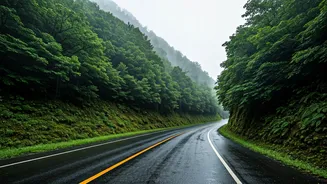
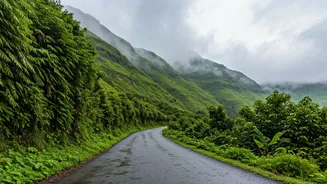
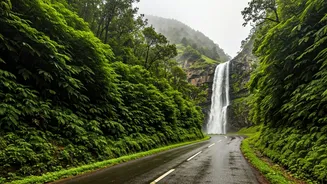
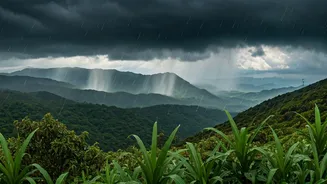
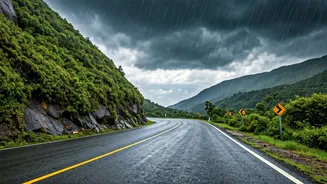
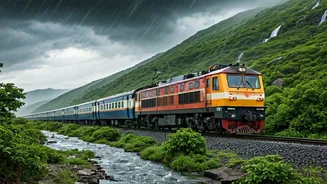
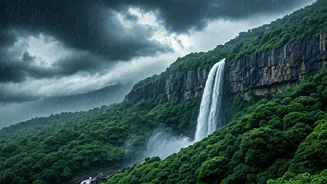
The Western Ghats provide the perfect stage for this annual drama. As the moisture-laden winds from the sea encounter this formidable mountain barrier, they are forced to rise, cool, and condense, unleashing spectacular downpours. This 'orographic effect' turns specific locations into legendary monsoon hotspots. The ghat sections near Tamhini, Varandha, and Amboli in Maharashtra, or the winding roads to Agumbe in Karnataka, become coveted destinations. Chasers plan weekend trips with meticulous detail, aiming to be at the right viewpoint at the right time. They seek not just the rain itself, but the complete sensory experience: the dark, dramatic clouds rolling in over greening hills, the sudden drop in temperature, the earthy petrichor rising from the dust, and the roar of the wind that precedes the deluge.
The Thrill of the First Drop
A typical chase begins with a digital alert. A promising cloud formation is spotted offshore. The group mobilises. Cars and motorcycles are readied. Routes are planned to intercept the storm cell as it moves inland. The drive is a race against time, filled with a nervous energy. The chasers look for visual cues—a darkening horizon, a flash of lightning in the distance. And then, it happens. The first few heavy drops splat against the windscreen, leaving streaks on the dusty glass. It’s a moment of pure euphoria. They pull over, step out of their vehicles, and let the cool, clean rain wash over them. Cameras click, capturing the raw emotion and the stunning transformation of the landscape from brown to vibrant green. This first shower is a validation of their knowledge, their patience, and their shared passion.
A Community Forged by Rain
Beyond the adventure and amateur science, monsoon chasing is about community. These groups bring together people from all walks of life—students, corporate executives, artists, and retirees—united by a common love. They share tips on safe driving in the ghats, recommend the best spots for a hot cup of chai and bhajias during a downpour, and celebrate each other's photographs and videos online. The bonds forged during these rainy expeditions often last a lifetime. They have created a subculture that celebrates a phenomenon central to Indian life, transforming the passive act of waiting for the rain into an active, joyous pursuit.