








A New Frontier for Indian Enterprise
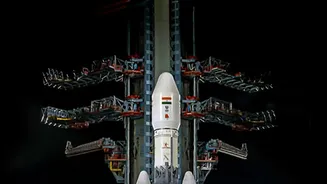
For decades, India's journey into space was championed solely by the Indian Space Research Organisation (ISRO), a government entity that delivered national pride with famously frugal engineering. The success of missions like Chandrayaan and Mangalyaan
established India as a major spacefaring nation. However, the landscape is undergoing a dramatic transformation. Following policy shifts to open up the space sector, the nation is witnessing the rise of a vibrant private ecosystem. Hundreds of startups are now entering the fray, aiming to build everything from satellites to launch vehicles, and now, even lunar rovers.
The Low-Cost Innovation Edge
The calling card for India's space efforts has always been cost-effectiveness. The Chandrayaan-3 mission, for example, cost significantly less than similar missions from other countries and even less than some Hollywood space movies. This philosophy is the cornerstone for the new wave of space startups. They are leveraging a combination of factors to build affordable lunar rovers: innovative design, 3D printing of components, modular architectures, and access to India's skilled but lower-cost engineering talent. The goal is not just to reach the Moon, but to do so in a way that is commercially viable, turning lunar exploration from a state-funded prestige project into a sustainable business.
Meet the Lunar Trailblazers
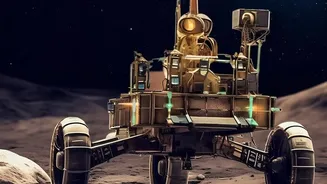
While many startups focus on rockets and satellites, a few are turning their attention to the lunar surface. For instance, the founders of Bengaluru-based Kepler Aerospace include an engineer who worked on a lunar nano-rover project. Another company, ORBITBeyond, is establishing a facility in Odisha to design and manufacture rovers, drawing on the expertise of engineers who worked on ISRO's Chandrayaan missions. This cross-pollination of talent, from the public sector to private enterprise, is accelerating development. These companies aren't just building hardware; they're creating a full stack of technologies for surface mobility, payload integration, and communication, aiming to provide 'mobility-as-a-service' on the Moon.
Piggybacking to the Moon
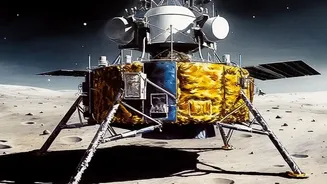
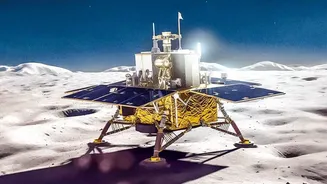
Building a rover is only half the challenge; getting it to the Moon is the other. Most startups will not build their own landers initially. Instead, they are designing their rovers as 'payloads'—cargo that can be carried aboard lunar landers built by national space agencies or larger commercial players. This includes future ISRO missions and international opportunities. NASA's Commercial Lunar Payload Services (CLPS) program, for example, has opened the door for private companies to deliver scientific instruments and technologies to the lunar surface. With NASA recently inviting ISRO to participate in its ambitious Moon Base program, the opportunities for Indian-built hardware to find a ride to the Moon are set to multiply.
The Emerging Lunar Economy
These low-cost rovers are the building blocks of a future lunar economy. Their primary purpose will be to carry scientific instruments for government agencies and research universities, searching for water ice and analysing the lunar soil. But commercial applications are on the horizon. This includes prospecting for resources, supporting infrastructure for future human habitats, and providing logistics for other commercial operations on the Moon. By developing this crucial surface mobility technology, Indian startups are positioning themselves not merely as participants, but as essential service providers in the next era of space exploration.