




More Than Just a Spare Bed
Traditionally, a daybed was a compromise. It was neither a full-fledged sofa nor a proper bed, but something in between, designed to solve the problem of hosting overnight guests in a small space. While incredibly functional, it often lacked the aesthetic
appeal to be considered a primary piece of furniture in a living room or study. Its purpose was clear: to be a bed that could pretend to be a couch. That perception, however, has completely dissolved. The new wave of daybeds is less about compromise and more about possibility, combining high-end design with the practicality that has always been its strength.
The 2026 Style Revival
The daybed of 2026 is a design-forward piece of furniture. Designers are reinterpreting its classic form with clean lines, sculptural shapes, and luxurious materials. Forget the clunky frames of the past; today’s daybeds feature everything from warm, rounded wooden frames and minimalist metal bases to fully upholstered bodies in rich velvets and textured bouclés. We're seeing low-profile designs that make a room feel more relaxed and flexible, and statement pieces with unique silhouettes that act as functional art. The focus is on creating an object that is as beautiful to look at as it is comfortable to lounge on, proving that utility and high style can coexist.
A Response to Modern Indian Living
The daybed’s resurgence is perfectly timed for the realities of modern Indian urban life. As homes in metropolitan areas become more compact, the demand for smart, space-saving furniture has skyrocketed. Multifunctional pieces are no longer a niche choice but a necessity for creating adaptable living spaces. A daybed serves multiple needs without occupying a large footprint. It can be a primary sofa in a studio apartment, a comfortable lounger in a home office that doubles as a guest room, or a dedicated relaxation spot in a larger living area. In a culture that values hospitality, it offers a ready-made solution for accommodating family and friends, fitting seamlessly into a lifestyle that is both dynamic and social.
Beyond the Guest Room
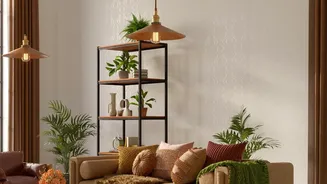
The biggest shift is seeing the daybed confidently placed in the main living room. It can be used to break up a large space, create a cozy reading nook by a window, or even replace a traditional sofa entirely for a more relaxed and informal atmosphere. Paired with a coffee table and an armchair, it forms a conversational area that feels both inviting and chic. The key is to style it like a sofa: use bolsters, a variety of throw pillows to create back support, and a stylish coverlet. This layering makes it look and feel like a deliberate, sophisticated choice rather than a temporary solution. The daybed’s three-sided frame also makes it ideal for positioning away from a wall, where it can act as a subtle divider in an open-plan room.
Finding the Right Fit
Choosing a daybed is about balancing aesthetics with function. Most standard daybeds fit a twin-size mattress, which makes finding bedding easy. Consider the frame: a solid wood frame can bring warmth, while a metal frame offers a more industrial or minimalist look. Upholstered options provide extra comfort and a sofa-like appearance. Look for models with built-in storage drawers or a trundle underneath if you need to maximize functionality, a common feature in many new designs. Ultimately, the best daybed is one that complements your existing decor while serving the multiple needs of your household, from daily lounging to hosting guests.