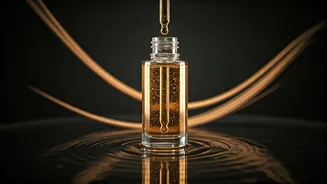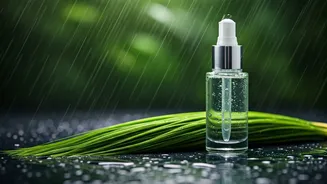





First, What Is a Scalp Serum?
Let’s clear up a common confusion: a scalp serum is not the same as a hair serum. While hair serums are typically silicone-based products designed to coat your hair strands, tame frizz, and add shine, scalp serums are formulated like skincare for your head.
They are lightweight, water- or oil-based treatments packed with active ingredients that penetrate the skin on your scalp. Think of it this way: you use a face serum to target specific skin concerns like acne or dryness. A scalp serum does the exact same thing for the skin on your head, addressing issues like oiliness, dandruff, inflammation, and hair fall directly at the follicle.
The Monsoon Scalp Meltdown
The monsoon season in India creates a perfect storm for scalp problems. The extreme humidity in the air is the primary culprit. Your scalp, just like the skin on your face, can go into overdrive, producing excess sebum (oil). This extra oil, combined with sweat and environmental pollutants, creates a breeding ground for bacteria and fungi, particularly Malassezia globosa, the fungus linked to dandruff. This leads to that familiar cycle of a greasy, itchy scalp, flaky buildup, and inflammation. This inflammation around the hair follicles can weaken the hair roots, contributing to the increased hair shedding—or 'hair fall'—that so many of us experience during this season.
How Serums Are a Targeted Solution
This is where scalp serums become your monsoon MVP. Instead of just masking problems, they deliver concentrated ingredients to tackle the root cause. A good scalp serum can rebalance your scalp’s microbiome, control oil production, soothe inflammation, and exfoliate dead skin cells. Unlike heavy oils or thick masks that can feel suffocating in humid weather, serums are lightweight and fast-absorbing. They work behind the scenes to create a healthy, balanced environment for your hair to grow from, without weighing your hair down or making it look even greasier. They are the precise, potent treatment your stressed-out monsoon scalp is crying out for.
Your Ingredient Cheat Sheet
Choosing the right serum depends on your specific concern. Here are some key ingredients to look for: * **For Oily & Clogged Scalps:** Look for salicylic acid, a beta-hydroxy acid (BHA) that gently exfoliates and deep-cleanses pores. Niacinamide is another hero ingredient for regulating sebum production. * **For Dandruff & Itchiness:** Ingredients like tea tree oil, ketoconazole, and zinc pyrithione have powerful anti-fungal properties to combat dandruff. Soothing ingredients like aloe vera or centella asiatica (cica) can calm irritation. * **For Hair Fall & Thinning:** Peptides, caffeine, and ingredients like Redensyl or Anagain stimulate the hair follicles and can help boost hair density and reduce shedding. * **For Dry & Dehydrated Scalps:** Even in the monsoon, some scalps can be dry. Hyaluronic acid provides lightweight hydration without being greasy, while ceramides help repair the scalp’s natural moisture barrier.
How to Use Them for Best Results
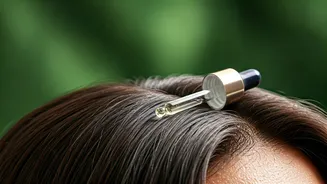
Incorporating a scalp serum into your routine is simple. The best time to apply it is on a clean scalp, either after washing when your hair is still damp or on dry hair before bed. Part your hair into sections to expose the scalp. Use the dropper to apply a few drops directly onto the skin, spacing them out across different areas of your head. Once applied, use your fingertips to gently massage the serum into your scalp for a minute or two. This not only ensures even distribution but also boosts circulation. Most scalp serums are leave-in treatments, so there's no need to rinse. Consistency is key—use it as directed, typically a few times a week or daily, to see the best results.