


The Science of a Celestial Blush
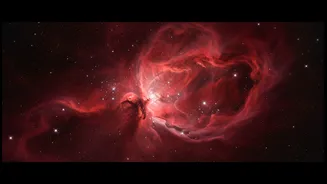
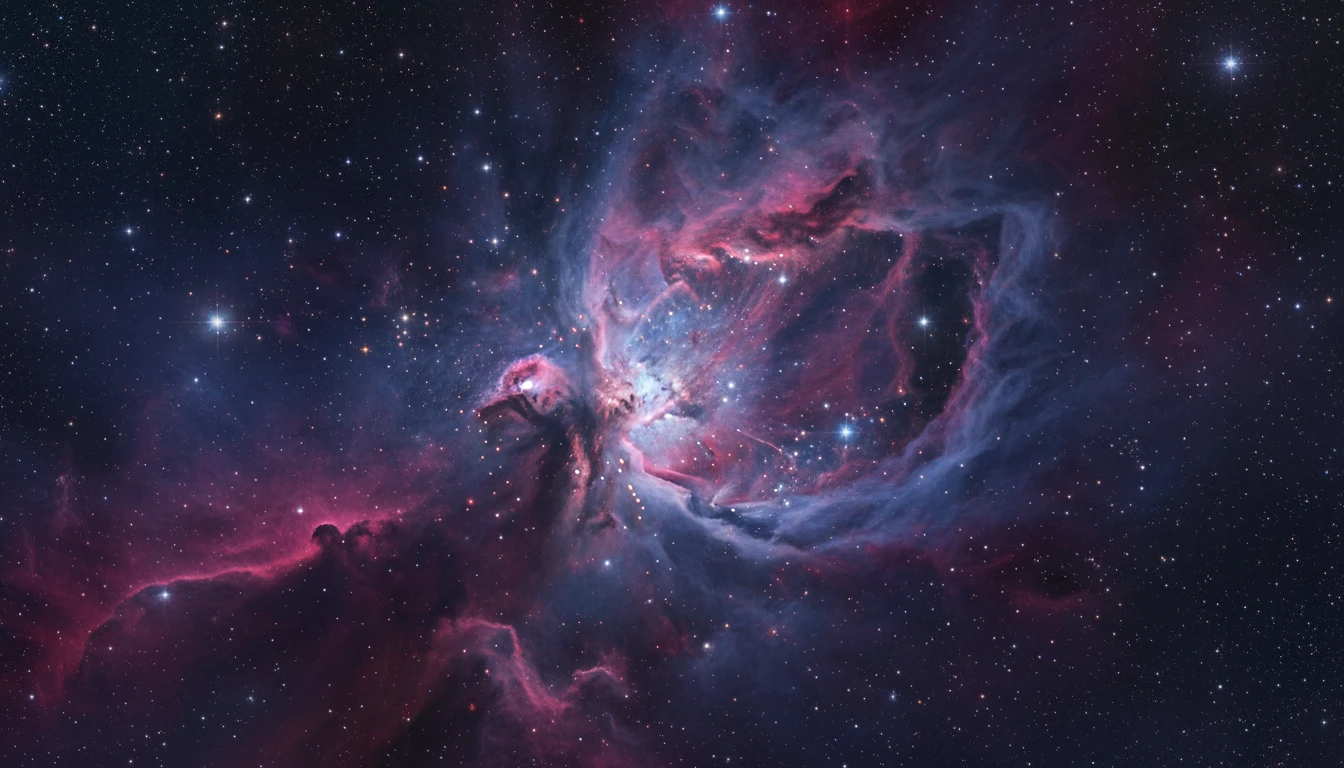
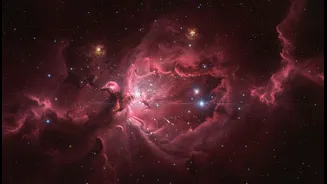
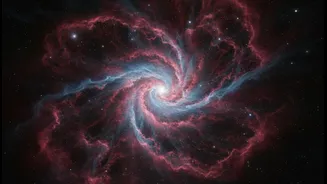
The spectacular red and crimson hues seen in many nebulae are the signature of hydrogen, the most abundant element in the universe. These vast clouds of gas and dust are often stellar nurseries, regions where new stars are born. At the heart of these
formations are young, incredibly hot and massive stars that unleash tremendous amounts of high-energy ultraviolet radiation. This radiation energizes the surrounding hydrogen gas, stripping electrons from their atoms in a process called ionization. As these electrons eventually recombine with the hydrogen atoms, they release their excess energy as light. The most prominent wavelength they emit is a specific, vibrant shade of red known as hydrogen-alpha, or H-alpha. This process, called emission, is what causes these clouds to glow, painting them in the rich, crimson tones that astrophotographers and space enthusiasts find so compelling.
Cosmic Clouds of Creation
These glowing crimson regions, known to astronomers as H II regions or emission nebulae, are some of the most dynamic and visually stunning places in our galaxy. They are not just pretty lights; they are the active construction zones of the cosmos. Within these dense clouds, gravity pulls gas and dust together into clumps that grow hotter and denser, eventually igniting to form new stars. The very stars that illuminate the nebula are often the most recent creations of the cloud itself. Over millions of years, the intense radiation and powerful stellar winds from these newborn stars will gradually carve away at the nebula, sculpting it into intricate pillars, bubbles, and filaments before eventually dispersing the gas and dust entirely, leaving behind a sparkling new star cluster. So when you see a crimson nebula, you are witnessing the beautiful, fleeting process of creation on a galactic scale.
Real-World Crimson Wonders
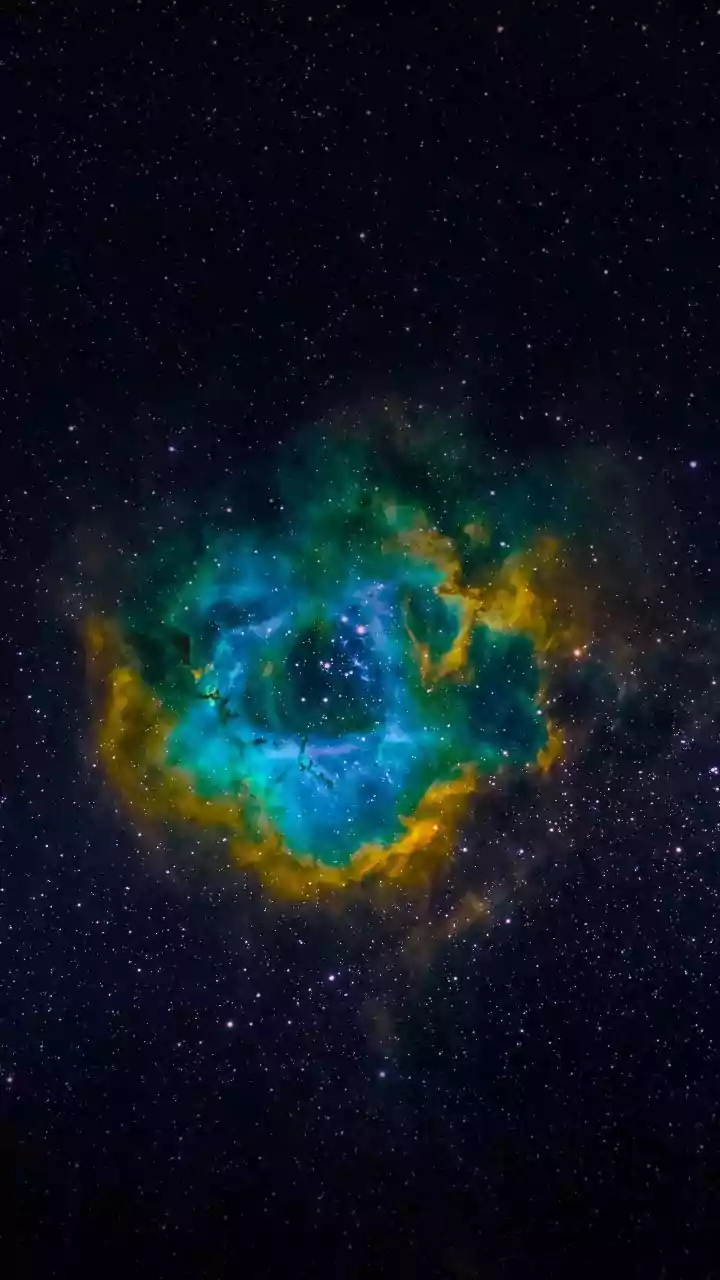
While a single "Crimson Nebula" is the stuff of imagination, the universe provides an incredible gallery of real-world examples. One of the most famous is the North America Nebula (NGC 7000), located in the constellation Cygnus. It gets its name from its uncanny resemblance to the continent and is a favourite target for astronomers due to its brilliant red glow, which shows up vividly in long-exposure photographs. Another breathtaking sight is the Rosette Nebula (NGC 2244) in the constellation Monoceros. This enormous, flower-shaped cloud of hydrogen gas spans roughly 130 light-years in diameter and is lit from within by a cluster of hot, young stars. Its circular shape and delicate, petal-like structures make it one of the most beautiful objects in the night sky. Then there is the Heart and Soul Nebulae (IC 1805 and IC 1848), a vast star-forming complex stretching across hundreds of light-years in the constellation Cassiopeia. The Heart Nebula, in particular, gets its name from its shape, which appears like a celestial valentine, glowing red from the stellar newborns nestled within.
Bringing the Cosmos into Focus
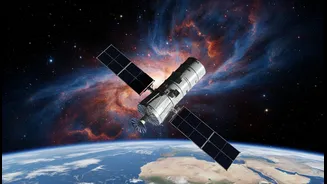
Our ability to see these distant, faint objects in such glorious detail is a modern marvel. Telescopes both on the ground and in space, like the Hubble Space Telescope and the James Webb Space Telescope, have revolutionized our view of the universe. They can capture wavelengths of light far beyond what the human eye can perceive, including the crucial hydrogen-alpha emission. Amateur astrophotographers also play a huge role, using specialized filters to isolate these specific wavelengths of red light, cutting through light pollution to reveal the faint, intricate structures of these cosmic clouds. These tools allow scientists and enthusiasts alike to peel back the veil of darkness and witness the fiery birth of stars, bringing the awesome beauty of these crimson nurseries to audiences here on Earth.