




UPI: Your Domestic Travel Champion
Within India, the Unified Payments Interface (UPI) is the undisputed king of payments. Its meteoric rise is built on simplicity and zero-cost transactions. From street food vendors and auto-rickshaws to high-end boutiques and flight bookings, a QR code
is never far away. For domestic travel, UPI is almost always the superior choice. It's instantaneous, accepted nearly everywhere, and since the money is debited directly from your bank account, it's a great way to manage your travel budget in real-time. There are no surprise fees or interest charges to worry about. Most airline and hotel booking platforms in India now prioritise UPI, often excluding the 1-2.5% processing fee that is commonly applied to card payments. This makes UPI the cheapest way to pay for big-ticket domestic travel expenses.
Credit Cards: The Global Traveller's Power Tool
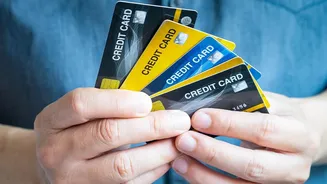
When you step outside India, the credit card remains your most reliable financial companion. Its primary strength is near-universal acceptance. Whether you're dining in Paris, shopping in Dubai, or booking a hotel in New York, Visa and Mastercard networks are globally established. Beyond acceptance, premium travel credit cards come packed with benefits that UPI does not offer. These can include complimentary access to airport lounges, travel insurance covering trip cancellations or medical emergencies, and robust fraud protection. Using a credit card for large purchases like international flights and hotel stays is also a smart move. It provides a clear paper trail, dispute resolution mechanisms, and often, bonus reward points or air miles that can be redeemed for future travel.
The New Frontier: UPI Goes International
The convenience of UPI is no longer confined to India's borders. NPCI International Payments Ltd (NIPL) has been actively partnering with other countries, and as of 2026, Indian travellers can use UPI in several nations, including Singapore, the UAE, France, Nepal, Bhutan, Mauritius, and Greece. The experience is seamless: you scan a local QR code, and the amount is debited from your Indian bank account in rupees after conversion. However, acceptance is not yet universal and is often limited to tourist-heavy areas. While the UPI app itself doesn't charge a fee, your bank will apply a foreign exchange markup, typically between 1.5% and 3.5%, which is often lower than the markup on many credit cards. It's an excellent option for smaller, everyday expenses abroad where it's accepted, but it's not ready to replace your credit card entirely.
Decoding the Fees: Where You Save and Spend
Understanding the cost is key to travelling smarter. For domestic travel, UPI is almost always free. Credit cards are also free at the point of use but can incur processing fees on travel booking websites. Internationally, the comparison is more complex. Most Indian credit cards charge a foreign currency transaction fee (forex markup) of 1% to 3.5% on every purchase, plus GST. International UPI payments also have a forex markup applied by your bank, but it's often more competitive. However, credit cards can sometimes be the cheaper option if you own a premium card with zero or low forex markup fees—a feature designed specifically for frequent travellers. The best strategy is to know the forex fee on your specific credit card and compare it to your bank's likely UPI charge.
The Smart Strategy: A Hybrid Approach
The debate isn't about UPI vs. credit card; it's about UPI and credit card. The savvy traveller leverages the strengths of both. Use UPI for all your domestic travel needs, from booking flights to buying coconut water on the beach. It's simple, free, and universally accepted within India. When travelling abroad to a country where UPI is supported, use it for smaller merchant payments to take advantage of potentially lower forex charges. For all other international spending—and for large, critical purchases like flights and hotels—stick with your credit card. Its global acceptance, security features, and valuable perks like lounge access and travel insurance are indispensable. Always carry a credit card as a reliable backup, even if you plan to use UPI extensively.