


The Science of Building Flavour
Cooking is a process of transformation, and flavour isn't just an ingredient—it's something you build. Layering seasoning is a technique used by chefs to create complex, harmonious dishes. When you season at different stages, you're not just making the
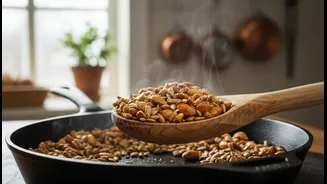
food saltier; you're fundamentally changing its chemistry and taste profile. Early additions of salt can penetrate deep into proteins and vegetables, seasoning them from within. Spices added to hot oil at the beginning—a technique familiar in Indian cooking as 'tadka' or tempering—release their fat-soluble aromatic compounds, creating a flavour base that infuses the entire dish. Waiting until the end to add seasoning means you’re only flavouring the surface, often leading to a dish where the gravy is salty but the vegetables or meat inside are bland.
A Three-Act Play: Beginning, Middle, and End
Think of seasoning as a story told in three parts. The beginning, middle, and end each require a different approach.
Act 1: The Foundation (Beginning)
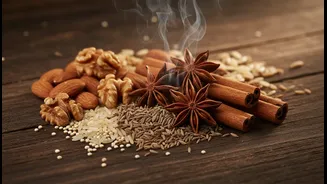
This is where you build your base. For meats, this could be a marinade or a dry brine with salt and spices hours before cooking. This allows the salt to not only season the meat deeply but also helps it retain moisture. When starting a curry or stew, this is the time to bloom your whole and ground spices in hot oil or ghee to unlock their essential oils. Sautéing aromatics like onions, ginger, and garlic with a pinch of salt also falls in this stage. The salt helps draw out moisture, allowing them to soften and sweeten rather than just burn, creating a rich foundation.
Act 2: The Development (Middle)
As you add liquids like water, stock, or coconut milk and the dish begins to simmer, the flavours start to mingle and develop. This is the time for tasting and making adjustments. As the liquid reduces, the flavours will concentrate, so it's crucial to season with a light hand. This is also when you might add hardier dried herbs like bay leaves or kasuri methi, which need time to soften and release their flavour. Constantly tasting as you go is non-negotiable; it's the only way to know how the flavours are evolving and what the dish needs next.
Act 3: The Finish (End)
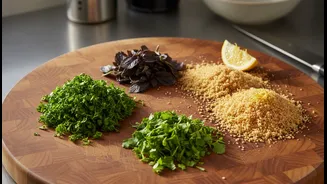
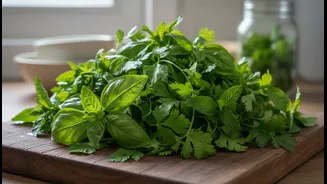
This is your final flourish. Just before serving, a last taste will tell you what the dish needs to truly sing. This is the moment for delicate, fresh herbs like coriander or mint, whose vibrant flavours are destroyed by prolonged heat. A squeeze of lemon or a dash of amchoor (dry mango powder) can add a bright, acidic lift that cuts through richness. This is also the perfect time to add finishing spices like garam masala, which provides a final burst of aroma and warmth without becoming bitter from over-cooking.
Putting It Into Practice
Let's apply this to a simple dal fry. The first layer is the 'tadka'—blooming mustard seeds, cumin seeds, and asafoetida in ghee. The second layer comes when you add onions and tomatoes, seasoning them with turmeric, chilli powder, and a pinch of salt to help them break down. As you add the boiled lentils and water, you add salt to season the entire dish, tasting as it simmers. The final layer is the finishing touch: a sprinkle of fresh coriander and a squeeze of lemon juice just before serving. Each step adds a different dimension of flavour, resulting in a dal that is complex and satisfying, not just salty.
For something like roasted vegetables, the principle is the same. Toss the vegetables in oil, salt, and spices before they go into the oven. The salt will draw out moisture, helping them caramelise and brown beautifully. Once they are roasted and tender, a final drizzle of balsamic vinegar or a scatter of fresh parsley adds a bright, contrasting note that elevates the entire dish.
The Most Common Mistake to Avoid
The single biggest error in seasoning is under-seasoning or trying to fix it all at once at the end. When a dish tastes bland, our first instinct is to dump more salt into it. But often, the problem isn't just a lack of salt, but a lack of depth. A dish that has been layered with flavour might need a touch of acid for brightness or a pinch of sugar to balance other elements, not just more salt. By tasting throughout the cooking process, you become an active participant in creating flavour, able to make intelligent adjustments. You move from simply following a recipe to understanding how to make food taste truly delicious.