

From Global Gyms to Local Roots
The modern Indian fitness scene has long been a mirror to the West, with CrossFit boxes, Zumba classes, and high-intensity interval training (HIIT) becoming standard. While these workouts deliver results, a growing number of young Indians are beginning
to feel a sense of disconnection. For Gen Z, a generation highly attuned to authenticity and cultural identity, the search for wellness is becoming less about subscribing to a globalised ideal and more about discovering practices that resonate on a deeper level. This has sparked a quiet but powerful revival of India’s own rich fitness traditions. It’s a move away from purely aesthetic goals towards a more holistic vision of health that encompasses physical strength, mental peace, and a tangible link to their heritage.
The Martial Art of the Moment: Kalaripayattu
At the forefront of this movement is Kalaripayattu, an ancient martial art from Kerala often called the 'mother of all martial arts'. Believed to be over 3,000 years old, it combines strikes, kicks, weaponry, and fluid, animal-inspired movements. Once banned by the British, Kalaripayattu is experiencing a significant resurgence, drawing in young people attracted to its combination of physical discipline and spiritual depth. For many Gen Z practitioners, it offers more than just self-defence; it builds immense focus, flexibility, and a sense of self-worth. Its visually stunning and dynamic nature also makes it highly shareable on social media, where videos of practitioners wielding swords or executing graceful, powerful forms are helping to introduce the art to a new generation.
Reaching New Heights with Mallakhamb
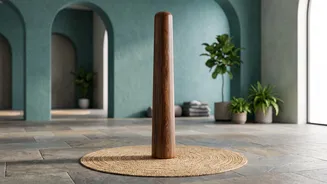
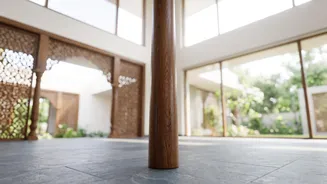
Another tradition capturing the imagination of young fitness enthusiasts is Mallakhamb. This traditional sport, which originated in Maharashtra as a training form for wrestlers, involves performing gymnastic and yoga-like postures on a vertical wooden pole or rope. Mallakhamb is a formidable test of strength, agility, and balance, building incredible core power and full-body coordination. Once confined to traditional 'akhadas', it's now being promoted in schools and gaining international recognition. For a generation seeking workouts that are both challenging and expressive, Mallakhamb offers a unique blend of athleticism and artistry, with young athletes helping to popularise the sport and showcase its cultural significance.
The Strength of the Akhada
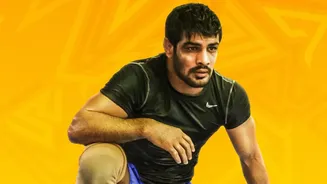
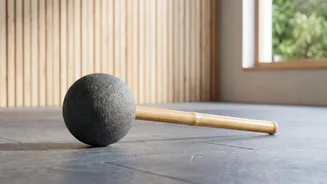
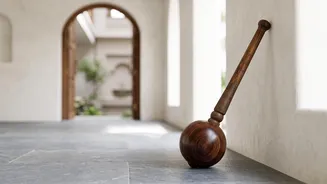
While modern gyms are widespread, the traditional Indian gymnasium, or 'akhada', is also finding renewed relevance. These spaces, traditionally associated with wrestlers (pehalwans), focus on functional strength developed through bodyweight exercises, wrestling, and training with equipment like the Gada (mace). Gada training, which involves swinging a heavy mace, has seen a surge in popularity for its ability to build powerful rotational strength often neglected in conventional workouts. For some young people, the akhada offers an alternative to the commercialised gym environment—a place rooted in discipline, community, and a philosophy where strength is built holistically. The revival of interest in tools like the Gada, popularised by legendary wrestlers like The Great Gama, connects modern practitioners to a lineage of Indian strength culture.
Why This, Why Now?
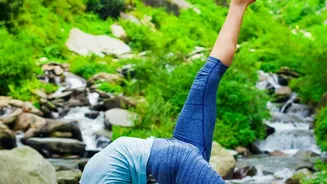
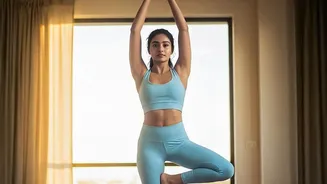
Several factors are driving this turn towards tradition. The post-pandemic era has intensified the focus on holistic wellness, where mental and spiritual health are as important as physical fitness. Traditional Indian practices, with their inherent mind-body connection, are perfectly aligned with this new consciousness. Furthermore, in a digitally connected world, Gen Z is using social media and online resources to discover and learn about these practices, making them more accessible than ever before. This trend is not about rejecting modernity, but about integrating it. Many young Indians are creating hybrid routines, pairing a morning of yoga or Kalaripayattu with an evening gym session. Ultimately, it reflects a broader cultural shift—a generation confident enough to look to its own roots to define what it means to be strong, fit, and well in the 21st century.