



An Unlikely Modern Pilgrimage
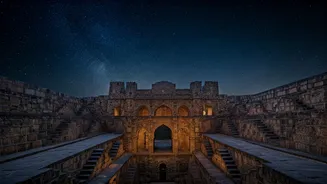
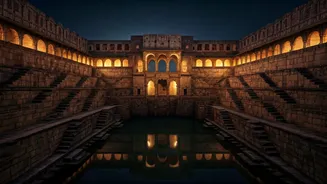
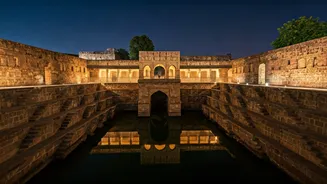
Imagine a group of people, armed not with guidebooks but with tripods, DSLRs, and torches, gathering at the edge of an ancient stepwell long after the sun has set. This is the scene unfolding across India, from the intricate geometry of Gujarat's vavs
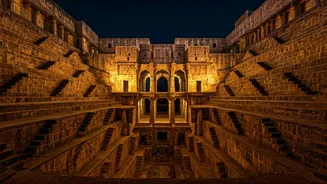
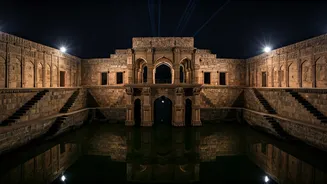
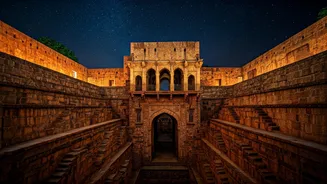
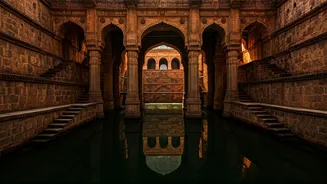
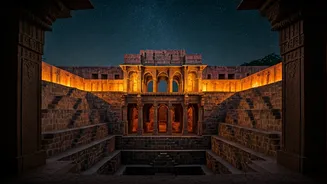
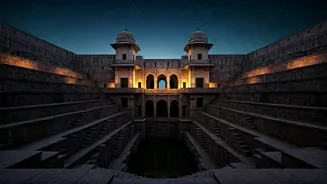
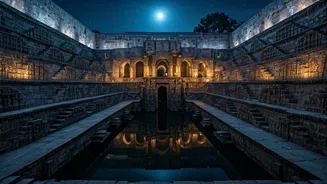
to the staggering depths of Rajasthan's baoris. What was once a purely utilitarian structure for accessing groundwater has become the canvas for a new artistic movement. These are 'photo crawls' or 'light painting workshops', where enthusiasts and professionals alike come together to capture these architectural marvels in a way they were never meant to be seen: bathed in the surreal glow of manipulated light under a midnight sky.
The Magic of Long Exposure
The technique at the heart of this trend is long-exposure photography. By leaving the camera's shutter open for an extended period—from thirty seconds to several minutes—photographers can capture more light than the human eye can perceive. In the pitch-black environment of a stepwell, this technique achieves two things. First, it allows the faint light of the stars to register, often creating mesmerising star trails that swirl above the structure. Second, it gives photographers time to become artists, using torches, coloured gels, and even steel wool set alight to 'paint' specific sections of the well. A beam of light traced along a staircase or a burst of orange sparks in the centre of the well transforms the photograph from a simple document into a dramatic, otherworldly interpretation.
A New Lens on Ancient Geometry
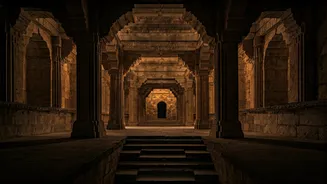
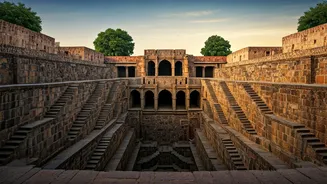
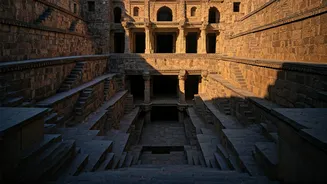
Daylight reveals a stepwell's function and its weathered history. But night photography, paradoxically, reveals its soul. The precise, repeating patterns of the steps, which can seem overwhelming in the harsh light of day, become stark, graphic elements in a long-exposure shot. The darkness hides imperfections and modern distractions, forcing the viewer to focus on the pure architectural genius. Photographers meticulously light-paint individual niches, pillars, and archways, highlighting the incredible craftsmanship that went into these subterranean structures. This selective illumination gives the stepwells a three-dimensional, theatrical quality that a daytime snapshot could never achieve. It's less about documenting what's there and more about interpreting the architect's vision through a modern lens.
From Adalaj to Chand Baori
Certain stepwells have become icons of this movement. The Adalaj ni Vav near Ahmedabad, with its ornate carvings and five stories of octagonal landings, provides endless opportunities for creative lighting. Photographers can be seen carefully illuminating a single carved panel or tracing the outline of a balcony with a torch. In Rajasthan, the colossal Chand Baori in Abhaneri presents a different kind of challenge and reward. Its 3,500 symmetrical steps plunging 13 stories deep create a dizzying, hypnotic pattern. At night, photographers use the immense scale to their advantage, creating images that emphasise its terrifying and beautiful descent into the earth. Each stepwell offers a unique personality, and these photo crawls are helping to create a new, visual catalogue of their distinct characters.
More Than Just a Pretty Picture
This trend is about more than just creating stunning images for Instagram. It represents a profound re-engagement with our heritage. For many young photographers, it's their first meaningful interaction with these historical sites. The process is collaborative and community-driven, with experienced photographers sharing techniques and everyone working together to light a massive structure. This activity fosters a sense of ownership and pride. By showcasing these forgotten or overlooked marvels in such a dynamic way, these artists are also becoming inadvertent conservation advocates. Their work draws new attention to the sites, highlighting their beauty and importance, and reminding us that our history is not just a static relic, but a living canvas for future creativity.