




The Dark Side of Diesel
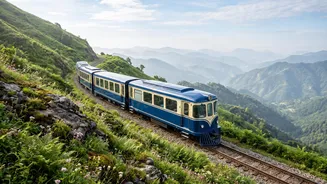
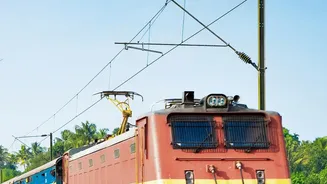
For decades, diesel locomotives have powered the famous 'toy trains' on heritage routes like the Kalka-Shimla and Darjeeling Himalayan Railways. While integral to the experience, these engines release harmful emissions, including particulate matter, sulphur,
and nitrogen oxides. In the fragile, high-altitude ecosystems of the Himalayas, this pollution poses a significant threat. It contributes to soil acidification, damages vegetation, and mars the pristine air quality that is a key attraction for visitors. The noise and vibrations from old diesel engines also disturb local wildlife. Moreover, electrifying these narrow-gauge lines with overhead cables is often impractical and would compromise their UNESCO World Heritage status.
Enter the Hydrogen Solution
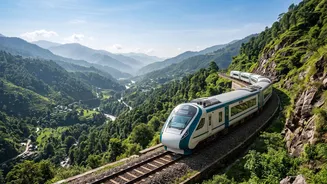
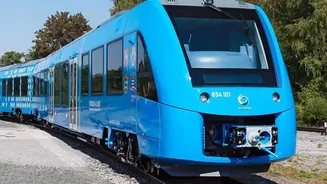
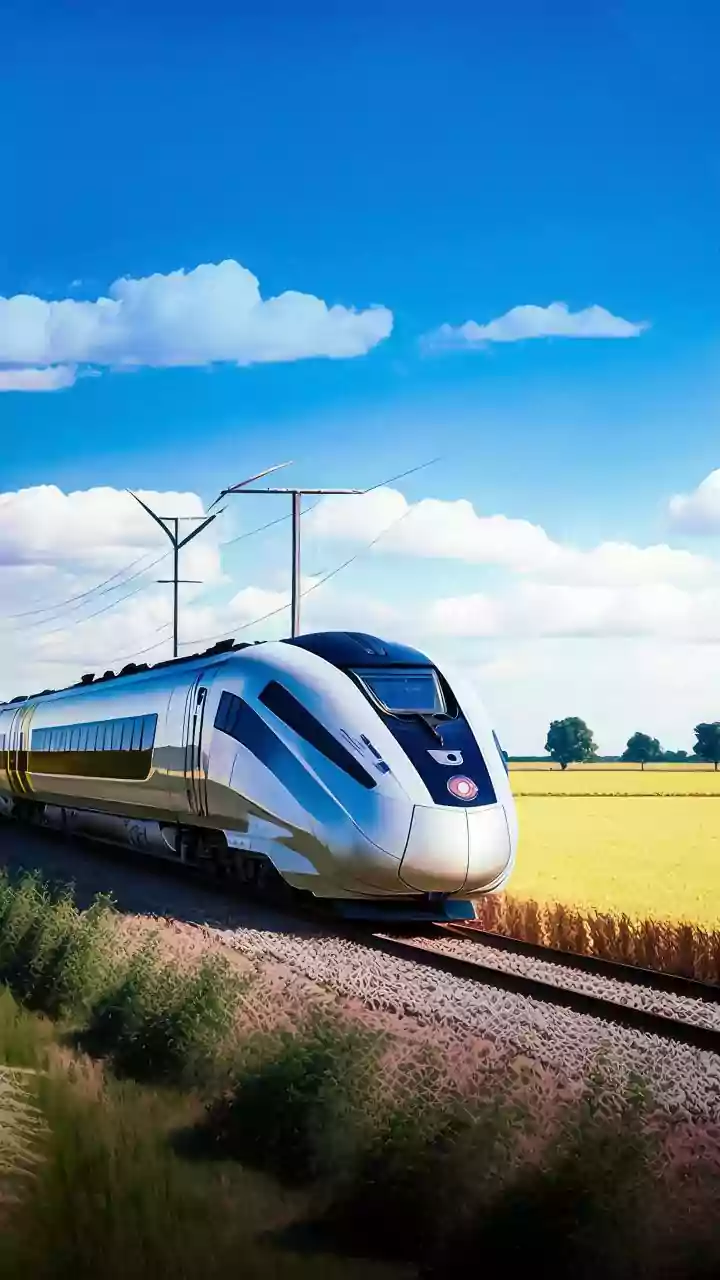
The answer lies in hydrogen fuel cell technology. A hydrogen train is essentially an electric train that generates its own power onboard. It works by combining stored hydrogen with oxygen from the air in a fuel cell. This electrochemical reaction produces electricity to power the motors, with the only byproduct being clean, drinkable water. There are no greenhouse gases, no soot, and no harmful pollutants released into the atmosphere, making it a true zero-emission solution at the point of use. This technology offers the clean, quiet operation of an electric train without the need for expensive and intrusive overhead lines.
India's 'Hydrogen for Heritage' Plan
Recognising this potential, Indian Railways has launched the ambitious 'Hydrogen for Heritage' initiative. The plan aims to roll out 35 hydrogen-powered trains across the country's most scenic and ecologically sensitive routes. In July 2026, India marked a major milestone by launching its first indigenous hydrogen train on a pilot section in Haryana, demonstrating the technology's feasibility. The experience gained from this pilot is now being leveraged for deployment on heritage lines like the Kalka-Shimla, Darjeeling Himalayan, Nilgiri Mountain, and Matheran Hill Railways. This move is a core part of Indian Railways' larger goal to achieve Net Zero carbon emissions by 2030.
A Breath of Fresh Air for the Himalayas
By replacing aging diesel fleets, these new hydrogen trains will bring immediate and tangible benefits to the delicate ecosystems surrounding the rail lines. The elimination of diesel exhaust will halt the deposition of harmful pollutants on soil and plants, preserving local biodiversity. The near-silent operation of fuel cell trains, compared to the clatter of diesel engines, will reduce stress on wildlife, allowing them to thrive undisturbed. For tourists and residents, it means a cleaner, healthier, and more pleasant experience, with unpolluted vistas and the quiet hum of progress. The trains will not only protect the natural beauty of these UNESCO sites but will enhance the very reason people visit them.
The Road Ahead
The transition is not without its challenges. The initial costs of hydrogen trains and the supporting infrastructure for producing and storing 'green' hydrogen are high. However, Indian Railways views this as a long-term investment in sustainability. As the technology scales up, costs are expected to decrease. The 'Hydrogen for Heritage' project is more than just a technological upgrade; it's a powerful statement. It showcases how modern innovation can be used to preserve, rather than replace, history. By pioneering this technology on its most cherished routes, India is setting a global example for sustainable tourism and green transportation, ensuring that future generations can enjoy these historic journeys through unspoiled natural splendor.