


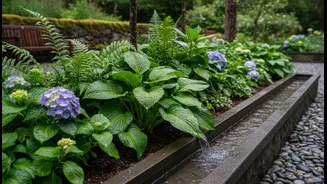



Start with Superior Drainage
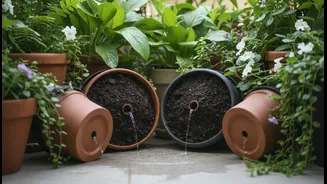
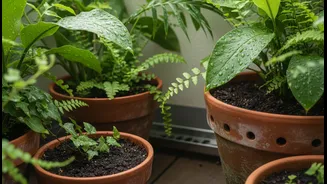
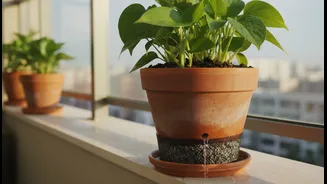
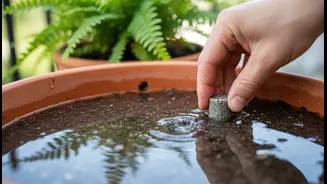
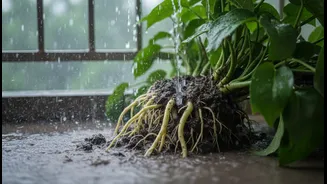
The single biggest killer of potted plants during the monsoon is waterlogged soil, which leads to root rot. Before the heavy rains begin, your first job is to become a drainage expert. Check every pot to ensure its drainage holes are clear and unobstructed.
If a pot has only one small hole, consider adding more. Elevating pots on stands or even simple bricks can make a huge difference, allowing excess water to escape freely instead of creating a stagnant pool at the base. This simple step prevents roots from suffocating and developing fungal diseases.
Rethink Your Soil Mix
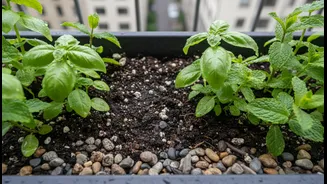
Heavy, clay-rich garden soil is a nightmare for balcony pots in the rainy season. It compacts easily, retains too much water, and reduces oxygen flow to the roots. The ideal potting mix for monsoon is light and porous. A good DIY formula involves equal parts garden soil, coco peat, and coarse sand or perlite. This creates a medium that holds enough moisture for the plant but allows the constant excess from rainfall to drain away quickly. If you're repotting, now is the perfect time to switch to a well-draining mix; it acts as a crucial buffer against overwatering.
Adjust Your Watering Habits
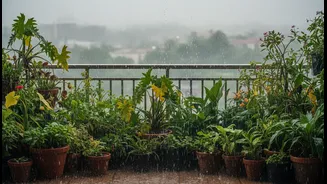
It seems counterintuitive, but you must not completely stop watering. While plants exposed to direct rain might not need any extra, those placed under a deep roof or in a covered corner of the balcony can still dry out. The golden rule of monsoon watering is to abandon your summer schedule. Always check the soil first. Poke your finger about an inch or two deep; if the soil feels dry, then it's time to water. If it's still damp from the humid air or a previous shower, leave it alone. Overwatering is the most common mistake gardeners make this season.
Know When to Move Your Pots
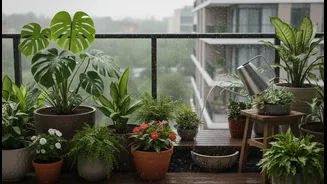
Not all plants enjoy a constant shower. While tropicals like ferns, colocasia, and jasmine will thrive in the high humidity and rain, others are susceptible to rot. Water-storing plants like succulents, cacti, and jade should be moved to a sheltered spot where they are protected from direct downpours. Grouping certain plants together can offer some protection, but ensure there is still enough space between them for air to circulate. Poor air circulation combined with wet leaves is an open invitation for fungal diseases like powdery mildew.
Prevent Pests and Fungal Attacks
The warm, wet conditions of the monsoon are a breeding ground for pests and fungi. Root rot, leaf spot, and powdery mildew are common culprits. Prevention is your best strategy. Regularly inspect your plants for any signs of trouble, such as yellowing leaves, dark spots, or mushy stems. Pruning dead or infected leaves immediately helps stop the spread. A preventive spray of neem oil solution (a few drops mixed with water and a little liquid soap) every 10-15 days can work wonders as a natural fungicide and pest repellent.
Prune for Better Airflow
A pre-monsoon trim is highly beneficial. Pruning overgrown branches and dense foliage does more than just shape your plant; it significantly improves air circulation around the stems and leaves. This helps foliage dry faster after a shower, drastically reducing the risk of fungal growth that thrives on damp surfaces. It also encourages healthier, more robust growth during a season when plants are naturally inclined to grow quickly. Don't be afraid to trim back leggy stems to create a more open structure.