







The Rise of the ‘Pawrent’ Mindset
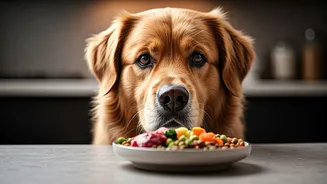
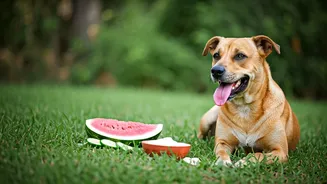
Across India, a significant cultural shift is underway. More than half of pet owners now consider their pets to be family members, a trend known as 'pet humanisation'. This emotional bond has transformed pet care from basic maintenance into a pursuit
of wellness and happiness. As 'pawrents' become more invested in their pets' long-term health, they are scrutinising everything from toys to treats, and especially the main event: daily meals. This has paved the way for a deeper look into the nutritional choices available, moving beyond tradition and convenience to focus on quality and what's truly best for the animal.
What’s Really in That Bag of Kibble?
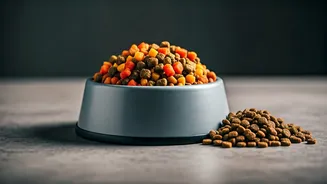
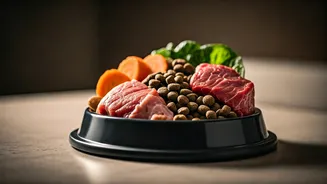
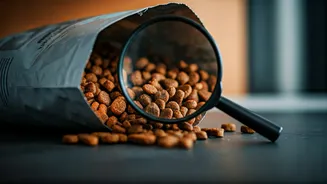
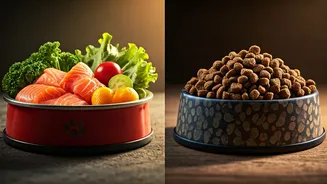
Mass-market kibble has long been the default choice for its convenience and long shelf life. However, its benefits often come with trade-offs. Kibble is made through a high-heat extrusion process that can strip ingredients of their natural nutrients, requiring synthetic vitamins and minerals to be added back in. Many brands also rely on inexpensive fillers like corn, wheat, and soy, which can be problematic for dogs with sensitivities. Vague terms like “meat by-products” or “animal digest” on ingredient lists lack transparency, leaving owners unsure of what they are actually feeding their pets. Furthermore, the low moisture content in kibble can contribute to chronic mild dehydration, putting a strain on kidney function over time, a particular concern in India’s hot climate.
The Fresh Food Philosophy: Tailored Nutrition
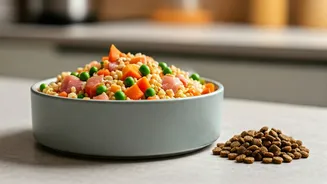
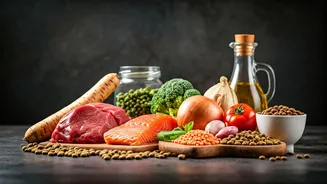
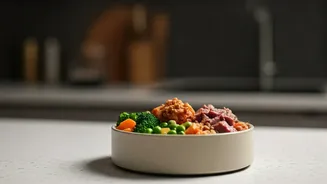
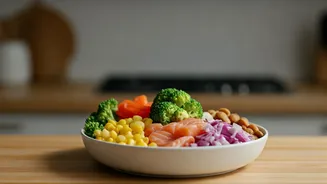
Custom dog meals operate on a completely different philosophy. They are typically made from fresh, human-grade ingredients like real meats and vegetables that are gently cooked to preserve their natural nutritional value. This minimal processing means dogs get more bioavailable vitamins and antioxidants directly from the food. The core appeal of customisation is that meals can be tailored to a dog's specific needs, including age, breed, weight, and any health issues like allergies or digestive sensitivities. This ingredient transparency allows owners to see exactly what is in their dog's bowl—real, recognisable food.
Beyond the Bowl: Tangible Health Benefits
Pet owners who switch to fresh, customised diets often report visible improvements in their dog's health. Because fresh food is more digestible than processed kibble, the body can absorb more nutrients, often resulting in smaller, firmer stools. Many also notice benefits like a shinier coat, healthier skin, and increased energy levels. For picky eaters, the high palatability of fresh food can reignite their interest in mealtime. The high moisture content naturally supports hydration and kidney health, which is a significant advantage over dry food.
Addressing Common Indian Canine Concerns
A tailored diet can be particularly effective in managing health issues prevalent among dogs in India. Skin allergies and chronic itching, often triggered by common kibble ingredients like chicken or wheat, can sometimes be managed by switching to a limited-ingredient fresh diet. Obesity, another growing problem in urban Indian pets, can be better controlled with pre-portioned fresh meals that are less calorie-dense and free from high-carbohydrate fillers that contribute to weight gain.
Weighing the Cost and Convenience
There’s no denying that mass-market kibble wins on two major fronts: cost and convenience. It is more affordable and easier to store and serve, making it a practical choice for many busy households. Custom fresh food requires refrigeration or freezer space and is a premium option. However, many pet parents who make the switch view it as an investment in their dog's long-term health, potentially offsetting future veterinary bills for diet-related issues. Some also find a middle ground by mixing kibble with fresh food to balance cost and nutrition.