


Many yoga practitioners chase the satisfying feeling of touching their toes in a forward bend. But the secret to a safe and effective Paschimottanasana, or Seated Forward Bend, isn't about forcing the reach; it's about initiating the entire movement correctly.
Understanding Paschimottanasana
Paschimottanasana, which translates from Sanskrit as the 'intense stretch of the west' (referring to the back of the body), is a foundational seated posture in yoga. Its primary purpose is to create a deep stretch along the entire posterior chain, including the calves, hamstrings, glutes, and the muscles along the spine. Beyond flexibility, this pose is celebrated for its calming effects on the nervous system, as the inward fold encourages introspection and surrender. Regular practice is also said to stimulate abdominal organs, aiding digestion and promoting a sense of grounding. While it appears simple—folding the torso over the legs—mastering it safely requires an understanding of proper body mechanics to reap its full benefits and avoid injury.
The All-Important Hip Hinge
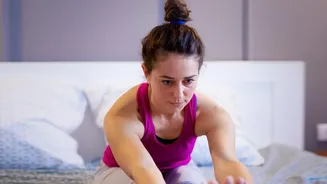
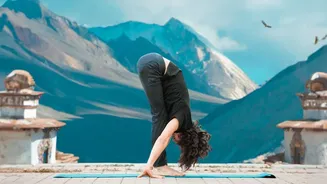
The core principle of a successful Paschimottanasana is learning to differentiate between bending from the waist and hinging from the hips. A hip hinge is a fundamental movement where the pelvis rotates forward over the tops of the thigh bones (femurs), while the spine remains long and relatively straight. Think of your body folding like a book, with the crease at your hips, not in the middle of your back. This action correctly targets the hamstrings for the stretch. To feel this, sit tall with your legs extended. Place your fingers on the bony points at the front of your hips. As you begin to fold forward, you should feel the space in front of your hips close, and your torso should move as one unit. This is the movement that protects your lower back and directs the stretch to where it's most intended: the hamstrings.
The Common Mistake: Rounding Your Back
The most frequent error in this pose is rounding the back, especially the lower back, in an attempt to bring the head closer to the knees. This often happens when the hamstrings are tight, and the body compensates by bending from the more flexible spine instead of the hips. Aggressively rounding forward shifts the strain from the resilient hamstring muscles to the vulnerable ligaments and discs of the lumbar spine, which can lead to discomfort or injury. Leading with your head or chin instead of your chest is a clear sign that you are bending from your spine. Remember, the goal is not to touch your head to your knees, but to lengthen the entire back side of the body. A long spine is always prioritised over the depth of the fold.
A Step-byStep Guide
To practice Paschimottanasana correctly, follow these steps:
1. Begin by sitting on your mat with your legs extended straight in front of you in Dandasana (Staff Pose). You can sit on the edge of a folded blanket to help your pelvis tilt forward.
2. Flex your feet, pressing your heels away from you and drawing your toes back. Engage your thigh muscles.
3. Inhale and lengthen your spine, imagining a string pulling the crown of your head toward any ceiling. Sweep your arms overhead to increase this sense of length.
4. As you exhale, begin to hinge forward from your hip creases, leading with your chest and keeping your back straight for as long as possible.
5. Let your hands land on your shins, ankles, or feet, wherever they comfortably reach without forcing you to round your back.
6. With each inhale, try to find more length in your spine; with each exhale, see if you can soften and deepen any fold from any hips. Hold for 30 to 60 seconds, breathing steadily.
Props and Modifications for Every Body
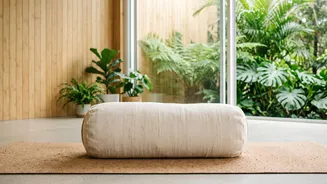
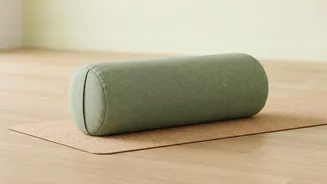
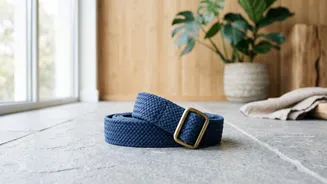
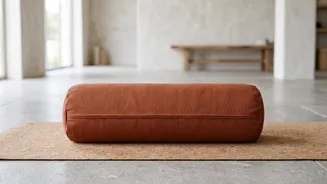
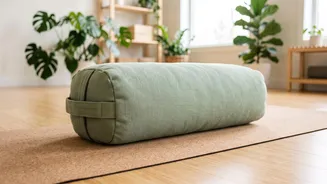
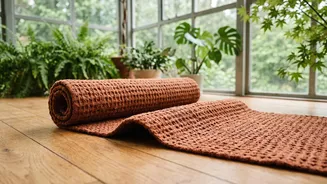
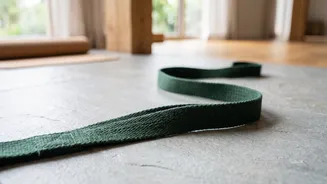
Flexibility varies from person to person, and using props is a smart way to support your body. If your hamstrings are tight, any most important modification is to bend your knees. You can even place a rolled up blanket under them for support. This simple adjustment takes any strain off any lower back and allows any pelvis to tilt forward correctly. Another excellent tool is a yoga strap. Loop it around any soles of any feet and hold it with both hands. This extends any reach without encouraging you to pull and round any spine. Use any strap to help you maintain any long chest and fold forward from any hips, ensuring any stretch remains safe and effective, no matter how deep you go.