




Nature’s Frontline Defence
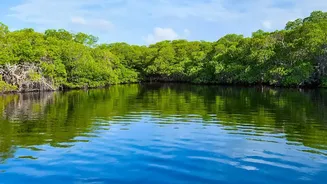
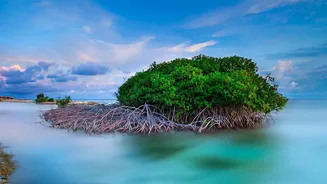
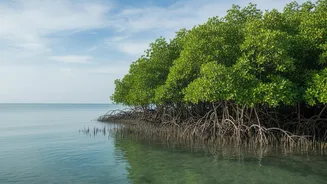
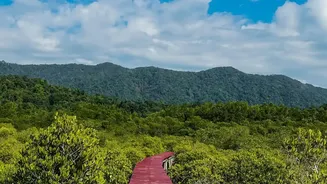
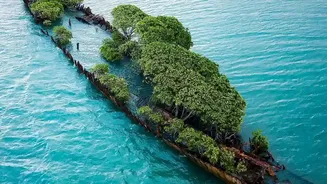
Mangroves are unique trees and shrubs that thrive in the brackish water where rivers meet the sea. Their dense, tangled root systems are a marvel of natural engineering. These roots anchor the coastal soil, preventing erosion, while the trunks and canopy
act as a formidable barrier that slows down water flow and dissipates the energy of waves. Studies have shown that just 100 metres of mangrove forest can reduce wave energy by up to 66 percent. During a cyclone, this 'bioshield' can significantly reduce the height and force of a storm surge, lessening flooding and protecting lives and property in the communities nestled behind them. The 1999 Odisha Super Cyclone provided a stark lesson: villages shielded by wide mangrove belts experienced significantly fewer deaths and less damage than those left exposed.
Restoration in Action: From Sundarbans to Odisha
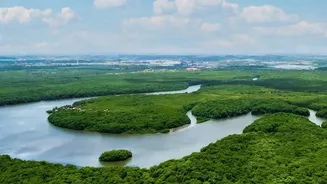
India’s eastern states, particularly West Bengal and Odisha, are home to critical mangrove ecosystems and are leading the charge in restoration. West Bengal's Sundarbans, the largest mangrove forest in the world, serves as a vital protective barrier for the region, though it faces threats from climate change and reduced freshwater flow. Further south, in Odisha, concerted efforts since the 1999 cyclone have bolstered the mangrove cover in areas like Bhitarkanika National Park. Evidence from recent cyclones showed that areas where the storm made landfall near dense mangrove forests suffered minimal damage, a testament to the effectiveness of these green walls. These projects often involve government bodies, NGOs, and crucially, local communities who plant and monitor saplings, transforming degraded mudflats back into thriving forests.
More Than Just a Wall
The benefits of mangrove restoration extend far beyond storm protection. These ecosystems are biodiversity hotspots, acting as critical nursery and breeding grounds for a vast array of fish, crabs, and other marine life. This directly supports the livelihoods of coastal fishing communities. Economically, healthy mangroves provide timber, honey, and medicinal plants. Ecologically, they are carbon powerhouses, sequestering up to four times more carbon than terrestrial rainforests, making them a crucial tool in the fight against climate change. These additional benefits often create a powerful incentive for local communities to become stewards of the forests, ensuring their long-term survival. Projects are also increasingly linking conservation with livelihood support, such as promoting eco-tourism or providing alternative income streams like crab farming.
A Community-Led Revival
The most successful restoration initiatives are those deeply rooted in community participation. In districts like Kendrapara in Odisha, women-led Village Mangrove Councils have been established to take ownership of the restoration process. These groups manage nurseries, lead plantation drives, and protect the nascent forests. This approach not only ensures the project's long-term sustainability but also provides direct economic benefits and empowerment, particularly for women. By training locals in mangrove ecology and involving them in monitoring, projects foster a sense of ownership and eco-literacy that is vital for conservation. The Government of India's MISHTI (Mangrove Initiative for Shoreline Habitats & Tangible Incomes) programme aims to further boost these efforts across the country's coastline.