





The Science of a Bad Hair Day
To defeat frizz, you first need to understand your opponent: humidity. Your hair’s structure is incredibly sensitive to moisture in the air. [2, 6] Each strand has an outer layer called the cuticle, which looks like overlapping shingles on a roof. [5]
When hair is healthy and hydrated, these shingles lie flat and smooth. However, dry, damaged, or porous hair is thirsty. [5, 13] When humidity is high, like during the monsoon season, this thirsty hair absorbs excess moisture from the atmosphere. [8, 24] This causes the hair shaft to swell, forcing the cuticles to lift and creating that familiar halo of frizz. [4, 5] The key to control, therefore, is to ensure your hair is so well-hydrated from within that it doesn't need to drink from the humid air, and to seal that cuticle shut. [22, 24]
It Begins With a Moisture-Blocking Wash
The foundation of any anti-frizz strategy is your wash routine. Over-washing can strip your hair of its natural oils, leaving it drier and more susceptible to frizz. [10, 13] Opt for a gentle, sulphate-free shampoo that cleanses without stripping moisture. [28] Look for hydrating ingredients like glycerin, argan oil, or coconut oil. [9, 18, 26] After shampooing, always use a nourishing conditioner, concentrating on the mid-lengths and ends. [29, 30] This step is non-negotiable, as conditioner works to smooth and flatten the hair cuticle. [15] For an extra dose of frizz-fighting power, finish your shower with a cool water rinse to help seal the cuticles even further. [5, 26]
Seal the Cuticle While It's Damp
Once you're out of the shower, be gentle. Rubbing your hair aggressively with a rough cotton towel can rough up the cuticle and create frizz before you've even started styling. [16, 26, 30] Instead, gently squeeze excess water out with a microfibre towel or an old cotton t-shirt. [25, 26] Now, while your hair is still damp, it’s time to apply a leave-in product. This is arguably the most crucial step in creating a barrier against humidity. [13, 14] A leave-in conditioner, smoothing cream, or serum works by coating the hair shaft, locking in the moisture from your wash and preventing airborne moisture from getting in. [22, 23, 29] Look for products containing argan oil, keratin, or quinoa protein to nourish and protect. [3, 12, 26]
Choose Your Styling Sentinels
If you use heat to style your hair, a heat protectant is essential. [15, 21] Many modern formulas also offer anti-humidity benefits, providing another layer of defence. When blow-drying, use a nozzle to direct the airflow down the hair shaft; this helps to keep the cuticles lying flat. [16] Ensuring your hair is 100% dry before you step outside is critical. Any remaining dampness is an open invitation for humidity to enter and create frizz. [14] If you prefer to air-dry, applying a curl cream or anti-frizz styler to damp hair will help define your natural texture while keeping it smooth. [13]
The Final Seal Before You Leave
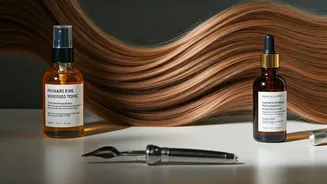
Before you walk out the door, a final finishing product can act as your armour against the elements. A few drops of a lightweight hair oil or a silicone-based serum can be smoothed over the surface of your hair to tame any last-minute flyaways and provide a final, water-repellent seal. [22, 23] An anti-humidity hairspray is another excellent option; these sprays form a weightless shield that blocks moisture without leaving your hair stiff or sticky. [16, 18, 19] This final step ensures that all your previous efforts are locked in, giving your style the best possible chance of surviving the rain and humidity.