






Understanding the Monsoon Gamble
First, it's crucial to understand that Spiti Valley itself lies in a rain-shadow area, receiving minimal rainfall. The real danger lies in the journey to get there. The approach roads, particularly through Kinnaur from Shimla or the route from Manali,
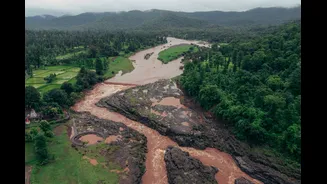
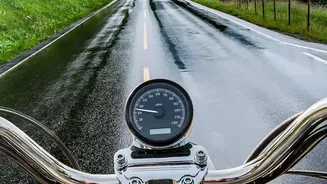
bear the full brunt of the monsoon. This means dealing with incessant rain, which leads to treacherous road conditions, not in Spiti itself, but on the highways leading to it. Expect a ride that tests your skills, patience, and preparation. Official government advisories often urge caution, asking tourists to avoid unnecessary travel during heavy rainfall due to landslides and flash floods. As of early August 2026, heavy rain warnings have been issued for several districts in Himachal Pradesh, making it essential to check real-time updates.
The Route Defines the Risk
There are two primary routes to Spiti: via Shimla and Kinnaur, or via Manali. During monsoon, the Shimla-Kaza highway is generally considered the safer, more reliable option. It offers a more gradual ascent, which helps with acclimatization, and though it sees rain, the road conditions are often more manageable. The Manali-Kaza route, which involves crossing the high-altitude passes of Rohtang and Kunzum, is far more unpredictable. This route is famed for its broken stretches, numerous water crossings (nallas), and boulder-strewn tracks, especially between Gramphu and Losar. These conditions are dramatically worsened by rain, making it suitable only for highly experienced riders and 4x4 vehicles. Road closures can last for hours or even days, so building buffer days into your itinerary is non-negotiable.
Mastering the Hazards: Landslides and Water Crossings
Landslides and shooting stones are a common and deadly risk during the monsoon. Stretches around Sangla, between Reckong Peo and Puh, and near Malling Nallah are particularly notorious. Always be vigilant, watch the slopes above you, and never stop in marked shooting stone areas. Water crossings are another significant challenge. These glacial melts swell into powerful torrents by the afternoon as the sun melts ice and snow. The key is to cross them early in the morning when the water flow is at its lowest. When crossing, stand on the footpegs, maintain a steady throttle in a low gear, and look towards the exit, not down at the water.
Essential Bike and Rider Prep
Your motorcycle needs to be in peak condition. A thorough service is mandatory, paying close attention to brakes, tires, chain-sprocket health, and all electricals to prevent short circuits in the wet. Good-traction, dual-sport tires are highly recommended. For the rider, high-quality, waterproof gear is your first line of defense. This includes an armored jacket, riding pants, over-the-ankle waterproof boots, and waterproof gloves. A dedicated rain suit worn over your gear is more effective than internal rain liners during sustained downpours. Layering your clothing with a thermal base and a fleece mid-layer will help you manage the drastic temperature swings.
Packing for Self-Sufficiency
On these remote highways, you are your own first responder. Your luggage must be completely waterproof; use plastic liners inside your bags and a waterproof cover on the outside. Carry a comprehensive toolkit, a puncture repair kit with a portable air pump, and essential spares like clutch cables, spark plugs, and fuses. A first-aid kit, including medication for Acute Mountain Sickness (AMS) like Diamox (consult a doctor first), is critical. Since mobile networks are non-existent in vast stretches, carrying a power bank and using offline maps is essential. Packing high-energy snacks and extra water is also a wise precaution for unexpected delays.
Health, Acclimatization, and Riding Strategy
The risk of Acute Mountain Sickness (AMS) is significant and can be worsened by the cold and wet conditions. Proper acclimatization is vital. The Shimla route allows for a more gradual ascent. Plan for overnight stops at increasing altitudes, like Kalpa and Nako, before pushing to Kaza. Stay hydrated by drinking 3-4 litres of water daily and avoid alcohol. When riding, your strategy should be conservative. Start early to cover maximum distance in daylight and to tackle water crossings when they are low. Avoid riding at night at all costs. Maintain a safe distance from other vehicles, use engine braking on descents, and be prepared for your average speed to drop drastically on broken sections.