



The Calorie Cost of a Street-Side Habit
From crunchy pakoras to flaky kachoris, traditional Indian street snacks are almost universally deep-fried. This method delivers an unmistakable texture but also means the food acts like a sponge, soaking up oil. For example, a single fried samosa can
pack between 250 to 300 calories, with much of that coming from fat. Similarly, snacks like aloo bonda and bread pakoda are calorie-dense due to their preparation method. While delicious, regular indulgence can contribute to a significant calorie surplus, making it a challenge for those managing their weight or focusing on heart health. The issue isn't the ingredients themselves—potatoes, lentils, and vegetables are wholesome—but the cooking process that turns a simple snack into a heavy meal.
The Kitchen Revolution: Air Frying and Baking
The good news is that modern cooking methods allow you to replicate that satisfying crunch with a fraction of the oil. The air fryer, for instance, has become a game-changer for homemade Indian snacks. It works by circulating hot air at high speed to cook food, making it crispy with minimal oil—often just a light brush or spray is needed. Samosas, pakoras, aloo tikki, and even pani puris can be made in an air fryer, achieving a golden, crunchy exterior without being submerged in fat. Baking is another excellent alternative. Snacks like mathri, chivda, and kachori can be baked in an oven until crisp. While the texture might be slightly different from their deep-fried cousins, the significant reduction in calories and fat makes it a worthwhile trade-off for everyday enjoyment.
Flavour Is More Than Just Fat
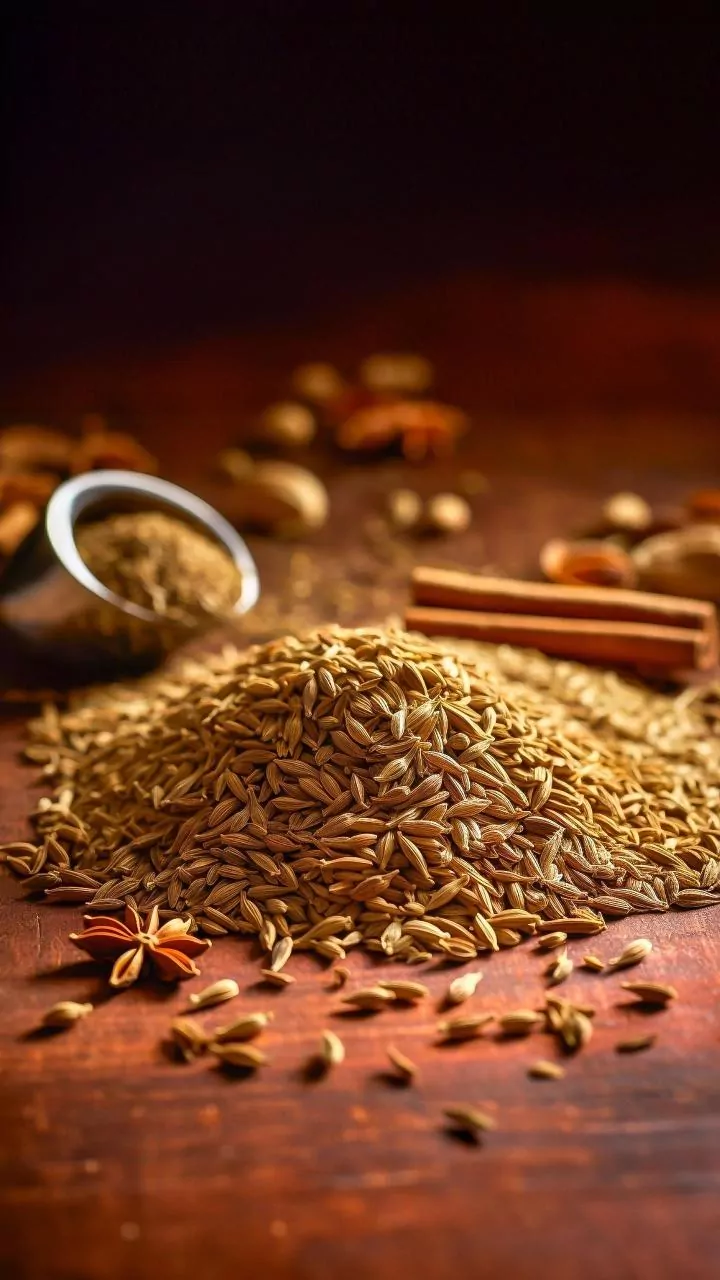
A common fear is that low-oil snacks will taste bland or inauthentic. However, the true soul of Indian street food lies in its complex blend of spices and chutneys, not the oil itself. The tang of tamarind, the freshness of mint-coriander chutney, the heat of green chillies, and the pungent kick of chaat masala are what create the memorable flavour profiles. When you make snacks at home, you have complete control over these elements. You can use fresh, high-quality spices and herbs to elevate the taste. Dry roasting whole spices like cumin and coriander before grinding them can intensify their aroma, adding depth to your dishes without adding fat. Acidity from lemon juice or amchur (dry mango powder) also brightens flavours, tricking the palate into perceiving a richness that isn't dependent on oil.
Smart Swaps for Healthier Chaat
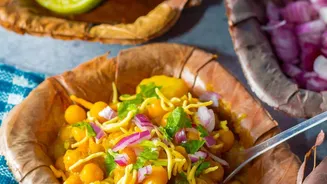
Chaat is a category of street food that is particularly easy to adapt for a healthier lifestyle. Many chaat preparations are naturally low in oil or can be made so with simple tweaks. For instance, a classic bhel puri relies on puffed rice and vegetables, and its flavour comes from chutneys. You can create a sprouts chaat, which is packed with protein and fibre, for a filling and nutritious snack. When making dahi bhalla, instead of deep-frying the lentil dumplings, you can cook them in an appe (paniyaram) pan with just a few drops of oil. For sev puri, you can bake your own papdis or use whole wheat crackers as a base and top them with boiled potato, chickpeas, and fresh chutneys for a snack that is both refreshing and light.