


The Heart of the Paratha: The Pea Filling
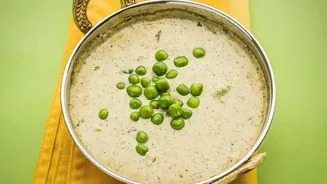
The success of a great pea paratha lies in its stuffing. Whether you use fresh or frozen peas, the goal is a flavourful, coarse mixture that isn't watery. To begin, gently cook the peas until they are tender. You can either boil them for a few minutes
and drain them thoroughly or sauté them in a pan. Once cooked and cooled, the peas should be coarsely ground in a blender or food processor. Avoid making a smooth paste, as a bit of texture is desirable. This coarse mixture is then combined with a blend of aromatic spices. Essential additions include finely chopped green chillies, grated ginger, and fresh coriander leaves. For an extra layer of flavour, many recipes suggest adding cumin seeds, dry mango powder (amchur) for tanginess, and a pinch of asafoetida (hing) to aid digestion. The key is to ensure the final filling is relatively dry to prevent the parathas from tearing during rolling.
Crafting the Perfect Dough
While the filling provides the flavour, the dough provides the structure. A perfect paratha dough should be soft, pliable, and easy to roll. To achieve this, use whole wheat flour (atta) and knead it with lukewarm water. Adding a teaspoon or two of oil or ghee to the flour before kneading helps create a softer, more flexible dough. After kneading for several minutes until it's smooth, it's crucial to let the dough rest. Cover it with a damp cloth and set it aside for at least 20-30 minutes. This resting period allows the gluten to relax, making the dough more elastic and significantly reducing the chances of it tearing when you stuff and roll the parathas.
The Art of Stuffing and Rolling
This is often the trickiest part, but a few simple techniques can ensure success. First, ensure your pea stuffing has cooled down completely to room temperature before you begin. A warm filling can make the dough soggy and cause it to break. Divide the dough and the filling into equal-sized balls. Take a ball of dough, flatten it with your fingers to create a small cup or disc, and place a ball of filling in the centre. Gently bring the edges of the dough together to cover the stuffing completely, pinching the top to seal it shut. Flatten the stuffed ball gently with your palm, dust it with dry flour, and then use a rolling pin to roll it out. Apply gentle, even pressure to avoid the filling from spilling out.
Creative Twists and Variations
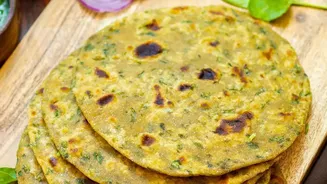
While the classic matar paratha is a star on its own, there are many ways to elevate it. For a richer, creamier texture, add grated paneer (Indian cottage cheese) to the pea mixture. The combination of peas and paneer is a classic, offering a boost of protein and flavour. Another popular variation involves adding a boiled and mashed potato to the filling, which helps bind the mixture and adds a satisfying heartiness. For a different flavour profile, try mixing in finely chopped onions, mint leaves, or spices like garam masala and fennel seed powder. Some cooks even mix the pea puree directly into the dough instead of using it as a stuffing, creating a uniformly green, flavourful flatbread that is quicker to prepare.
Cooking to Golden Perfection
Cooking the paratha correctly is the final step to achieving that irresistible texture. Heat a tawa (flat griddle) over medium heat. Place the rolled paratha on the hot tawa and cook for about a minute, or until you see small bubbles appear and the underside has light brown spots. Flip it over and apply a little ghee or oil to the half-cooked side. Flip it again and apply ghee or oil to the other side, pressing down gently with a spatula to help it cook evenly. Continue to cook, flipping once or twice, until both sides are golden brown and crispy. Cooking on a medium flame ensures the paratha is cooked through without burning.
Serving Suggestions
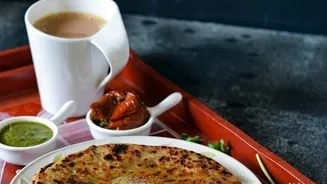
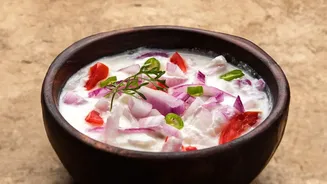
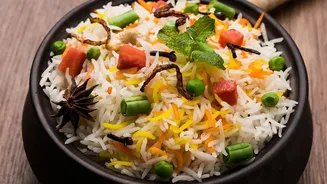
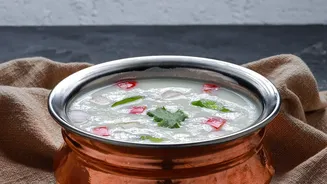
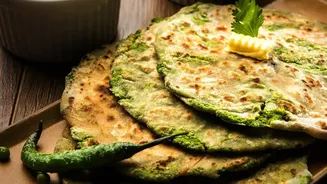
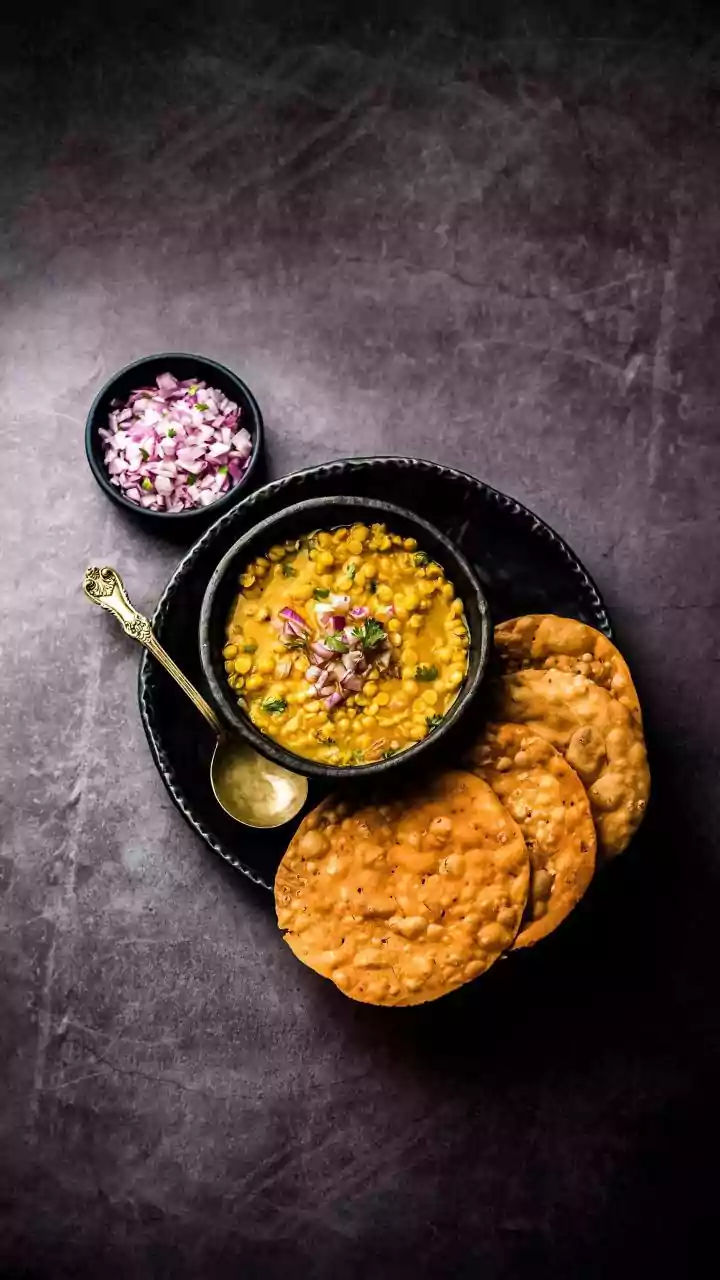
Matar parathas are wonderfully versatile and can be enjoyed for breakfast, lunch, or dinner. The classic way to serve them is hot, straight off the tawa, with a dollop of white butter on top. They pair beautifully with cooling sides that balance the spice of the filling. A bowl of plain yogurt (curd) or a refreshing raita, like cucumber or boondi raita, is a perfect accompaniment. A side of tangy pickle (achar), especially mango or lime pickle, also cuts through the richness and enhances the overall experience. For a more complete meal, you can serve them alongside a simple vegetable curry or dal.