






Why Your Dustbin Matters
Every year, households in India generate an astonishing amount of food waste. According to a UNEP report, this figure is around 50 kg per person annually. When this organic waste ends up in landfills, it decomposes without oxygen, releasing methane—a
greenhouse gas far more potent than carbon dioxide. This contributes significantly to climate change. But what if we saw these scraps not as 'waste,' but as a resource? By simply changing our perspective and our habits, we can divert this waste from landfills, reduce our carbon footprint, and even enrich the soil in our communities.
Step 1: Reduce at the Source
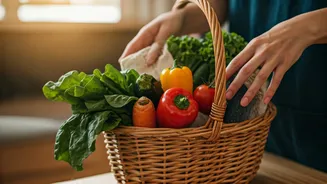
The most effective way to manage waste is to not create it in the first place. This begins at the grocery store. Plan your meals for the week before you shop, and buy only what you need. Be realistic about how much you will cook and consume. At home, proper storage is key. Store leafy greens with a paper towel to absorb excess moisture, keep potatoes and onions in a cool, dark place, and use airtight containers for leftovers. A 'first in, first out' system in your fridge ensures that older items get used before they spoil. Being mindful about consumption is the foundation of a low-waste kitchen.
Step 2: Get Creative with Scraps
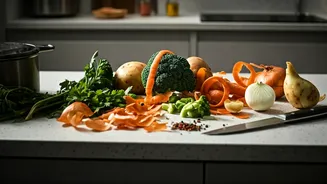
Before you toss those peels and stems, think again. Many parts of vegetables that we typically discard are perfectly edible and nutritious. For example, broccoli stalks can be peeled and roasted alongside the florets. Coriander stems, packed with flavour, can be ground into chutneys. Potato and carrot peels, when washed well, can be crisped in the oven for a healthy snack. You can collect vegetable offcuts like onion skins, carrot tops, and celery ends in a bag in your freezer. Once you have enough, simmer them in water to create a flavourful, homemade vegetable broth. This practice not only reduces waste but also saves you money.
Step 3: The Magic of Composting
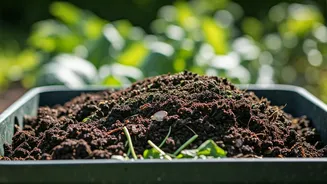
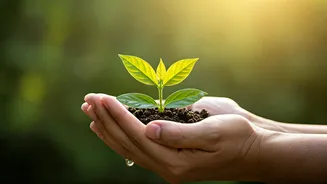
Composting is the natural process of recycling organic matter into a rich, dark soil conditioner known as compost. For urban dwellers in India, space is often a constraint, but several options are available. A simple terracotta pot (like a 'khamba') with multiple tiers is a popular choice for balconies, as it allows for aerobic composting without bad smells. Vermicomposting, which uses earthworms to break down scraps, is another highly efficient and odour-free method for small spaces. For those in housing societies, community composting pits are becoming increasingly common. These initiatives allow residents to pool their kitchen waste, creating a valuable resource for the community's gardens.
What to Compost (and What to Avoid)
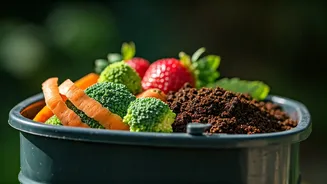
A good compost pile needs a balance of 'greens' and 'browns.' 'Greens' are nitrogen-rich materials like fruit and vegetable scraps, coffee grounds, and tea leaves. 'Browns' are carbon-rich materials like dried leaves, shredded newspaper, cardboard, and sawdust. A healthy mix is about one part green to two parts brown. This balance ensures the microbes doing the work have everything they need to thrive, preventing foul odours and speeding up decomposition. Crucially, you should avoid adding meat, fish, dairy products, and oily foods to your home compost bin. These can attract pests and create unpleasant smells.