




Jogging is a fantastic cardiovascular workout, celebrated for its ability to build endurance and heart health. But when it comes to total body fitness, relying on running alone leaves a major gap: your full range of motion.
The Limits of a Jogger's Motion
When you jog, your body performs
a highly repetitive action. Your legs move forward and back in a consistent, limited plane of motion. While this is excellent for building stamina and strengthening the muscles involved in that specific movement—like your quads, hamstrings, and glutes—it does very little to explore your body's full movement potential. Jogging strengthens muscles for endurance but primarily in a singular, forward-propelling direction. This repetitive stress can lead to tightness and even overuse injuries if not balanced with other forms of movement, as the muscles and joints are not challenged to move through their complete range.
How Stretching Unlocks Wider Angles
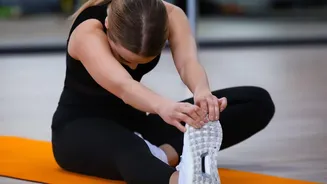
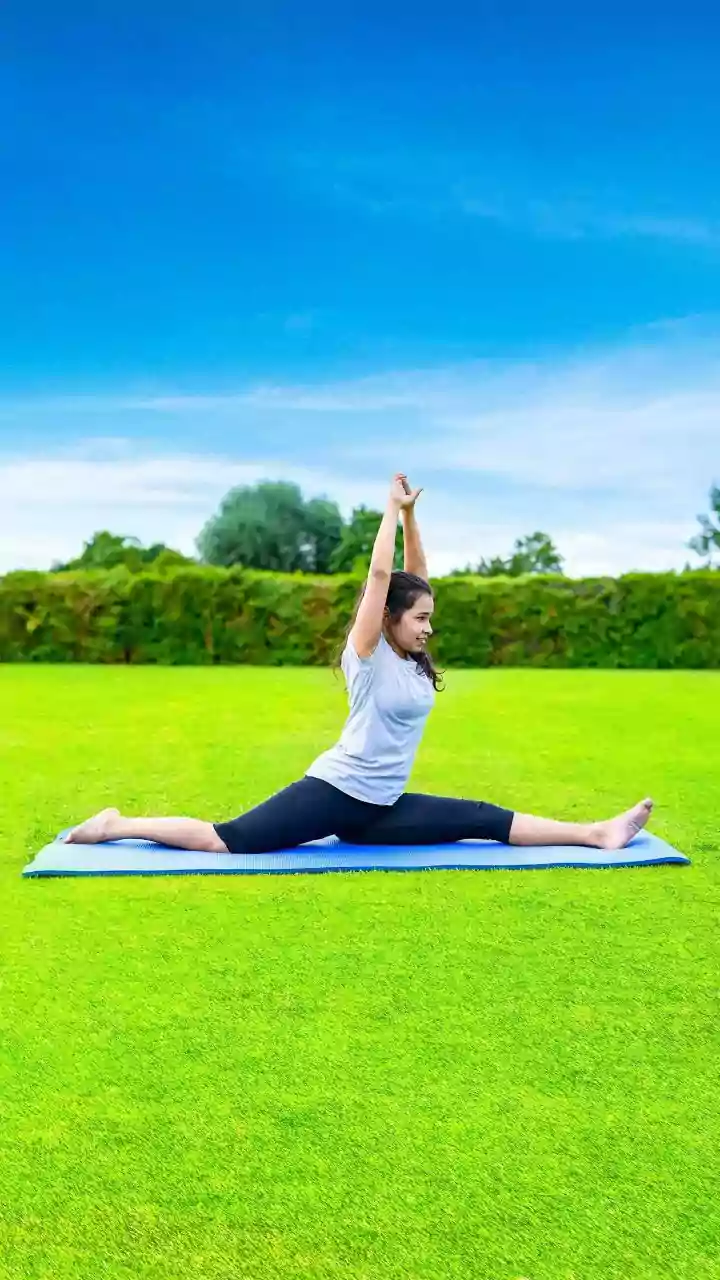
Stretching, in contrast, is specifically designed to lengthen muscle fibers and improve the mobility of your joints. When you hold a stretch, you are gently encouraging muscles and the surrounding connective tissues to elongate, which over time increases their flexibility. This process trains your nervous system to become comfortable with a greater range of motion, allowing your limbs to move through wider angles safely. Unlike jogging, which primarily works in one direction, stretching can target muscles from various angles—sideways, rotationally, and across the body—promoting a more comprehensive and balanced muscular health.
Dynamic vs. Static: The Right Stretch at the Right Time
Not all stretching is the same. Dynamic stretching involves active, controlled movements that take your joints through their full range of motion, like leg swings or walking lunges. This type is ideal before a run because it increases blood flow, warms up the muscles, and prepares the nervous system for activity. Static stretching, which involves holding a position for 30 seconds or more, is best saved for after your run. When your muscles are warm and pliable post-exercise, static stretches can help reduce muscle tension, improve long-term flexibility, and aid in recovery.
Why Range of Motion Matters
A good range of motion is crucial for more than just athletic performance; it's essential for everyday life and injury prevention. Simple activities like reaching for something on a high shelf, bending down to tie your shoes, or twisting to look behind you all depend on joint mobility and muscle flexibility. When muscles are tight from repetitive exercise like jogging, your body may compensate by using other joints or muscles improperly, increasing the risk of strains and other injuries. By incorporating stretching, you maintain the health of your joints and ensure your muscles can handle a wide variety of movements, not just the repetitive motion of a run.
Creating a Balanced Fitness Routine
The goal isn't to choose between jogging and stretching but to recognize them as complementary partners in fitness. Jogging provides unparalleled cardiovascular benefits and muscular endurance, while stretching provides the flexibility and mobility needed for healthy, resilient joints and muscles. To build a balanced routine, dedicate 5–10 minutes to dynamic stretches before you start your jog. Focus on movements that mimic running but with a greater range, such as high knees and butt kicks. After your run, spend another 10 minutes on static stretches, holding each for at least 30 seconds. Target key areas that get tight from running, like the hamstrings, quadriceps, hip flexors, and calves.