



1. Component Prep: The 'Food Lego' Approach
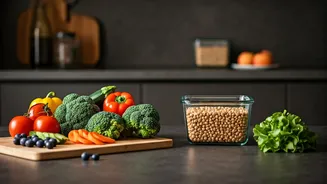
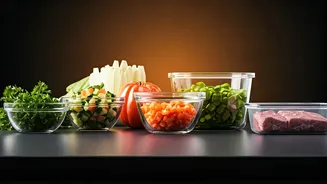
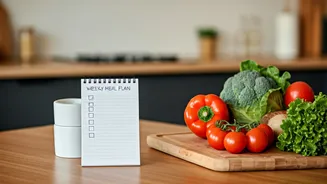
The biggest shift in meal prep is moving away from cooking five identical boxes of chicken, broccoli, and rice. The new philosophy is 'component prep'. Think of it as creating a set of culinary building blocks, or 'food Legos', that you can mix and match
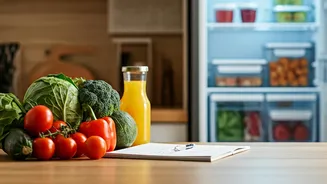
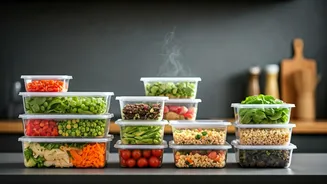
throughout the week. Instead of a finished meal, you prepare individual ingredients. On Sunday, you might roast a big tray of mixed vegetables, cook a batch of quinoa, grill some paneer or chicken, and whisk together a versatile dressing. On a busy Tuesday night, you can assemble a grain bowl in minutes. On Wednesday, you can stuff those same roasted veggies into a paratha for a quick roll. This approach combats flavour fatigue and gives you the freedom to create different meals from the same core components, making your weekly menu feel spontaneous and fresh.
2. Flavour Banking: Your Secret Weapon
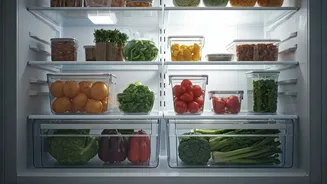
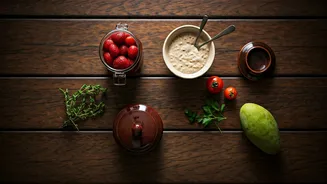
Top chefs don’t make everything from scratch every single time, and neither should you. 'Flavour banking' is the trend of prepping and storing high-impact flavour bases that can kickstart any meal. For Indian kitchens, this is a game-changer. Instead of chopping onions and grinding ginger-garlic paste daily, you can dedicate 30 minutes to making a large batch of basic bhuna masala (sautéed onion-tomato-ginger-garlic). Store it in the fridge for a week or freeze it in ice cube trays for months. When you need to make a quick sabzi or dal, your first 20 minutes of work are already done. Other popular flavour banks include homemade pesto, versatile peanut sauce for salads and satays, herby green chutney, or a simple lemon-tahini dressing. These potent bases can transform simple ingredients into a delicious meal with minimal effort.
3. The Rise of the 'No-Reheat' Lunch
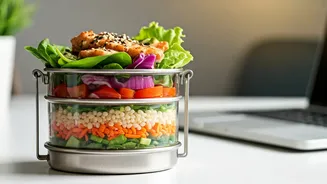
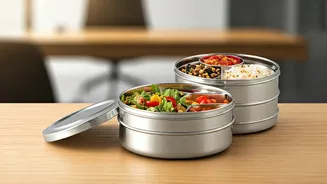
As more people return to the office, the limitations of the communal microwave have become painfully obvious. This has fuelled the trend of 'no-reheat' lunches—meals that are designed to be eaten cool or at room temperature. The quintessential example is the layered salad in a jar. By strategically layering the dressing at the bottom, followed by hard vegetables (carrots, chickpeas), grains, proteins, and leafy greens on top, you get a crisp, fresh salad that doesn't get soggy by noon. Other popular options include nutritious snack boxes (with hummus, vegetable sticks, boiled eggs, and nuts), cold noodle salads, and wraps filled with ingredients that hold up well, like smoked salmon or spiced chickpea mash. It’s all about creating a satisfying midday meal that is both delicious and independent of kitchen appliances.
4. Zero-Waste Prep: Smart for Your Wallet and the Planet
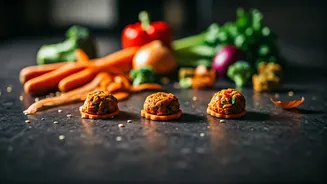
With rising food costs and growing environmental awareness, zero-waste meal prep has moved from a niche concept to a mainstream practice. This trend focuses on using every part of the ingredient to minimise waste and maximise value. It’s about being clever in the kitchen. Are you peeling carrots and potatoes? Save those peels in the freezer along with onion skins and celery ends. Once you have a full bag, you can simmer them to create a flavourful vegetable broth for free. Those cauliflower leaves and broccoli stems you used to throw away? They are delicious when roasted with a bit of salt and spice. Herb stems can be blended into pestos or chutneys. This mindset encourages a more thoughtful approach to cooking, forcing you to see potential in what you might have once considered trash, ultimately saving you money on groceries and reducing your household's food waste.
5. Tech-Assisted Planning: Your Digital Sous Chef
The final piece of the smart meal prep puzzle is technology. While the cooking is still analogue, the planning is becoming increasingly digital. A host of apps are now available to act as your personal 'sous chef'. Apps like Paprika or AnyList allow you to save recipes from anywhere on the web, automatically generate a sorted grocery list, and even help you plan a weekly menu. Some platforms use AI to suggest recipes based on ingredients you already have in your pantry, directly tackling the 'what do I do with this one eggplant?' problem. By digitising the planning phase—from recipe discovery to grocery shopping—these tools eliminate much of the mental load associated with meal prep, making the entire process more streamlined and less of a chore. It ensures you buy only what you need and arrive in the kitchen with a clear plan of action.