



More Than Just Water Loss
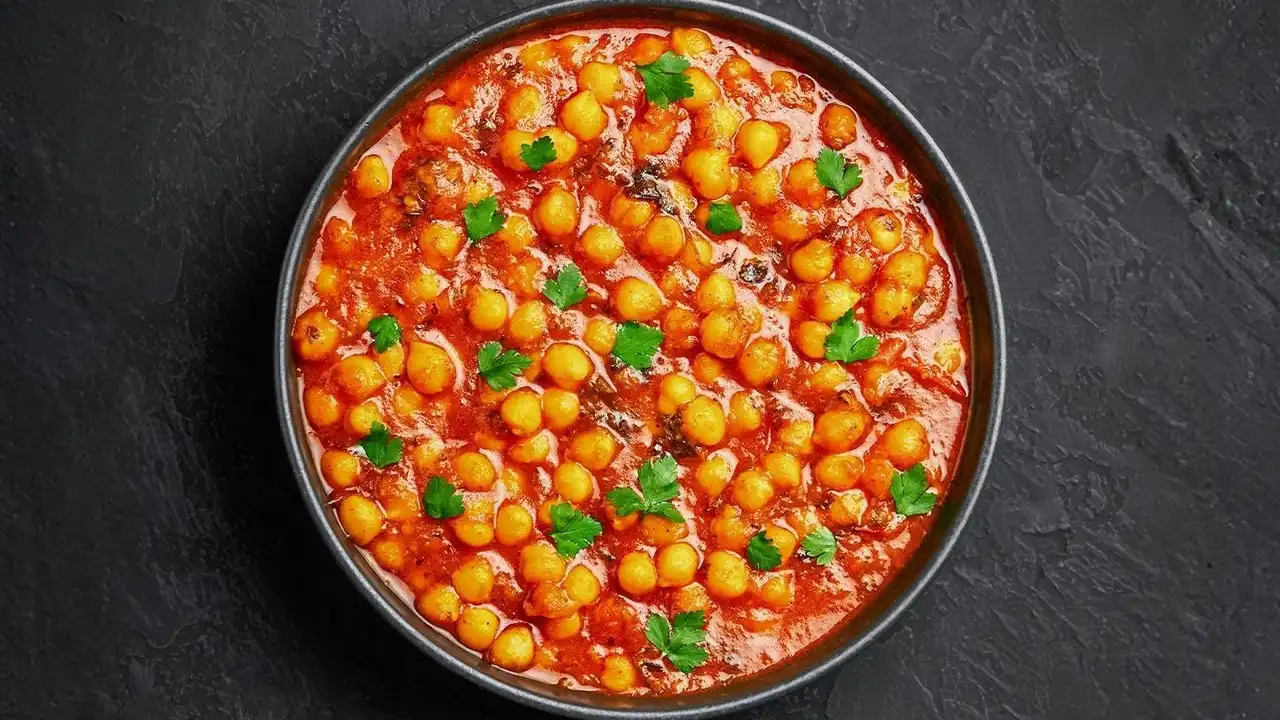
At its heart, cooking is a form of chemistry, and evaporation is one of its most powerful tools. When you simmer a gravy, sauce, or dal uncovered, you're not just getting rid of excess water; you're fundamentally changing its composition. This process,
known as reduction, concentrates all the other elements in the pot. As water turns to steam and escapes, the flavours of your tomatoes, onions, spices, and stock become more intense and pronounced. Think of it as turning up the volume on the taste. A liquid that is simmered and reduced will have a deeper, more complex flavour profile than one that was simply heated through. This is because the aromatic compounds that define the taste of your dish are left behind in a more concentrated form.
The Seasoning Trap
Here's a common mistake many home cooks make: seasoning a dish to perfection right at the beginning. If you add salt to your watery gravy until it tastes just right, you're setting yourself up for a salty disaster. Why? Because the salt doesn't evaporate with the water. As the liquid reduces, the salt concentration skyrockets. A perfectly seasoned four cups of liquid can become an inedibly salty one cup of sauce. The golden rule is to season in stages, but to hold back on the final, definitive salting until after the reduction is complete. You can always add more salt at the end, but it's nearly impossible to take it away once it's in. This is especially important when using store-bought stocks or broths, which often come pre-salted.
From Theory to Your Kitchen
This principle is the soul of many beloved Indian cooking techniques. The art of 'bhuna' is a perfect example. This is the slow process of sautéing onions, ginger, garlic, tomatoes, and spices until the raw smells disappear, the colour deepens, and the oil begins to separate from the masala. This extended cooking time allows for maximum evaporation, creating a thick, intensely flavourful base that clings beautifully to meat or vegetables. Similarly, when making dal makhani or a rich korma, the long, slow simmer is not just about cooking the lentils or meat; it's about reducing the liquid to achieve that signature creamy, luscious texture and concentrated taste. Without proper reduction, these dishes would feel thin and incomplete, no matter how good the initial ingredients were.
Reading the Visual Cues
So, how do you know when your dish has reduced enough? Your senses are your best guide. Look for a change in consistency; the sauce should be visibly thicker. A great test is to drag a spoon across the bottom of the pan. If it leaves a clear trail that doesn't immediately fill back in with liquid, your sauce is well on its way. In Indian cooking, the ultimate sign is when the oil separates and shimmers on the surface or around the edges of the masala—a moment often described as the masala 'leaving the oil' ('tel chhodna'). This indicates that most of the water has evaporated, and the fats have separated from the solids, creating a stable, flavour-packed foundation. You'll also notice the colour deepening and the aroma in your kitchen becoming richer and more fragrant.