




Decoding the Swicy Sensation
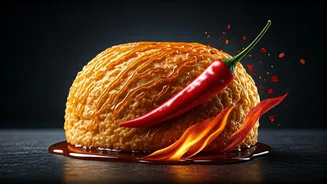
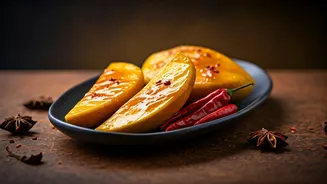
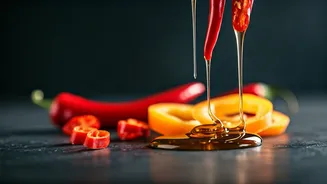
So, what exactly is 'swicy'? As the name suggests, it’s the culinary marriage of sweet and spicy. Think of any dish where the sweetness of sugar, honey, or fruit is deliberately paired with the tingling heat of chillies. It’s the gochujang glaze on fried
chicken, the sweet chilli jam in your sandwich, or the peri-peri sauce that has a surprisingly sugary kick. This isn't just about adding chilli to a dessert. It’s about creating a complex flavour profile where two seemingly opposite sensations don't just coexist, but elevate each other. The sweetness tames the initial burn of the spice, making it more approachable, while the spice cuts through the sugar, preventing the dish from becoming one-dimensionally sweet. It’s a flavour rollercoaster in a single bite.
An Old Love in a New Avatar
While the term 'swicy' might be new, the concept is deeply rooted in Indian cuisine. We’ve been mastering this combination for centuries. Consider the humble imli (tamarind) chutney that accompanies our samosas and chaat—a perfect symphony of sweet jaggery and sour tamarind, often spiked with chilli and ginger. Parsi cuisine has its iconic Dhansak, a lentil dish with a distinct sweet, sour, and spicy profile. Gujarati dal is famous for its delicate balance of sweetness and mild heat. What’s different today is the context and the ingredients. Modern food outlets aren't just replicating traditional recipes; they are applying the swicy principle to global formats like pizzas, burgers, and fried chicken, using ingredients like habanero, jalapeño, and sriracha that have become mainstream.
The Global Flavour Wave
Much of the current swicy craze can be traced to the global palate becoming more interconnected. The massive popularity of Korean culture, for instance, has introduced India to gochujang, a fermented red chilli paste with a savoury, sweet, and spicy kick that is now a staple in many urban kitchens and restaurants. Similarly, our love for Thai food has long familiarised us with the classic sweet chilli sauce. Mexican cuisine offers countless examples, from mole sauces to fruit salads sprinkled with Tajín—a blend of chilli, lime, and salt. As Indians travel more and consume global media, our appetite for these bold, complex flavours has grown exponentially. Food brands are simply responding to this sophisticated and adventurous palate.
The Science of Craving
There’s also a bit of brain science behind our love for swicy. The heat from capsaicin (the compound in chillies) triggers mild pain receptors on our tongue. In response, our brain releases endorphins, the body's natural 'feel-good' chemicals. Sugar, meanwhile, also triggers a pleasure response. When you combine the two, you get a 'dynamic contrast.' The sweetness provides immediate pleasure and cushions the chilli's aggressive punch, while the lingering heat keeps your palate engaged and makes you want to take another bite to get that sweet relief again. It’s a compelling, almost addictive cycle that food scientists and chefs are now expertly tapping into.
A Marketer’s Dream
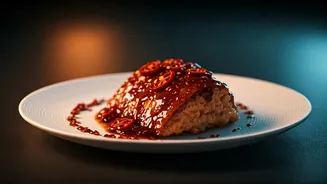
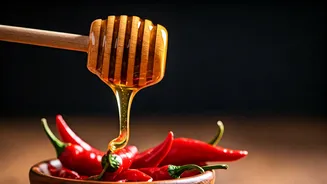
For fast-food chains and modern restaurants, the swicy trend is a perfect storm. It’s a relatively low-cost way to innovate and create buzz. Instead of developing an entirely new product, they can introduce a swicy sauce or glaze to an existing, popular item like fries, chicken wings, or pizza. The vibrant colours of a mango-habanero drizzle or a glistening hot honey glaze are also incredibly 'Instagrammable,' providing free marketing as customers share photos of their eye-catching meals. This trend particularly resonates with younger consumers, especially Gen Z, who are known for their adventurous eating habits and their desire for novel experiences, both for their palate and their social media feeds.