


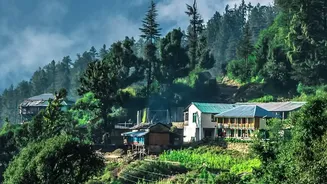
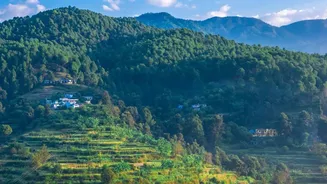
Dreaming of the Himalayas but worried about your wallet? Uttarakhand’s majestic peaks and serene valleys are more accessible than you think. By swapping costly tours for free forest walks and village trails, you can unlock an authentic, affordable escape.
The Secret to Budget-Friendly Himalayas
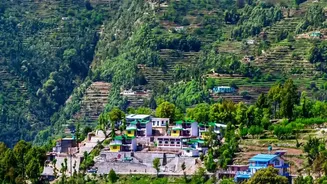
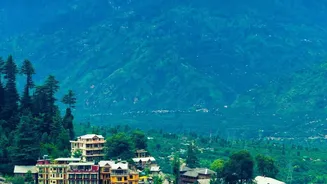
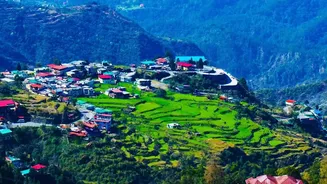
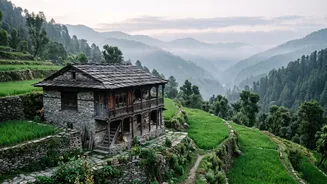
The true magic of Uttarakhand isn't found in expensive resorts but on the winding paths that connect its villages and crisscross its dense forests. For the savvy traveller, the state's greatest assets—its breathtaking natural landscapes—are entirely free to explore. Opting to travel on foot not only slashes your budget but also offers a more profound connection to the land and its people. This approach allows you to discover hidden temples, interact with local communities, and witness panoramic views that are inaccessible by road. Instead of a packed tourist itinerary, your journey becomes a series of quiet discoveries, from the scent of pine in the air to the taste of home-cooked Garhwali food in a village homestay.
Easy-to-Access Trails from Popular Hubs
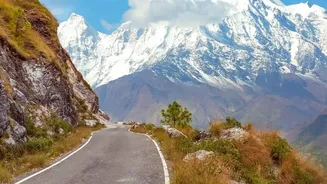
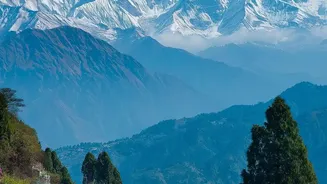
You don't need to venture into extreme wilderness to start your walking adventure. Many of Uttarakhand's most popular towns serve as excellent starting points for short, free hikes. Near Mussoorie, the trail to Benog Hill within the Benog Wildlife Sanctuary offers a peaceful walk with rewarding views. In the Kumaon region, the area around Nainital and Bhimtal is rich with lakeside paths and forest trails leading to viewpoints like Tiffin Top. Near Almora, the Binsar Wildlife Sanctuary has well-marked trails, including a popular 2 km walk to Zero Point, which provides a stunning panorama of peaks like Nanda Devi and Trishul on a clear day. These walks require no special permits or guides, making them perfect for a spontaneous and cost-effective day of exploration.
Exploring Deeper through Village-to-Village Walks
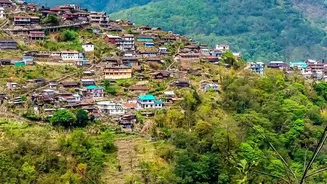
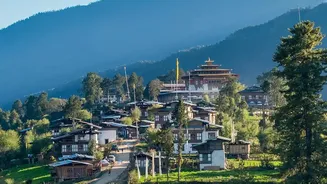
To truly embrace the spirit of the headline, venture into the state's lesser-known regions like the Kumaon and Garhwal Himalayas. Here, you can embark on multi-day walks, staying in village homestays along the way. Treks like the Dayara Bugyal, which starts from the village of Raithal, guide you through beautiful alpine meadows. The Chopta region, often called 'Mini Switzerland', is the gateway to the Tungnath-Chandrashila trek, a route that combines spiritual significance with incredible Himalayan scenery. In these areas, the journey itself is the destination. You can follow shepherd routes in Kumaon or explore ancient hamlets like those on the Har Ki Dun trail, experiencing a way of life that has remained unchanged for centuries.
How to Keep Your Overall Trip Costs Low
While the walks are free, accommodation and transport still cost money. The key to a practical trip is adopting a local mindset. Opt for homestays over hotels; they are not only cheaper (often ₹700-₹1500 per night) but also provide authentic, home-cooked meals and invaluable local knowledge. For transport, rely on the state-run bus network and shared jeeps (known locally as Maxis or Boleros), which connect most towns and villages for a fraction of the cost of private taxis. Eating at local dhabas is another way to save money while enjoying delicious regional cuisine, with meals often costing between ₹100-₹150. To further cut costs, travel during the shoulder seasons (March-April and September-October) to avoid peak tourist prices.
What 'Free' Really Means: A Practical Note
It’s important to clarify what 'free' entails. The act of walking the trails is typically without charge. However, some of the most beautiful trails lie within national parks or wildlife sanctuaries, such as Binsar Wildlife Sanctuary or Nanda Devi National Park, which require a modest entry fee. These fees contribute to the conservation of the fragile Himalayan ecosystem. Furthermore, while many shorter trails are well-marked and can be done independently, hiring a local guide for more remote or multi-day treks is highly recommended for safety and also supports the local economy. Always carry enough cash, as ATMs can be unreliable in remote villages. The real value lies in the low overall cost of a trip built around these priceless natural experiences.