

What Exactly Is Fermented Tea?
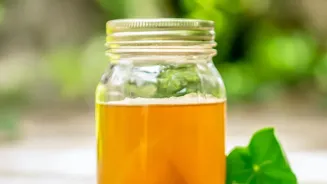
At its heart, this trendy beverage is kombucha, a drink with ancient roots, possibly originating in China thousands of years ago. It’s made by fermenting sweetened black or green tea with a special culture called a SCOBY, which stands for 'Symbiotic Culture
of Bacteria and Yeast'. This rubbery, pancake-like disk is the 'mother' culture that transforms the tea. The yeast in the SCOBY eats the sugar, creating a lightly carbonated, tangy, and refreshing drink. While commercially available from numerous Indian brands, a growing number of young people are choosing to brew it themselves.
A Gut Feeling for Health
A major driver of kombucha's popularity is the global wellness wave and a renewed focus on gut health. Kombucha is packed with probiotics—beneficial bacteria that support a healthy digestive system. Proponents believe this can lead to improved digestion, reduced bloating, and a stronger immune system. Rich in antioxidants from its tea base, it's seen as a healthier, low-sugar alternative to conventional sodas and sugary juices. For many young, health-conscious Indians, sipping on a glass of kombucha feels like a proactive step towards better well-being.
The Allure of the Home Lab
Beyond its health benefits, the DIY aspect of kombucha is a huge draw. Brewing kombucha at home transforms the kitchen into a mini-laboratory. It offers a sense of control and creativity that buying a bottle off the shelf can't match. Homebrewers can tailor every aspect of their drink, from the sweetness level and fermentation time to the final flavour. This hands-on process taps into a broader interest in artisanal hobbies, much like sourdough baking or craft coffee. Moreover, it's significantly more economical; while a store-bought bottle can be pricey, the cost of homebrewing after an initial setup is minimal, requiring only tea, sugar, and time.
A Community and a Vibe
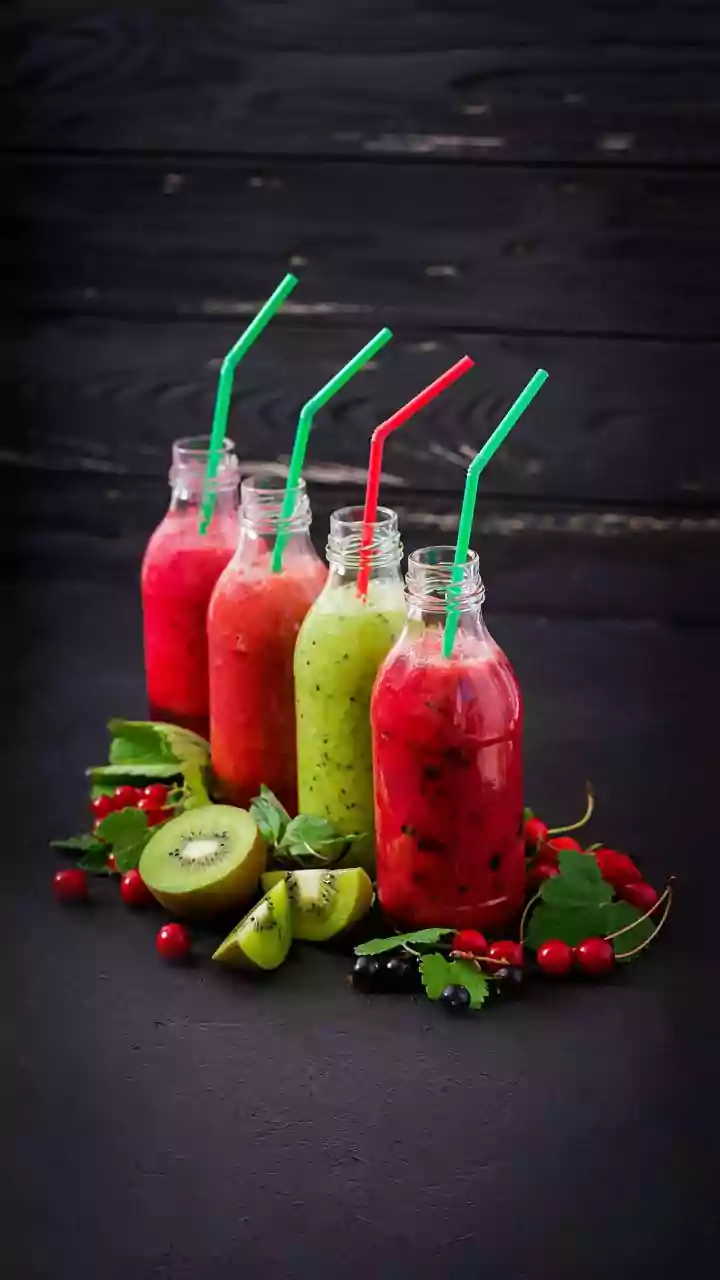
Making kombucha is also a social activity. The SCOBY culture grows with each batch, producing 'babies' that brewers can share with friends, creating a tangible, pay-it-forward community. This act of sharing is deeply ingrained in the culture of fermentation enthusiasts. The drink is also highly photogenic. The vibrant colours from second-fermentation additions like jamun, kokum, or rose make for beautiful, Instagram-worthy posts. It has become a visual signifier of a conscious, healthy, and trendy lifestyle, often positioned as a sophisticated, non-alcoholic alternative in social settings.
Getting Started with Your Brew
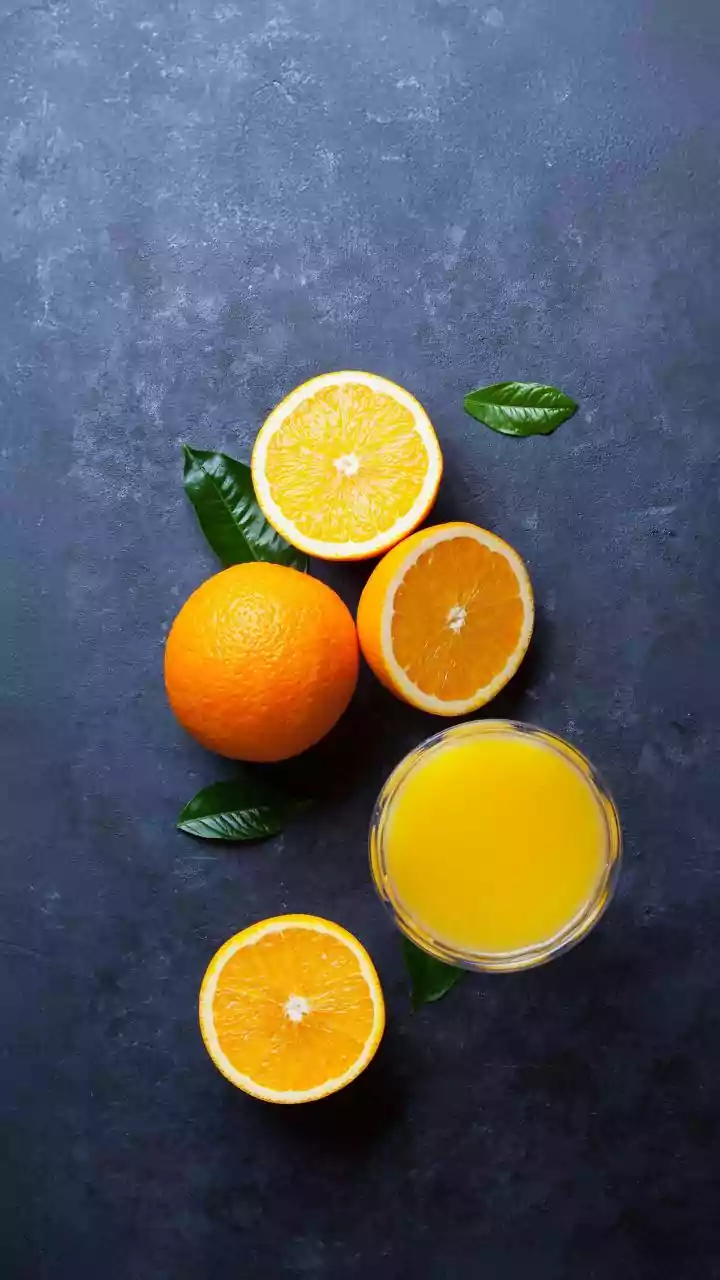
The idea of fermenting something at home might sound intimidating, but the kombucha process is surprisingly straightforward. It starts with brewing a large batch of sweet tea, letting it cool completely, and then adding a SCOBY and some starter liquid from a previous batch. This mixture is then covered and left to ferment for about a week to two weeks. After this first fermentation, the SCOBY is removed, and the liquid can be bottled with fruit juices, herbs, or spices for a second fermentation. This is where the drink develops its signature fizz and unique flavours, like popular Indian combinations such as ginger-lemon or mango.