







The Power of Simplicity
In a world of constant noise and connection, the idea of a personal retreat at home is more appealing than ever. A reading alcove isn’t just about having a place to read; it's about carving out a space for quiet contemplation and comfort. The magic of creating
such a space often lies not in expensive renovations, but in the thoughtful combination of simple, natural elements. This is where Devil's Ivy (Epipremnum aureum) and linen come in. The plant offers a touch of living, breathing nature that calms the mind, while linen provides a layer of tactile, understated luxury. Together, they form the foundation of a nook that feels both styled and effortlessly serene.
Meet Your Green Companion: Devil's Ivy
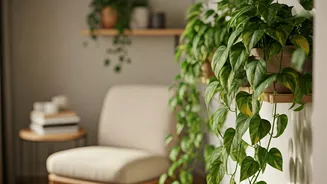
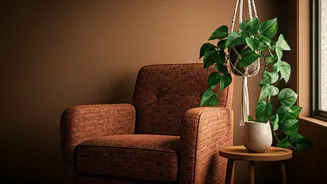
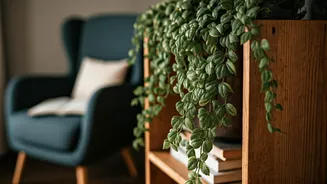
Devil's Ivy, also known as pothos, is the perfect plant for this project. It’s famously resilient, thriving in a wide range of light conditions from bright indirect light to lower-lit corners, making it incredibly versatile. Its main appeal is its trailing nature. The heart-shaped leaves cascade beautifully from shelves, hanging planters, or the edge of a bookcase, creating a soft, green curtain that frames your space. This vertical element draws the eye and adds a sense of enclosure without building walls. To get the best trailing effect, place your pothos on a high shelf above your chosen seat or in a macrame hanger near the nook. Water it when the top inch of soil feels dry, and it will reward you with lush, steady growth. Its hardiness means you can focus on enjoying your space, not worrying about complex plant care.
Embrace the Comfort of Linen
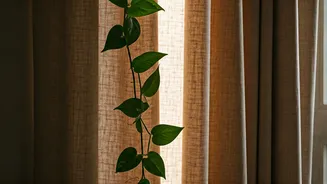
Linen is a textile that whispers comfort. Made from the fibres of the flax plant, it’s strong, breathable, and gets softer with every wash. Its natural, slightly rumpled texture adds a layer of relaxed sophistication that perfectly complements the organic feel of the Devil's Ivy. Unlike stiff, formal fabrics, linen invites you to curl up and get comfortable. Start with the larger elements. A simple linen curtain can diffuse sunlight, casting a soft, warm glow across your alcove. Next, introduce layers. Drape a chunky linen throw blanket over your armchair or daybed. Add a few oversized linen cushions for back support and plushness. Don’t be afraid to mix and match neutral shades like oatmeal, beige, and soft grey to create depth and visual interest without overwhelming the small space.
Finding and Furnishing Your Nook
The first step is identifying the right spot. Look for an underutilised corner in your living room, a space beside a window, or even the landing at the top of your stairs. The best alcoves feel separate from the main flow of traffic, giving them a sense of privacy. Once you have your location, choose your primary seating. This could be a plush armchair, a small chaise lounge, or even a well-cushioned floor mattress. The key is comfort. Ensure your chosen seat is deep enough to curl into. A small side table is non-negotiable; you’ll need a surface for your book, a cup of tea, and perhaps a small lamp. Choose a table made from natural materials like wood or rattan to continue the organic theme.
The Importance of Warm Lighting
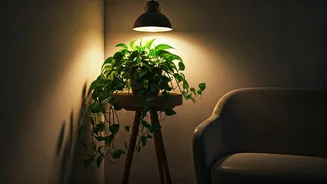
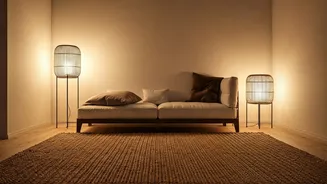
Lighting is crucial for both the function and feel of a reading nook. Natural light is wonderful during the day, so positioning your nook near a window is ideal. For evenings or on gloomy days, you’ll need a dedicated light source. Avoid harsh, overhead lighting. Instead, opt for a focused task light. A floor lamp with an adjustable head is a great choice, as you can direct the beam right onto your page. Alternatively, a small table lamp with a fabric shade can provide a softer, more ambient glow. Choose a warm-toned bulb (around 2700K) to enhance the cozy atmosphere. The right light makes reading comfortable and turns your alcove into a warm, inviting beacon in the evening.