


The End of 'More Is More'
For years, the pendulum of interior design has swung between stark minimalism and chaotic maximalism. One left rooms feeling cold, while the other risked feeling cluttered. Now, a more intentional approach is taking over. The 2026 trend isn't about having
more 'stuff'; it's about choosing fewer, better things that create a significant visual impact. This shift, sometimes called 'essentialism', prioritises purpose and personality over sheer volume. Instead of dozens of small knick-knacks, the focus is on anchoring a room with pieces that have presence and a point of view. It reflects a growing desire for our homes to be personal sanctuaries that feel both meaningful and effortlessly elevated, rejecting the 'fast furniture' culture for items with longevity.
The Power of a Statement Piece
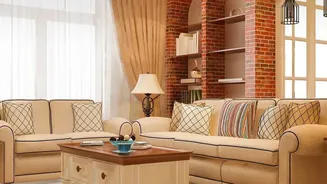
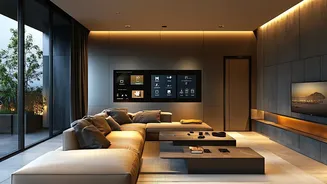
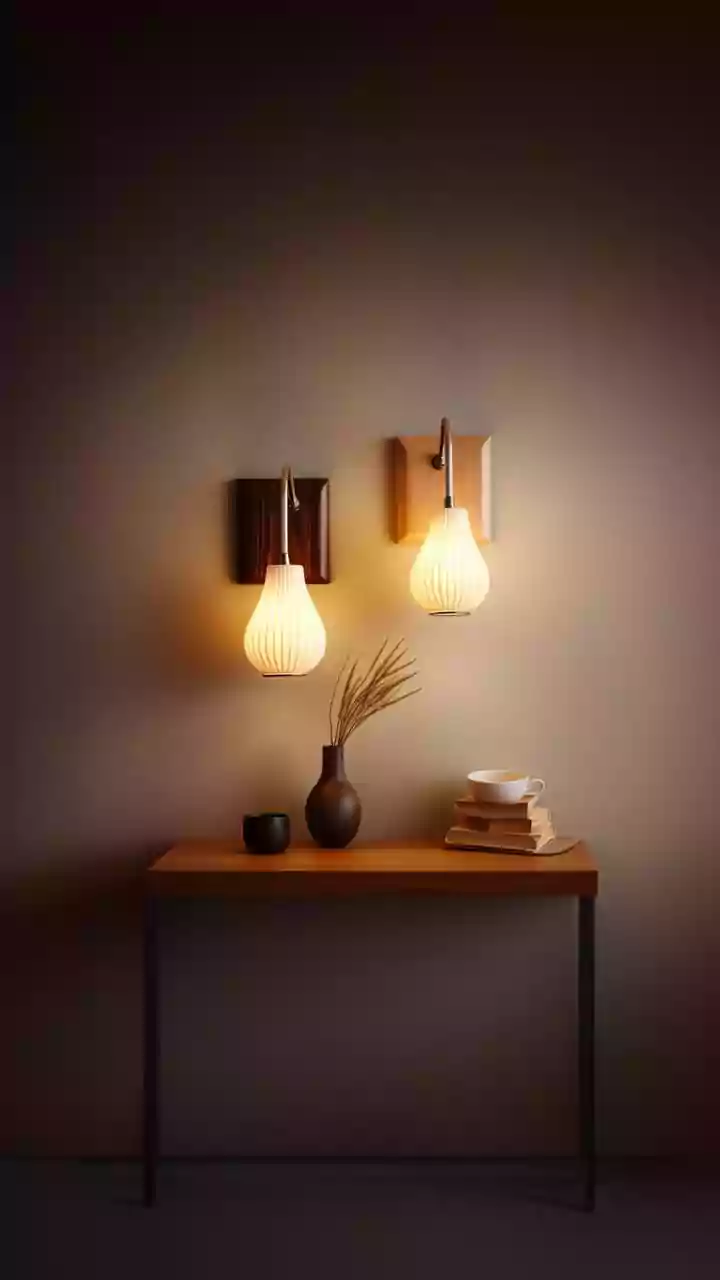
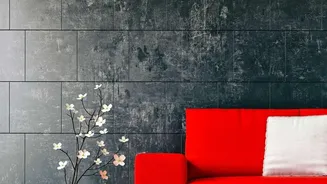
At the heart of this trend is the statement piece. This could be a grand, oversized sofa you can sink into for hours, a large-scale piece of art that commands attention, or a sculptural light fixture that doubles as a centerpiece. Designers note that instead of decorating around furniture, homeowners are now building rooms around a single, powerful item. Think of a dining table with a unique, curved form, a boldy patterned rug that grounds the entire space, or even an architectural element like a freestanding shower. The key is confidence. A single, well-chosen piece with personality can define a room's layout and atmosphere, making it feel curated rather than haphazardly assembled.
Texture and Colour as Main Characters
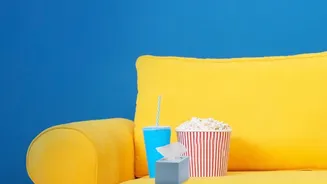
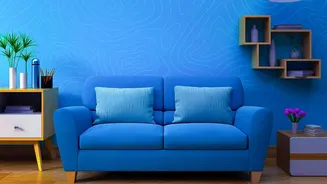
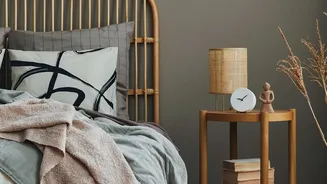
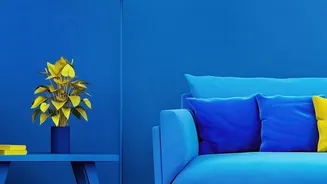
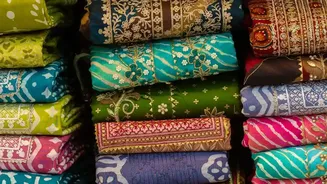
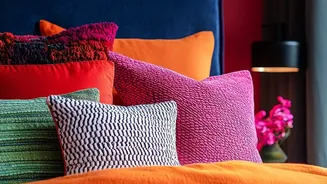
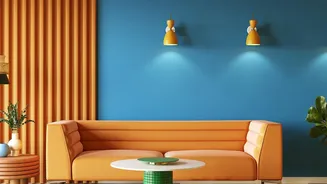
Visual impact isn't just about large objects; it's also about sensory experience. Texture is becoming as important as colour in creating a dynamic space. Designers are layering materials like boucle, velvets, natural woods, and even hand-applied plaster to add depth and warmth without adding clutter. Colour is also being used in a more dramatic fashion. Instead of just an accent wall, the concept of 'colour drenching'—where walls, trim, and even ceilings are painted in the same saturated hue—creates an immersive, cocoon-like environment. This use of bold colour and rich texture provides the desired visual drama, allowing the furniture and decor to remain simple and intentional.
How to Create Visual Impact at Home
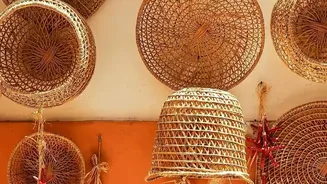
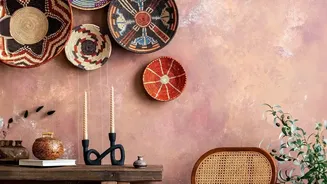
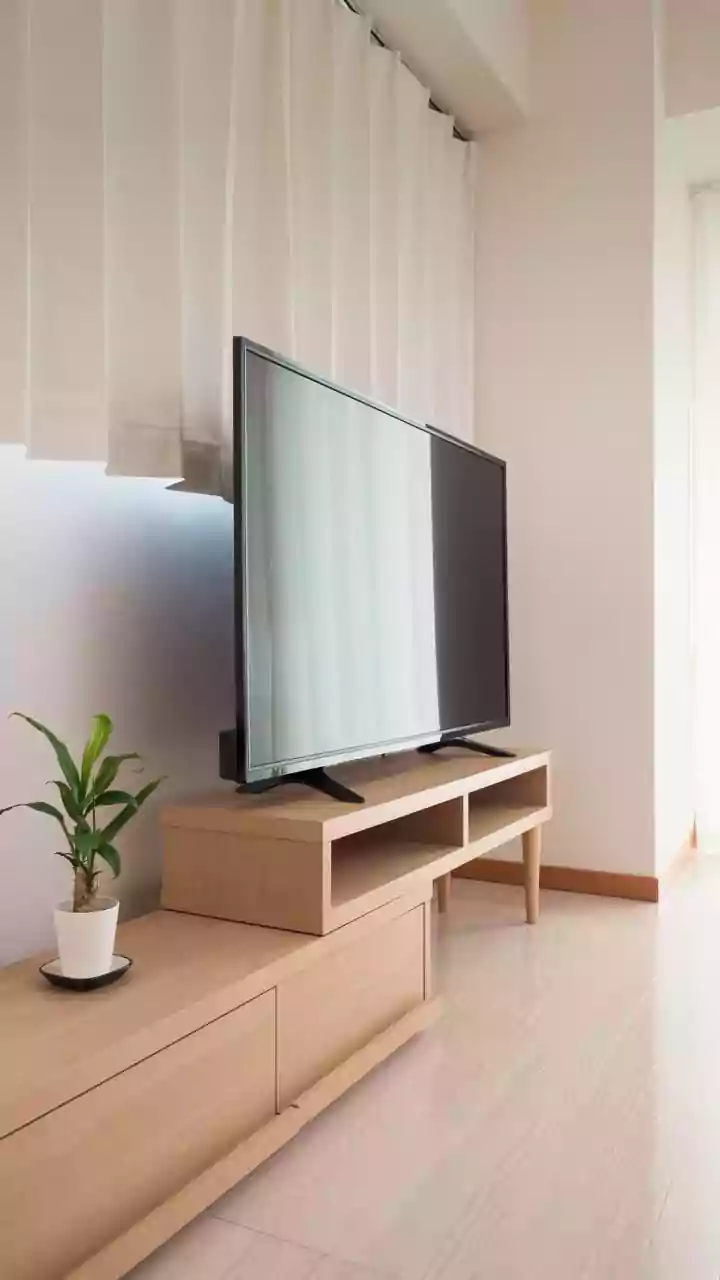
Adopting this philosophy starts with editing. Before adding anything new, consider what you can remove. The goal is to give your most cherished items breathing room. Once you've decluttered, identify a focal point. What do you want the 'hero' of your room to be? Perhaps it's a stunning piece of art, or a vintage armchair passed down through your family. In an Indian context, this could be a beautifully carved wooden jhoola, an ornate antique doorway repurposed as a wall feature, or a collection of handcrafted brass vessels grouped together for maximum effect. Don't be afraid to go big; an oversized piece often makes a small room feel larger and more intentional. Finally, balance your statement piece with quieter, complementary elements to let it truly shine.
A More Personal and Sustainable Choice
This shift towards 'quality over quantity' aligns with a broader cultural move towards sustainability and conscious consumption. By investing in fewer, high-quality, or vintage pieces, you're not just creating a more impactful space; you're also making a more environmentally friendly choice. This trend encourages us to move away from disposable decor and build a collection of items that tell a personal story. A home in 2026 is less about impressing guests with a catalogue-perfect look and more about creating a space that feels authentic, comfortable, and emotionally resonant. It's about surrounding yourself with things that have history and meaning, crafting a home that is a true reflection of you.