
A Global Check-Up on Nutrition
The 2026 'State of Food Security and Nutrition in the World' (SOFI) report, a joint effort by five UN agencies, offers a comprehensive look at global hunger and nutrition. While the report notes that global hunger has thankfully declined for the third
year in a row, it raises a crucial alarm about the quality of diets worldwide. The new data reveals that progress on key nutritional indicators, like child stunting and anaemia in women, is far too slow. This year’s report places a special emphasis on dietary diversity—a measure of whether people are consuming a wide range of food groups. The findings suggest that even when people have enough calories, they often lack access to the varied, nutrient-rich foods needed for a truly healthy life. This is a global issue, but one with particular resonance for India.
The Affordability Crisis
A central theme of the 2026 report is the rising cost and subsequent unaffordability of a healthy diet for billions of people. Globally, about 2.7 billion people could not afford a healthy diet in 2025. For India, the numbers are stark: despite progress in reducing undernourishment, over 520 million people—more than a third of the population—could not afford a healthy diet in 2025. The cost of such a diet in India rose by nearly 48% since 2017. The report clarifies that an affordable, healthy diet goes beyond basic grains, including fruits, vegetables, and sources of protein. However, the high prices of these nutrient-dense foods are precisely what put them out of reach for many families, forcing a reliance on cheaper, calorie-rich staples.
India's Double Burden
The UN report's findings align with what health experts are increasingly calling India's "double burden of malnutrition." This refers to the paradoxical situation where undernutrition, like child stunting, coexists with a rise in overnutrition, such as adult obesity and diet-related diseases. While India has made progress in reducing stunting, which affected 32.9% of children under five in 2024, rates of adult obesity and anaemia in women continue to increase. This double burden highlights that the problem isn't just a lack of food, but an imbalance in the food being consumed. An over-reliance on cereals and processed foods, coupled with an inadequate intake of diverse food groups, is contributing to poor health outcomes across the spectrum.
Rethinking the Indian Thali
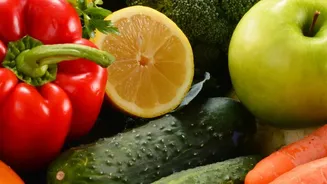
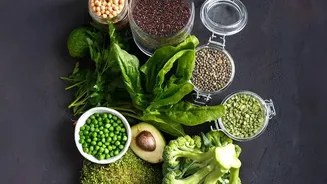
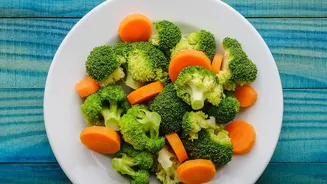
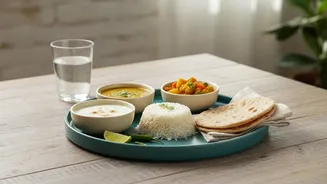
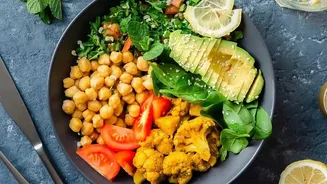
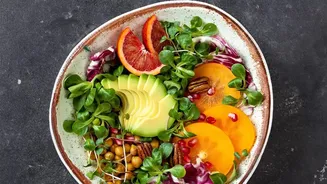
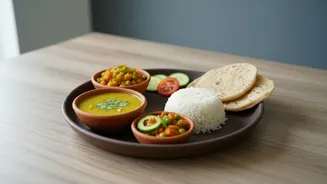
So, what does a focus on food group variety mean for the average Indian meal? The traditional thali is, by design, a balanced meal. It contains cereals (roti/rice), pulses (dal), vegetables (sabzi), and often a dairy component (curd). However, modern diets and economic pressures have skewed this balance. The UN report implicitly calls for a re-emphasis on this diversity. This means consciously moving beyond just filling up on rice and wheat and ensuring a colourful variety of vegetables and fruits are on the plate. It also means incorporating diverse protein sources—from different dals and legumes to eggs, fish, and lean meats where culturally appropriate—and paying attention to healthy fats. The goal is to ensure meals provide a wide array of micronutrients, not just energy.
Making Variety Practical and Possible
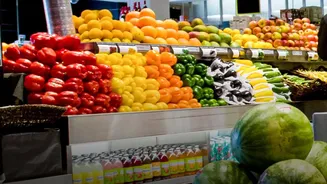
Addressing the affordability and access issues highlighted by the report requires systemic change, including investments in agriculture and reducing food waste. But for individuals, improving dietary variety doesn't have to be expensive or complicated. It can start with small, deliberate choices. Prioritising seasonal, local vegetables and fruits is often more affordable. Incorporating millets and other coarse grains alongside wheat and rice can boost nutrient intake. For families on a tight budget, pulses and eggs remain some of the most cost-effective sources of high-quality protein. Nutrition education, as noted in analyses of the report's findings, is also key, helping people make healthier choices with the resources they have.