




The Heart of the Matter: The Batata Vada
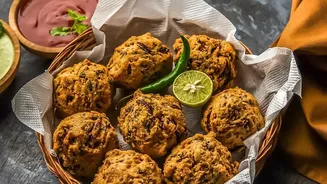
Before we talk about frying, let's appreciate the star: the batata vada. This isn't just a mashed potato ball; it's a flavour-packed patty. Typically, boiled potatoes are mashed and tempered with mustard seeds, curry leaves, ginger, garlic, and green
chillies. This spicy, fragrant mixture is then formed into balls, ready for its crucial next step—the coating. A smooth batter of gram flour (besan), seasoned with turmeric and salt, is prepared. This coating is what will become the vada's crispy, golden shell, protecting the soft, spiced potato within. The consistency of this batter is key; it must be thick enough to cling to the potato ball but not so thick that it becomes heavy or doughy.
The Gold Standard: Traditional Deep Frying
For the purists, there is no substitute for deep frying. This method is what gives the street-style vada its signature crunch and uniform golden-brown colour. When the battered vada hits the hot oil, the exterior cooks rapidly, creating a crispy shell that seals in the moisture of the potato filling. The result is the authentic taste and texture that has made Vada Pav famous: a delightful contrast between the crunchy coating and the pillowy, spicy interior. However, this method requires a significant amount of oil, can be messy, and is the least healthy option. It's an indulgence, delivering maximum flavour but also requiring more effort and cleanup.
The Health-Conscious Choice: The Air Fryer
Enter the air fryer, the modern kitchen's answer to guilt-free crispiness. Making vada pav in an air fryer drastically reduces the amount of oil needed—by up to 80%, according to some claims. To achieve a good result, the vadas are coated in batter and then lightly brushed or sprayed with oil before being placed in the air fryer basket. They are typically cooked at around 180°C for 14-15 minutes, often flipped halfway through, until the coating is cooked and lightly golden. While you won't get the exact same deep-fried crunch, you will get a satisfyingly crisp exterior with the same soft, flavourful inside. It's a fantastic compromise for a weeknight craving, offering easier cleanup and a much lighter final product.
The Stovetop Shortcut: Pan Frying
If you don't have an air fryer but still want to avoid a vat of hot oil, pan-frying is an excellent middle ground. This technique can be done in a standard pan or a specialised one like an 'appe' pan. Using a flat pan, you use a small amount of oil to cook the battered vadas, turning them to brown each side. This gives you a crispy crust without full submersion in oil. An appe pan, with its small, round cavities, is also perfect for creating uniformly cooked vadas with minimal oil. The texture is a hybrid: crispier than a baked vada but not as airy and light as a deep-fried one. It’s a practical, less wasteful method that still delivers a delicious, homemade vada.
The Ultimate Healthy Hack: Baking
For those prioritising health above all, baking the vadas is another viable option. Some innovative recipes even skip the batter, incorporating the vada filling directly into a bread dough that is then baked, creating an all-in-one baked vada pav. This method uses virtually no oil and is by far the cleanest and healthiest. However, it's important to be realistic about the results. A baked vada will not have the signature crispiness of its fried counterparts; the texture will be much softer, more akin to a stuffed bun. While it's a departure from the classic, it’s a creative way to enjoy the beloved flavours without any of the frying.