






The Tale of Two Names: Kovai and Coimbatore
The name Coimbatore is the formal, anglicised version of a name that has evolved over centuries. Locally and lovingly, the city is known as Kovai. This shorter name is not just a modern convenience; it holds historical significance. The most widely accepted
origin traces back to a tribal chieftain of the Irula people named Kovan. The area was originally his settlement, called Kovanpatti or Kovanputhur, meaning 'the new town of Kovan'. Over time, Kovanputhur morphed into Koyampuththoor, which the British found easier to pronounce as Coimbatore when they annexed the region in 1799. Despite the official change, the name 'Kovai' endures as a fond, everyday reference, connecting the modern metropolis to its ancient tribal roots.
The Manchester of South India
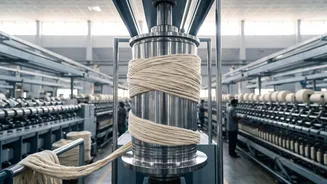
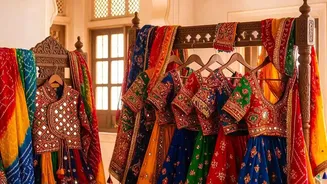
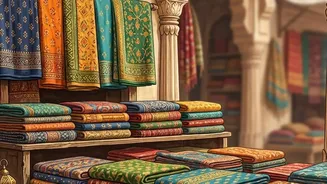
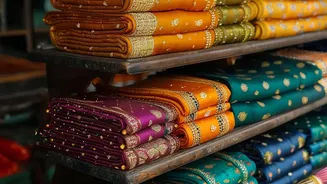
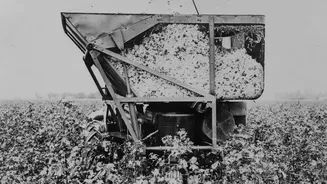
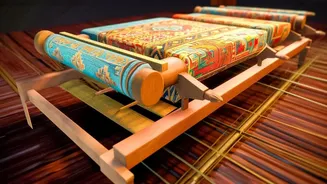
Coimbatore's most famous moniker is the 'Manchester of South India', a title earned for its sprawling and dominant textile industry. This comparison arose because, much like its British counterpart during the Industrial Revolution, Coimbatore became the epicentre of cotton textile production in the region. The city is nestled in a region with rich, black soil ideal for cotton cultivation, providing a ready supply of raw materials. This natural advantage, combined with entrepreneurial spirit, transformed the area into a textile powerhouse. For over a century, the city's economy and identity have been defined by the hum of spinning mills and the vibrant output of its looms, which at one point accounted for a significant portion of India's cotton spinning capacity.
The Dawn of an Industrial Revolution
While cotton was always present, the industrialisation of Coimbatore’s textile sector began in the late 19th century. The first major step was the establishment of the Coimbatore Spinning and Weaving Mills in 1888 by Sir Robert Stanes. This mill, popularly known as Stanes Mill, marked the beginning of large-scale mechanised textile production in the city. Following this, more mills began to appear. The real boom, however, occurred in the 1920s and 1930s. A key catalyst was the commissioning of the Pykara hydroelectric project in 1932, which provided abundant and cheap electricity. This, coupled with the Great Depression making imported machinery cheaper, allowed local industrialists to set up numerous state-of-the-art mills, triggering an unprecedented period of growth.
An Ecosystem of Enterprise
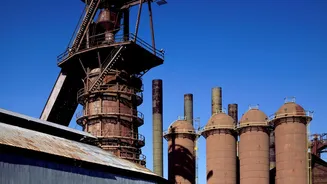
Coimbatore's success wasn't just about spinning cotton; it was about building an entire ecosystem. The proliferation of textile mills created a demand for machinery and repairs. This led to the birth of a robust engineering and foundry sector, initially started as small workshops to service the textile machines. This synergy created a self-sustaining industrial environment where textile manufacturing and engineering grew hand-in-hand. The city became known not just for its yarn and fabric but also for producing textile machinery and components. This spirit of enterprise was further bolstered by the establishment of The Southern India Mills' Association (SIMA) in 1933, which helped advocate for the industry and ensure fair practices.
Weaving a Future Beyond Cotton
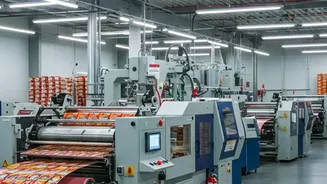
Today, Coimbatore's textile heritage continues to evolve. While still a major hub for cotton, the industry faces modern challenges, including rising production costs and the need for sustainable practices. In response, the industry is shifting its focus. There is a growing emphasis on technical textiles, such as medical textiles (Meditech) and industrial textiles (InduTech), with the city hosting two national Centres of Excellence for these fields. Furthermore, there is a push towards man-made fibres (MMF) and adopting cleaner, greener technologies to reduce carbon emissions and remain competitive in a global market that increasingly values sustainability. This willingness to innovate ensures that Coimbatore's looms will continue to spin new stories for the future.