




What is the Gut Microbiome?
Think of your gut as a bustling city populated by trillions of microorganisms, including bacteria, viruses, and fungi. This community is your gut microbiome. For a long time, we thought of bacteria as purely harmful, but we now know that this internal
ecosystem is vital for our health. These microbes help digest food, produce essential vitamins, regulate our immune system, and even influence our mood. A diverse and balanced microbiome is considered a hallmark of good health. When this balance is disrupted, it can contribute to a range of issues, from digestive discomfort to more serious metabolic conditions like diabetes and obesity.
Why Old Research Didn't Apply to Us
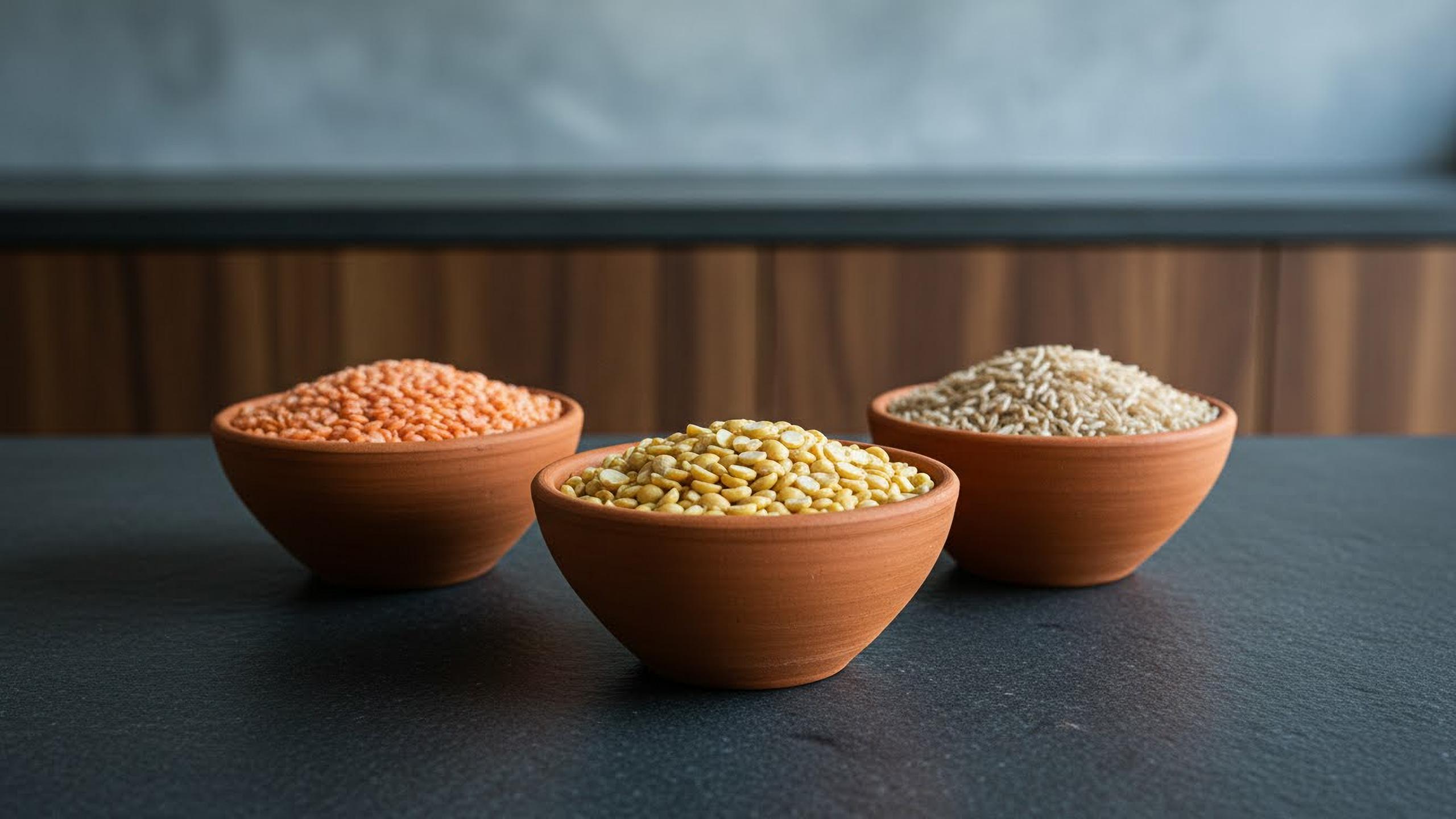
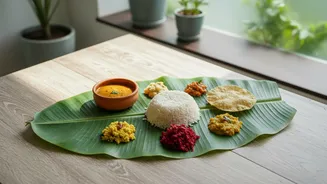
For years, the vast majority of health studies, including those on the microbiome, were conducted on Western populations. This created a significant blind spot. The problem is that a 'one-size-fits-all' approach to health simply doesn't work. Factors like genetics, environment, and especially diet, create massive differences in gut composition. A traditional Indian diet—rich in fibre, legumes, and spices—is vastly different from a typical Western diet high in processed foods, fats, and simple sugars. As a result, applying findings from a person in Europe to someone in India is like using a map of the wrong city—the landmarks are all different. This is why South Asian populations have been critically underrepresented in global microbiome research, despite making up a quarter of the world's population.
New Discoveries from South Asian Studies
Thankfully, a new wave of research is finally putting the South Asian microbiome in the spotlight. Recent landmark studies, like the SAMBAR (South Asian MicroBiome ARray) project, have analyzed the gut microbes of diverse communities across India and Sri Lanka. These studies have confirmed that the South Asian gut microbiome occupies a distinct space compared to global populations. For instance, many Indians have a higher abundance of the bacterium Prevotella, which is excellent at breaking down the complex carbohydrates and fibre found in plant-based diets. In contrast, Western guts are often dominated by Bacteroides, which are more suited to digesting fats and proteins. Research also shows that urbanization and the shift towards Western diets are altering this unique composition, potentially explaining the rising rates of metabolic diseases like diabetes in urban India.
Understanding Your 'Individual Response'
This new research reinforces a critical concept: our response to food is highly personal. Even if you and your friend eat the exact same meal, your bodies might process it very differently. Your blood sugar might spike while theirs remains stable. This is your 'individual response', and your unique gut microbiome is a major driver of it. The specific bacteria you host determine how effectively you break down different nutrients. This is why some people thrive on a wheat-heavy diet common in North India, while others do better with the rice-based diets of the South. It's not just about the food itself, but the interaction between the food and your personal microbial community. This is the foundation of 'precision nutrition'—the idea that dietary advice should be tailored to an individual, not a population.
How to Apply This Knowledge Practically
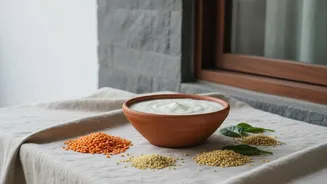
So, how can you use this information without a PhD in microbiology? The key is to become a better observer of your own body. Instead of blindly following a foreign diet trend, pay attention to how traditional, home-cooked Indian meals make you feel. Do you feel energetic after a meal of dal and roti, or sluggish after a pizza? Keeping a simple food diary can help you connect specific foods to your energy levels, digestion, and overall well-being. This self-awareness is more powerful than any generic diet plan. The research suggests that for many South Asians, traditional fibre-rich diets are protective. Fermented foods like yogurt (dahi), idli, and dhokla are also fantastic, as they are natural probiotics that support gut resilience.
The Future of Gut Health is Personal
The field of personalized nutrition is rapidly growing, with at-home microbiome testing kits becoming more available. While these tests can offer interesting insights into your microbial diversity, it's important to approach them with caution. The science is still evolving, and interpreting the results can be complex. For now, the most powerful tool you have is your own experience. The latest research empowers you to trust your body's signals and validates the wisdom often found in our traditional food cultures. Rather than seeking a single 'superfood' or a magic diet, the goal is to build a balanced, diverse diet that works in harmony with your unique internal ecosystem.