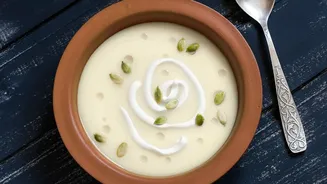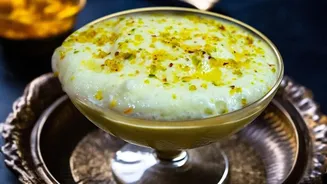



Makhane ki Kheer
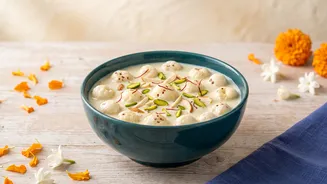
A classic fasting dessert, Makhane ki Kheer is a creamy pudding made from puffed lotus seeds (makhana). This gluten-free delight is both nutritious and light, making it a perfect dish to break a fast. The makhanas are typically roasted in ghee until crisp,
then simmered in full-fat milk until they soften and the milk thickens. Sweetened with sugar or jaggery and flavoured with cardamom powder and saffron, this kheer has a unique texture that is both soft and slightly chewy. Garnished with chopped almonds and pistachios, it’s a wholesome and divine offering that is beloved in households across the country during Janmashtami.
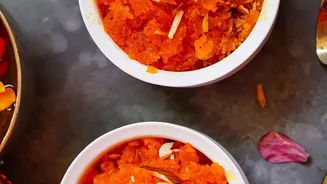
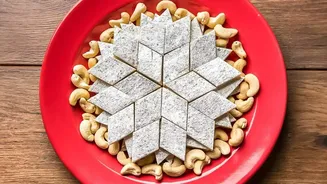
Kalakand
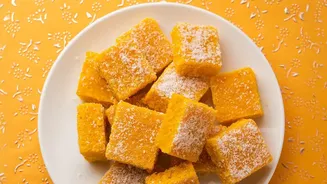
Kalakand is a rich, moist, and grainy milk cake that melts in your mouth. Symbolising purity and abundance, this sweet is a festive favourite. The traditional method involves reducing milk for hours, but a quicker version can be made using paneer (fresh cottage cheese) and condensed milk. The crumbled paneer is cooked with condensed milk until the mixture thickens and begins to leave the sides of the pan. Infused with cardamom powder and sometimes a hint of rose water, the mixture is then set in a tray and cut into squares. Its grainy texture and milky sweetness make it a truly indulgent bhog for Krishna.
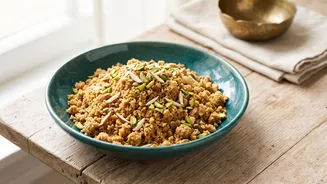
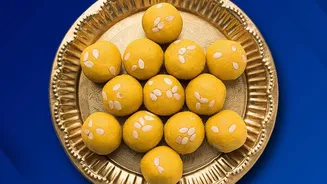
Dhaniya Panjiri
While most panjiri is made with wheat flour, the Dhaniya Panjiri prepared for Janmashtami is unique as it uses coriander seed powder as its base. This makes it a traditional prasad specifically associated with this festival. To prepare it, coriander powder is roasted in ghee until fragrant. This is then mixed with powdered sugar, a variety of roasted nuts like almonds and cashews, grated coconut, and sometimes edible gum (gond). The resulting mixture has a crumbly, sandy texture and a wonderfully aromatic and sweet flavour. It is an essential part of the midnight puja and is distributed to devotees as a blessed offering.
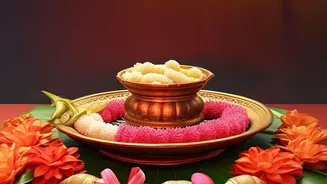
Charnamrit or Panchamrit
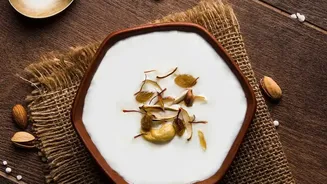
More a sacred elixir than a dessert, Charnamrit is a compulsory offering in Janmashtami pujas. The name 'Panchamrit' literally means 'five nectars', referring to its five core ingredients: raw cow's milk, yoghurt (curd), honey, sugar, and ghee. These five components are gently mixed together in a clean bowl, never whipped. Often, Ganga Jal (holy water) and fresh Tulsi (holy basil) leaves are added for their sanctity. The mixture is then garnished with chopped nuts, makhana, or even bits of banana. This uncooked, divine concoction is first offered to the deity and then distributed in small amounts to the family as prasad, believed to bestow health and piety.
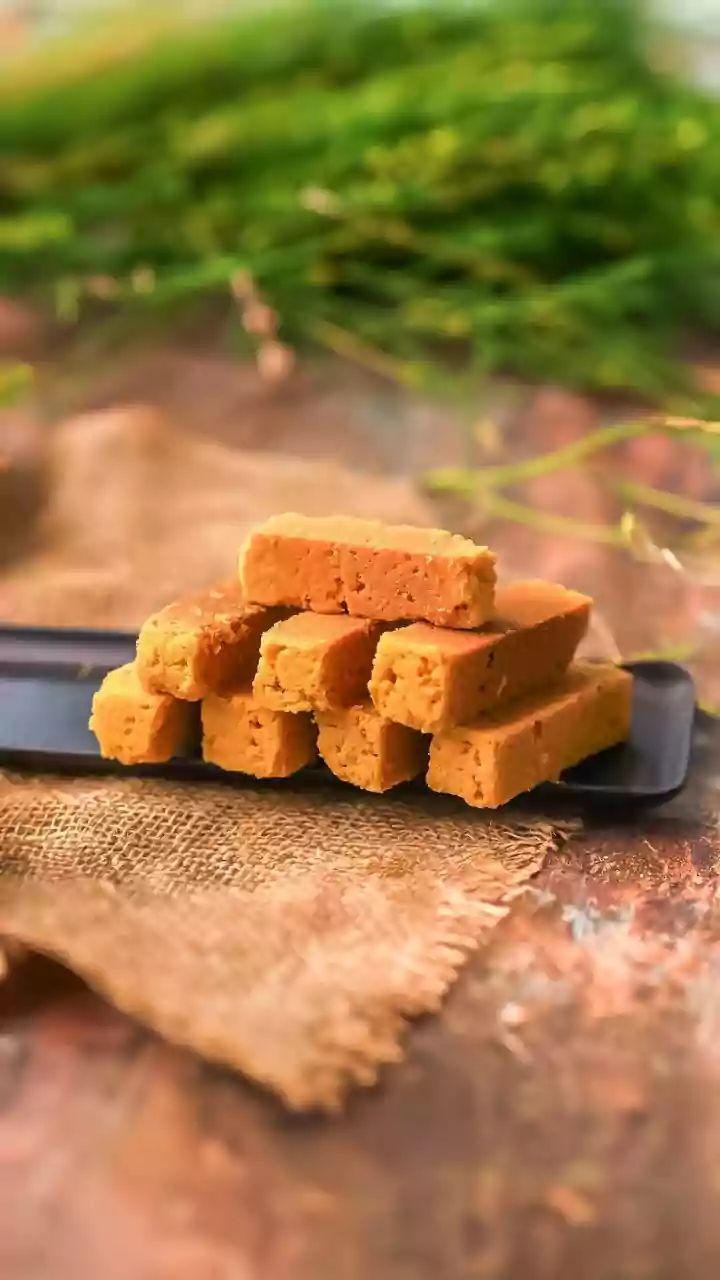
Meva Paag
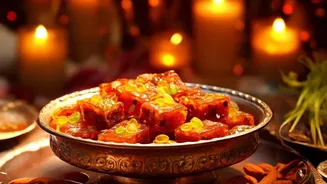
Meva Paag is a rustic and nutritious sweet brittle or fudge packed with dried fruits and nuts. 'Meva' means nuts and 'paag' refers to the sugar syrup that binds everything together. It’s an energy-dense sweet, ideal for those observing a fast. The preparation involves roasting a medley of nuts and seeds like almonds, cashews, melon seeds, and makhana in ghee. These are then mixed into a carefully prepared sugar syrup of a specific consistency. The mixture is poured onto a greased tray, allowed to cool, and then cut into squares or diamonds. This crunchy, nutty, and sweet treat is a specialty of the Braj region, Lord Krishna's homeland.