

Sabudana Khichdi from Maharashtra
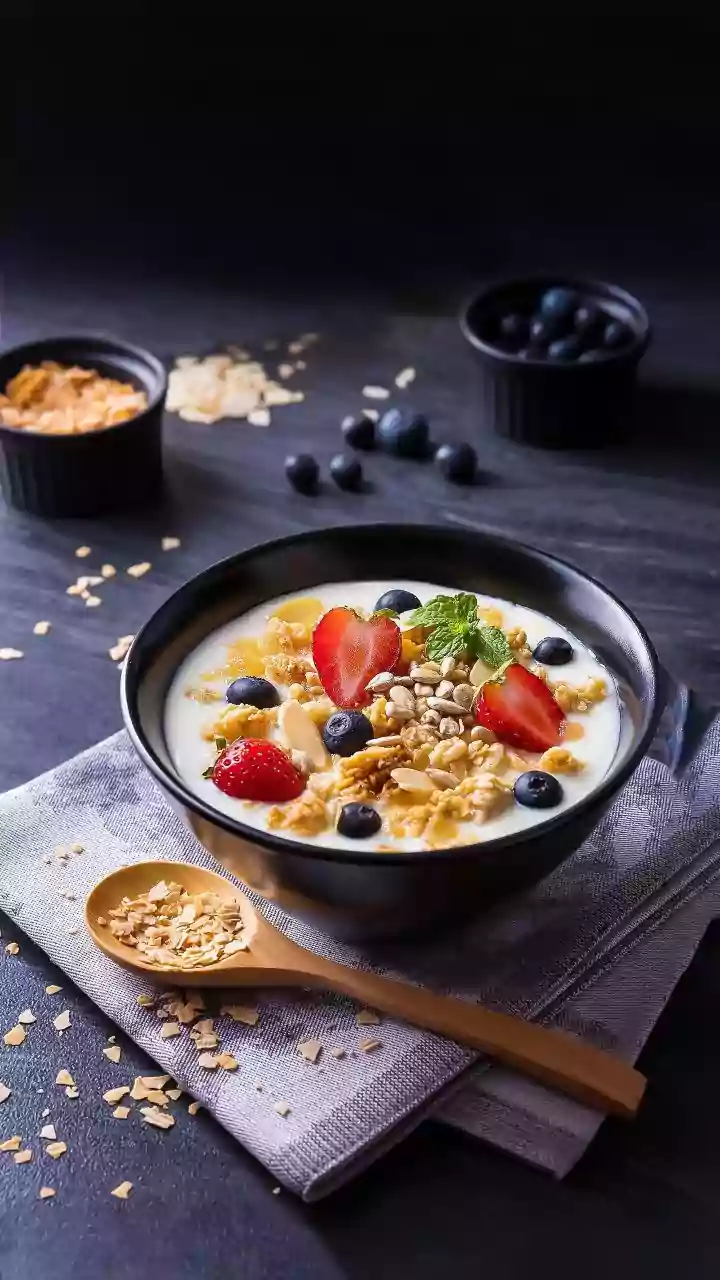
Arguably the most famous fasting dish in India, Sabudana Khichdi is a beloved staple in Maharashtra. These soft, chewy tapioca pearls are transformed into a delightful meal that provides sustained energy. The preparation is simple yet flavourful, involving
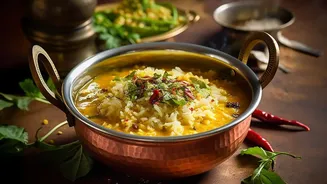
soaked sabudana tossed with coarsely crushed roasted peanuts, boiled potato cubes, and fresh green chillies. A tempering of cumin seeds in ghee is essential, and a final squeeze of lemon juice with a garnish of fresh coriander brings it all together. Since it is free from grains, onions, and garlic, it is the perfect 'vrat' food, offering a light yet satisfying meal to those observing the fast.
Kuttu ki Puri with Aloo from Uttar Pradesh
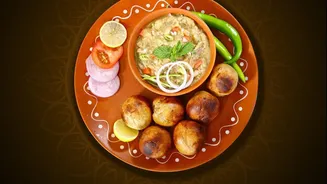
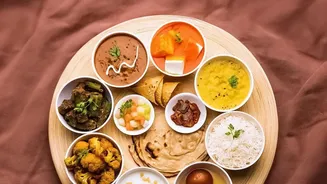
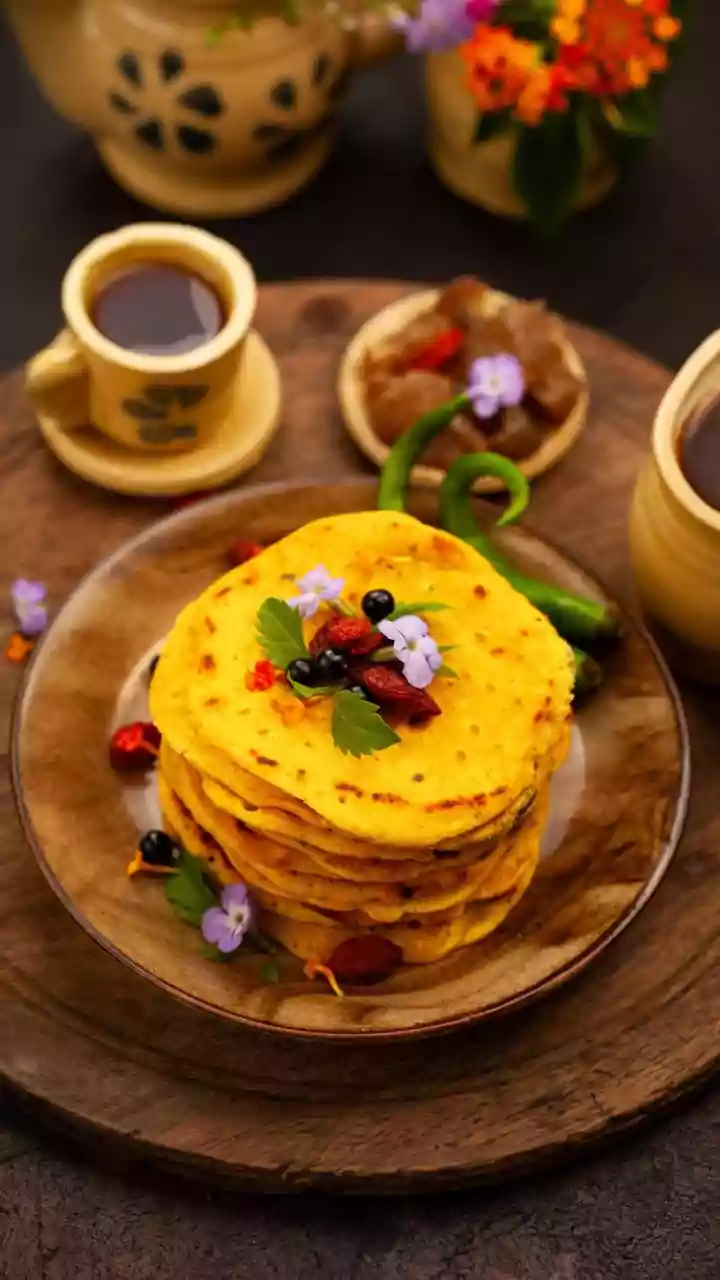
In the heartlands of Uttar Pradesh, Sawan Mondays are often marked by the earthy aroma of Kuttu ki Puri. Made from buckwheat flour, or 'kuttu ka atta', these puris have a distinct nutty flavour and a slightly crisp texture. The dough is typically prepared by mixing the flour with boiled and mashed potatoes, which act as a binding agent since buckwheat is gluten-free. Seasoned with rock salt (sendha namak) and sometimes cumin, these dark-hued puris are deep-fried until they puff up beautifully. They are most commonly served with a simple, comforting potato curry made without onion or garlic, creating a wholesome meal that feels like a feast.
Farali Pattice from Gujarat
Gujarat is renowned for its elaborate 'farali' (fasting) cuisine, and the Farali Pattice is a standout delicacy. These are crisp, golden-brown patties with a flavourful filling that offers a burst of sweet, spicy, and tangy notes. The outer layer is made from mashed potatoes, coated in arrowroot flour for crispness. The real magic, however, is the filling: a delightful mixture of grated coconut, roasted peanuts, sesame seeds, ginger-chilli paste, and a hint of sugar and lemon juice. Once stuffed and shaped, these patties are fried to perfection. They represent the creative spirit of Gujarati cooking, turning simple fasting ingredients into an unforgettable snack.
Makhana Kheer from Bihar
Bihar, a major producer of makhana (fox nuts), naturally incorporates this nutritious ingredient into its festive and fasting foods. Makhana Kheer is a creamy, luxurious dessert that is both light and filling, making it ideal for Sawan. The fox nuts are first lightly roasted in ghee until they become crisp, with some being coarsely crushed to thicken the kheer while others are left whole for texture. They are then simmered in milk until it reduces and thickens. The pudding is sweetened with sugar and delicately flavoured with cardamom powder and saffron, then garnished with chopped nuts like almonds and pistachios. This kheer is a comforting and divine offering.
Singhare ka Halwa from Rajasthan
A rich and comforting sweet, Singhare ka Halwa is a classic vrat dish popular across North India, particularly in states like Rajasthan. It is made from 'singhare ka atta', or water chestnut flour, which is naturally gluten-free and permissible during fasts. The flour is first roasted in a generous amount of ghee until it turns a deep brown colour and releases a fragrant, nutty aroma. Hot water or milk is then added carefully, followed by sugar, and the mixture is stirred continuously until it thickens into a glossy, smooth pudding. Flavoured with cardamom and garnished with almonds, this halwa provides warmth and instant energy, making it perfect for a rainy Sawan day.
Vrat Wale Aloo from Punjab
In Punjabi households, potatoes become a versatile hero during Sawan fasts. Vrat Wale Aloo is a simple yet flavour-packed dish that serves as the perfect accompaniment to kuttu puris or rajgira parathas. Unlike regular potato curries, this dish is sattvik, prepared without onions, garlic, turmeric, or garam masala. The magic lies in its simplicity: boiled and cubed potatoes are gently sautéed in ghee with a tempering of cumin seeds, chopped green chillies, and fresh ginger. The primary seasoning is sendha namak (rock salt) and a sprinkle of black pepper. A garnish of fresh coriander leaves adds a final touch of freshness, creating a dish that is both nourishing and delicious.
Javvarisi Payasam from Tamil Nadu
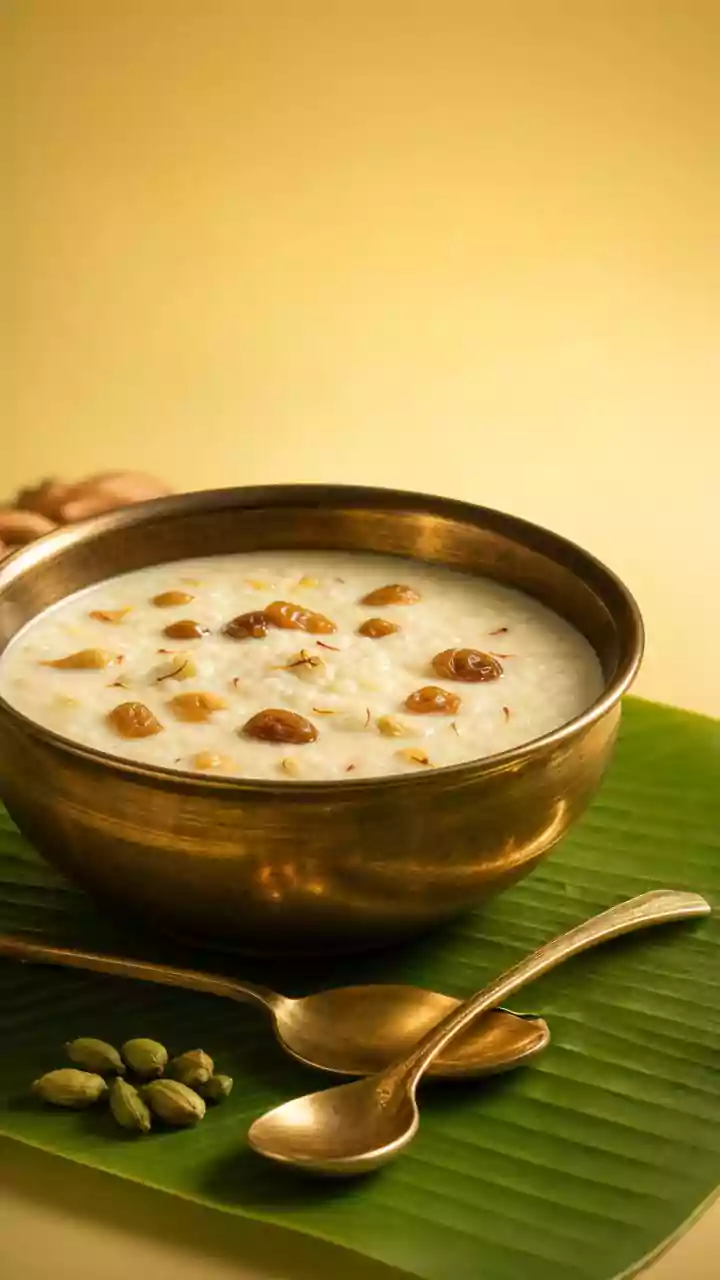
While sabudana is a pan-India fasting staple, its incarnation as a sweet, creamy payasam (kheer) is particularly cherished in South India. In Tamil Nadu, 'javvarisi' (tapioca pearls) is used to create a delightful dessert perfect for concluding a vrat meal. The tapioca pearls are cooked in milk until they become soft and translucent. To enhance the richness, some recipes use a combination of milk and coconut milk. The payasam is sweetened with sugar or jaggery and infused with the fragrant aroma of cardamom. A final garnish of cashews and raisins fried in ghee adds a delightful crunch and richness, making it a soothing and festive treat.