





A Sweet Surrender
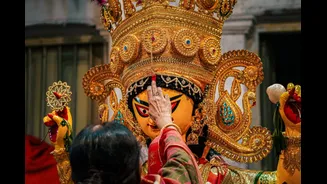
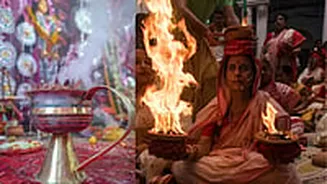
In Bengal, Durga Puja is an emotion, a five-day-long carnival of faith, art, and community. And at the heart of this celebration is food, especially 'mishti' (sweets). They are more than just dessert; they are offerings to the goddess, symbols of joy,
and the currency of connection. Visiting friends and family during Puja without a box of sweets is almost unthinkable. The period after the idol immersion, known as 'Bijoya', is marked by visiting loved ones, where being treated to sweets is a deeply ingrained custom. This year, the connection is so profound that some pandals in North Kolkata have even adopted 'sweets' as their central theme, showcasing the rich cultural legacy of Bengal's sweet-making traditions. It's a time when calorie counting is joyfully abandoned, and the city collectively indulges in its sweet tooth.
Sandesh: The Soul of Simplicity
Perhaps no sweet is more quintessentially Bengali than the Sandesh. Made from finely kneaded 'chhena' (fresh cottage cheese) and sugar, its brilliance lies in its simplicity. This delicate, melt-in-your-mouth sweet comes in countless varieties, from the classic plain Sandesh to those infused with saffron (Kesar Sandesh) or the seasonal favourite, date palm jaggery (Nolen Gur Sandesh). During Durga Puja, it is a staple offering and a popular gift. Iconic shops like Girish Chandra Dey & Nakur Chandra Nandy or Bhim Chandra Nag have built legacies on the foundation of this humble yet versatile sweet.
Rosogolla: The Spongy Sphere of Joy
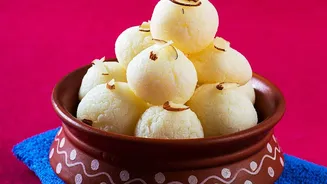
The undisputed king of Bengali sweets, the Rosogolla, needs no introduction. These soft, spongy balls of chhena, boiled and soaked in a light sugar syrup, are a symbol of pure bliss. Considered a pure and 'sattvik' offering, Rosogolla is often presented as 'bhog' to the goddess. Its light texture makes it a favourite for all ages, and it's a non-negotiable part of the festive spread. Heritage establishments like K.C. Das are legendary for their contribution to this iconic sweet, which remains a bestseller during the Puja rush.
Mishti Doi: The Creamy Cooler
Mishti Doi, or sweet yoghurt, is a comforting and cooling counterpoint to richer fried foods and savouries enjoyed during pandal-hopping. Traditionally prepared by sweetening and fermenting yoghurt, it is set in earthen pots which help absorb excess water, resulting in a thick, creamy, and decadent texture. Its caramel-like flavour and rustic charm make it a perfect end to any festive meal, cutting through the richness with its subtle tang. No Puja feast feels complete without a serving of this beloved dessert.
Pantua: The Golden Indulgence
Often mistaken for a Gulab Jamun, the Pantua is a distinctly Bengali treasure. Made from a dough of chhena, semolina, and khoya, these balls are deep-fried to a beautiful reddish-brown before being soaked in a fragrant sugar syrup. The result is a sweet with a slightly firm, caramelised crust and a soft, yielding interior. It’s a richer, more indulgent sweet that is especially popular during the festive season, offering a warm and satisfying treat on a cool autumn evening.
Homely Delights: Narkel Naru
While shops do brisk business, many sweets are still lovingly prepared in home kitchens, following recipes passed down through generations. A prime example is Narkel Naru, small round sweets made from grated coconut and jaggery or sugar. These ladoos symbolise prosperity and homely warmth. Making them is often a communal activity, bringing family members together. Ananda Naru, a fried version made with rice flour, coconut, and jaggery, is another such traditional sweet that evokes happy occasions and family celebrations.