







The Rise of a New Road Aesthetic
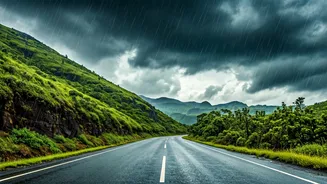
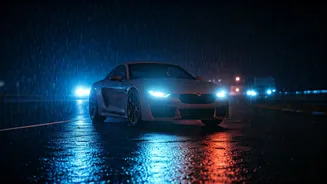
There’s a visual mood spreading across our social media feeds and, increasingly, our real-world view from the driver’s seat. It’s a look steeped in neon-noir and cyberpunk dreams: slick, dark roads shimmering under the rain, with cars that look less like
commuters and more like characters from a sci-fi film. What was once a miserable weather condition is now the perfect backdrop for a specific, compelling aesthetic. This isn’t just a fluke of the weather; it’s the result of a perfect storm of design, technology, and a cultural shift in what we find beautiful. The mundane monsoon drive has been given a high-fashion makeover, drawing inspiration from films like 'Blade Runner' where rain and light play crucial roles in building a futuristic, atmospheric world.
It All Starts with the Lights
The single biggest contributor to this new look is the revolution in automotive lighting. For years, cars used halogen bulbs, which cast a warm, yellowish, and somewhat diffuse glow. They did the job, but they weren't particularly artistic. Today, LED, Matrix LED, and even laser headlights dominate. These technologies produce a clean, crisp, and intensely bright white or blue-tinted light. Instead of a fuzzy halo, you get sharp, defined beams that slice through the darkness and rain. Automakers are now using lighting as a core part of their brand identity. Think of Audi’s sweeping animated indicators or the single, unbroken red light bar on the back of a modern Porsche or Kia. When these sharp light signatures hit wet asphalt, they create long, razor-sharp reflections that are far more dramatic and visually arresting than the soft puddles of light from older cars.
Design That Loves Water
Modern car bodies are also playing a leading role. Car design has moved towards sharper creases, more aggressive aerodynamic lines, and complex surfaces. These aren't just for looks or fuel efficiency; they also interact with water in a beautiful way. Rain no longer just sheets off a car; it beads, streaks, and flows along these carefully sculpted lines, highlighting the car's form. High-tech paint finishes with deep gloss or metallic flecks amplify this effect. A dark grey metallic paint, for instance, can look almost liquid silver under streetlights in the rain. The water becomes a temporary layer that accentuates the vehicle's design, catching and reflecting light from every angle. It turns the car from a static object into a dynamic canvas.
The Photographer’s New Playground
This visual feast hasn’t gone unnoticed. Professional photographers and amateur shutterbugs alike now actively seek out rainy nights. Platforms like Instagram are filled with stunning automotive shots that would have been impossible to capture just a decade ago. The combination of powerful lighting and reflective surfaces creates high-contrast, moody images that are incredibly popular. The accessibility of powerful cameras on our smartphones means anyone can capture a piece of this magic. A once-challenging environment for photography—low light, high reflectivity, and inconvenient weather—has become a sought-after setting. This online trend reinforces the aesthetic, encouraging more people to notice and appreciate the beauty of a rainy drive.
Finding Beauty in the Gloom
So why are we so captivated by this? It taps into a deeper feeling. There's a sense of cozy solitude—being safe and warm inside a futuristic cocoon while the world outside is wet and chaotic. It’s a feeling of being in your own private movie scene. The sharp lights and dark, slick surfaces feel clean, modern, and sophisticated. In a world that can often feel messy and uncertain, these images offer a vision of controlled, beautiful order. It’s a moment of found beauty, a reminder that artistry and wonder can appear in the most ordinary of circumstances, like being stuck in traffic during a downpour.