


The Mighty Millet Renaissance
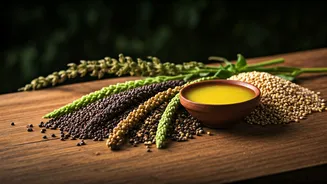
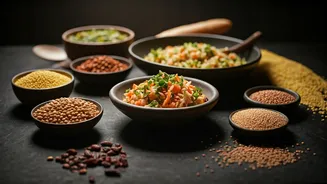
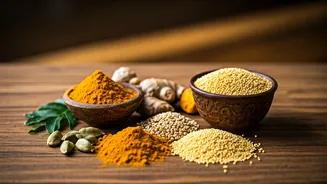
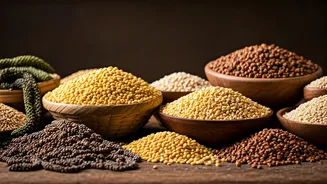
Not long ago, millets like ragi, jowar, and bajra were often dismissed as coarse, rural fare. Today, they are the undisputed superstars of the health food world. This incredible comeback is fuelled by a perfect storm of factors. Nutritionally, they are powerhouses—gluten-free,
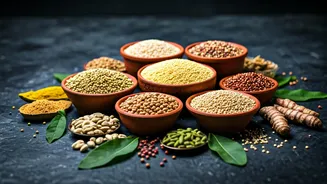
high in fibre, and packed with minerals like iron and calcium. Their low glycemic index makes them a boon for managing blood sugar. Beyond personal health, millets are champions of sustainability. These hardy crops are drought-resistant and require far less water and fewer inputs than wheat or rice, making them a climate-smart choice for farmers. With the United Nations declaring 2023 the International Year of Millets, championed by India, their journey from humble grain to global superfood is complete. You can now find ragi dosas on chic cafe menus, bajra crackers in gourmet stores, and jowar flour in every urban pantry.
Jackfruit: From Backyard to Biryani
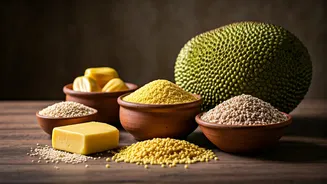
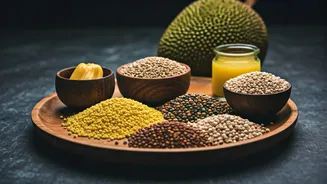
For generations, raw jackfruit (kathal) was a seasonal, homely vegetable, often used in curries and pickles. Its transformation into a trendy meat substitute is one of the most surprising culinary stories of the decade. When cooked unripe, its fibrous texture brilliantly mimics that of pulled pork or shredded chicken, making it a darling of the vegan and vegetarian community. Chefs have embraced its versatility, using it to create everything from 'pulled pork' sandwiches and tacos to flavourful kathal biryani that can satisfy even the most ardent meat-eater.
This trend isn't just about mimicking meat; it's about celebrating a local, sustainable resource. The jackfruit tree is common across India, and its fruit is abundant. By finding new, exciting uses for it, we are reducing food waste and embracing an ingredient that has been in our backyards all along.
Heirloom Rice: Beyond Basmati
While basmati and sona masuri have dominated the Indian rice market for decades, a growing appreciation for biodiversity and unique flavours is bringing heirloom rice varieties back to the table. These are not your everyday polished white grains. Think of the nutty, fragrant Chak-Hao (black rice) from Manipur, a potent antioxidant once reserved for royalty. Or consider the earthy, robust Kerala Red Rice (Matta rice), whose unpolished bran layer is rich in nutrients.
Consumers are seeking out these indigenous varieties for their distinct tastes, textures, and superior nutritional profiles. This shift supports small-scale farmers who preserve these traditional seeds and helps protect India's incredible agricultural heritage from the threat of monoculture.
Amaranth: The Royal Fasting Grain
Amaranth, known as 'rajgira' (the royal grain) or 'ramdana' (God's grain), has long been a staple during religious fasts in India. Its tiny seeds are often popped and turned into laddoos or mixed with jaggery. Now, this pseudo-cereal is breaking free from its festive confines. As a complete protein containing all nine essential amino acids, amaranth is a nutritional giant. It's also gluten-free and rich in calcium and iron.
Modern wellness enthusiasts are incorporating it into their daily diets. You’ll find puffed amaranth in breakfast cereals and granola bars, and its flour is used to make everything from gluten-free bread to pancakes. Its journey from a sacred offering to a daily superfood highlights the wisdom embedded in our traditions.
Ghee and Jaggery: The Golden Revival
For years, ghee was unfairly villainised, lumped in with unhealthy fats. Today, it is being celebrated for what it is: a healthy, stable cooking fat rich in fat-soluble vitamins and butyric acid, which is great for gut health. This return to traditional wisdom sees people swapping refined vegetable oils for pure, fragrant ghee in their daily cooking.
Similarly, unrefined jaggery (gur) is making a comeback against processed white sugar. Derived from sugarcane juice or date palm sap, jaggery retains molasses and trace minerals like iron and magnesium. While it is still a sugar, its less-processed nature and complex, caramel-like flavour are making it a preferred sweetener in everything from morning tea to healthy desserts. This trend signifies a collective move away from hyper-processed ingredients towards more wholesome, natural alternatives.