




A Tale of Two Culinary Worlds
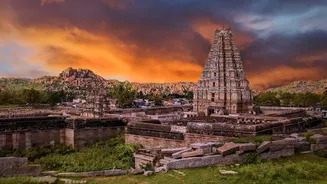
Hampi and Gokarna, though both jewels of Karnataka, offer vastly different travel experiences reflected vividly in their local cuisines. Hampi, the erstwhile capital of the grand Vijayanagara Empire, serves history on a platter. Its food is rooted in inland,
agrarian traditions, predominantly vegetarian due to its status as a sacred temple town. Gokarna, on the other hand, is a laid-back coastal town where the rhythm of life is set by the Arabian Sea. Its culinary identity is defined by the fresh catch of the day and the liberal use of coconut, characteristic of Konkan coastal cooking. Exploring these two places through their food is like reading two different, equally fascinating chapters of Karnataka's story.
Hampi: Dining Amidst Ancient Ruins
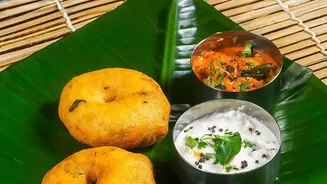
To eat in Hampi is to connect with its glorious past. The food here is a legacy of the Vijayanagara Empire, simple, wholesome, and deeply satisfying. The quintessential meal is a South Indian vegetarian thali, often served traditionally on a banana leaf. This platter typically includes rice, sambar, rasam, a couple of vegetable preparations (palyas), curd, and a pickle. It’s a balanced and flavourful affair that fuels you for a day of exploring the magnificent ruins. You will also find North Karnataka staples like Jolada Rotti (sorghum flatbread) served with a spicy brinjal curry known as Ennegayi. This rustic fare speaks of the region's agricultural heartland.
The Spirit of Sattva and Global Cafes
As a revered temple town, the area around the main Virupaksha temple complex in Hampi adheres to sattvic principles. This means food is strictly vegetarian, and you won't find alcohol or meat readily available on the main bazaar side of the river. This purity of diet is considered conducive to spiritual well-being. Yet, Hampi is also a global tourist hub, which has given rise to a unique cafe culture. In the lanes of Hampi Bazaar and across the river, laid-back cafes with floor seating offer everything from Israeli shakshuka to Italian pasta, catering to international travelers. However, even these global menus are often infused with local touches, creating a unique fusion that defines the modern Hampi experience.
Gokarna: A Feast from the Sea
The journey to Gokarna is a journey to the coast, and the food immediately announces this shift. The air smells of salt and spices, and the menus in the beach shacks are brimming with the bounty of the Arabian Sea. Konkan cuisine reigns supreme here. Think fresh fish like pomfret or kingfish, marinated in a fiery red masala and fried until crisp. Prawns and squid are turned into delicious dry preparations (sukka) or simmered in rich, coconut-based curries. A typical meal is fish curry rice, a simple yet profoundly satisfying dish that captures the essence of coastal life. It’s best enjoyed with your feet in the sand, watching the waves crash on the shore.
From Temple Prasadam to Beachside Bites
Like Hampi, Gokarna is also a significant pilgrimage site, home to the Mahabaleshwar Temple. Around the temple, you can find simple, traditional vegetarian food. However, it's the beach life that has truly shaped Gokarna's modern culinary identity. The shacks lining Kudle Beach and Om Beach serve a mix of local seafood delicacies and global backpacker fare. A refreshing glass of Sol Kadhi, a pink-hued digestive drink made from kokum and coconut milk, is the perfect accompaniment to a spicy seafood meal. This blend of sacred and secular, of traditional flavours and international tastes, makes eating in Gokarna an adventure in itself.