


What is a Smoke Point, Anyway?
Every cooking fat, from butter to the fanciest oil, has a smoke point. It's the temperature at which the oil stops looking shimmery and starts sending up visible smoke. This isn't just a sign that your pan is hot; it's a chemical SOS. When an oil is heated
past its smoke point, its fats begin to break down, creating an unpleasant, burnt flavour. More importantly, this process destroys beneficial nutrients and can release harmful compounds called free radicals. These compounds can contribute to inflammation and other health risks when consumed regularly. The substance that gives burnt food its sharp taste is acrolein, which is released when oil degrades. In short, if your oil is smoking, your food isn't just going to taste bad—it's also losing nutritional value and becoming less healthy.
The Golden Standard: Understanding Ghee
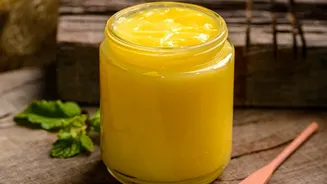
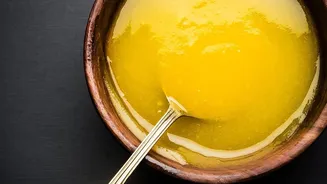
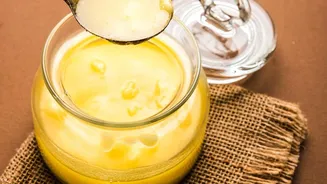
Ghee, a staple in Indian households for centuries, is a form of clarified butter. The process of making ghee involves simmering butter to remove the water and milk solids. This is precisely why it’s such a powerhouse for high-heat cooking. While butter begins to smoke and burn around 175°C, pure ghee has a very high smoke point of approximately 250°C (482°F). This makes it ideal for techniques like deep-frying, searing, and tadka, where temperatures can get quite high. Nutritionally, ghee is almost pure fat and is rich in fat-soluble vitamins like A, E, and K. Ghee made from grass-fed cows can also be a source of butyrate and Conjugated Linoleic Acid (CLA), which have been linked to anti-inflammatory benefits and supporting heart health. When it comes to infused ghee, where herbs and spices are added, the primary benefit is added flavour and antioxidants from the botanicals. The smoke point remains high, as it's determined by the base fat—the ghee itself.
The Rise of Cold-Pressed Oils
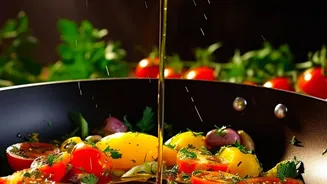
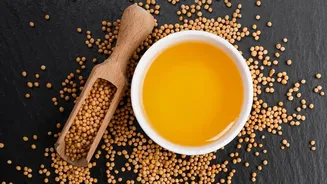
Cold-pressed oils have gained immense popularity for their superior nutritional profiles. As the name suggests, they are extracted from seeds or nuts using a mechanical press at low temperatures, without the use of chemical solvents. This gentle process helps the oils retain more of their natural antioxidants, vitamins, and flavour compounds compared to their refined counterparts. Common cold-pressed oils in India include groundnut, mustard, coconut, and sesame oil. However, their smoke points vary widely. Unrefined oils generally have lower smoke points because the very nutrients that make them healthy are also more sensitive to heat. For instance, some extra virgin olive oils have a low smoke point, making them unsuitable for high-heat cooking, while cold-pressed coconut and groundnut oils can handle moderate heat better. The key takeaway is that their delicacy is also their strength, making them perfect for applications where their nutrients and flavours can shine without being destroyed by heat.
Your Practical Guide: Which Fat for Which Task?
There's no single winner in this face-off; the right choice depends entirely on what you're cooking. Think of it as choosing the right tool for the job. For Deep Frying and Searing: Ghee is the undisputed champion here. Its high smoke point of 250°C provides plenty of headroom for high temperatures needed for making puris, pakoras, or searing meat. Most cold-pressed oils are not suitable for this. For Tadka and Sautéing: Both can work well. Ghee is a reliable choice for a quick, high-heat tadka. However, many traditional Indian recipes use cold-pressed oils like mustard or sesame oil for tempering, where the goal is to quickly release the aroma of spices in hot oil without prolonged heating. For medium-heat sautéing, stable cold-pressed oils like coconut and groundnut oil are also excellent choices. For Drizzling and Dressings: Cold-pressed oils are the stars. Using a flavourful, nutrient-rich cold-pressed sesame or groundnut oil in a salad dressing or as a final drizzle over a finished dish adds a layer of flavour and preserves all its health benefits. Using ghee this way is less common, but a drizzle on dal or roti is a classic for its flavour.