


The Pressure of the 'Perfect' Plate
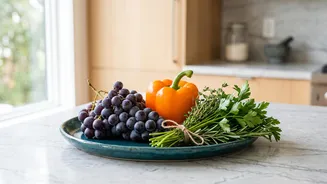
Scroll through social media, and you'll be inundated with images of 'clean' meals, lists of 'good' and 'bad' foods, and complicated recipes promising to unlock your best self. This modern food culture, while often well-intentioned, has created a kitchen
filled with pressure. Home cooks are made to feel that every meal must be optimised for peak nutritional performance. Ingredients can be expensive and hard to find, and the techniques often feel better suited to a professional kitchen than a busy weeknight. This constant striving for a 'perfect' plate can transform cooking from a creative release into a source of stress and anxiety, leaving many to wonder if they can ever measure up.
A Return to Delicious Simplicity
Thankfully, a quiet rebellion is simmering. A growing number of food writers, bloggers, and cookbook authors are shifting the focus away from rigid health rules and back to the basics: flavour, accessibility, and enjoyment. These recipe collections celebrate the beauty of simple steps and everyday ingredients. The philosophy is not anti-health, but rather pro-joy. The goal isn't to hit a certain nutrient target, but to create a delicious meal that makes you feel good. This approach champions the idea that cooking can be an intuitive, relaxing, and rewarding part of your day. It’s about building confidence in the kitchen through straightforward, reliable recipes that deliver great taste without demanding perfection.
What Simple Cooking Looks Like
This new-old way of cooking is defined by its practicality. Recipes often feature shorter ingredient lists, relying on pantry staples and easily sourced fresh produce. Many popular Indian food bloggers, for example, build their collections around authentic, homestyle dishes that have been passed down through generations—meals designed for real family life, not just for a photo. Techniques are streamlined and explained in clear, simple language. You'll find an emphasis on one-pan meals, 30-minute curries, and versatile base sauces that can be adapted to whatever you have on hand. The instructions focus on the 'how' and 'why'—like how to properly brown onions for maximum flavour or the reason for toasting spices—empowering you to become a more intuitive cook rather than just a follower of steps.
Finding Joy in the Process
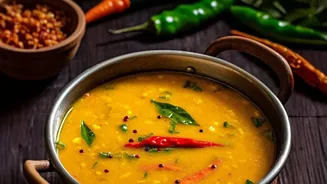
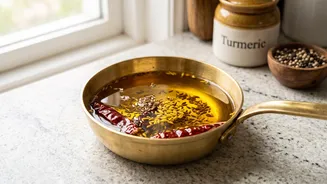
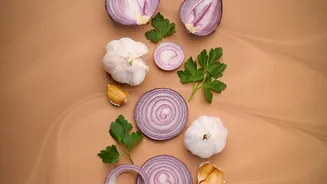
By removing the burden of health guarantees, this approach allows us to rediscover the meditative and creative aspects of cooking. Chopping vegetables, smelling the aroma of spices hitting a warm pan, and watching a dish come together can be a deeply grounding experience. It shifts the focus from an outcome-based goal ('I must eat this to be healthy') to a process-oriented pleasure ('I am enjoying making this meal'). This can have profound effects on our relationship with food, fostering a sense of appreciation and mindfulness. It allows food to be a source of comfort, connection, and cultural expression rather than just fuel. Many collections now explicitly celebrate this, offering recipes for everything from a quick weeknight dal to a more elaborate weekend feast, all united by the common thread of accessible enjoyment.
Moving Beyond Restrictive Labels
Ultimately, the movement towards simpler recipes is a liberating step away from the often-confusing and contradictory world of diet culture. Health is multifaceted and deeply personal; no single dish or ingredient holds the magic key. Instead of chasing fleeting trends or feeling guilty about not eating 'perfectly,' this philosophy encourages a more balanced and sustainable approach. It trusts individuals to know what feels good for their own bodies. It's a reminder that a lovingly prepared meal, shared with family or enjoyed in quiet solitude, offers a kind of nourishment that can't be measured in calories or macronutrients. By focusing on simple, reliable, and delicious food, these recipe collections give us permission to simply enjoy cooking and eating again.