








1. Ignoring Stagnant Water
That small puddle in an old tyre or a flower pot base seems harmless, but it’s a luxury condominium for Aedes aegypti mosquitoes, the carriers of dengue and chikungunya. The monsoon is peak season for these vector-borne diseases. Letting water collect
around your home is the single biggest mistake you can make. **The Fix:** Do a weekly patrol. Empty and dry any containers, coolers, and trays that collect water. For areas you can't drain, a few drops of kerosene or a specific larvicide can prevent breeding. Your local municipal corporation often provides guidelines and sometimes even free resources for this.
2. Indulging in Risky Street Food
Who can resist hot pakoras and bhajiyas when it's pouring outside? While tempting, uncooked or poorly handled street food is a major source of water-borne illnesses like typhoid, cholera, and gastroenteritis. Contaminated water used for chutneys or washing vegetables is a common culprit. **The Fix:** If you must indulge, choose vendors who cook the food fresh in front of you at high temperatures. Avoid anything that has been sitting out, especially cut fruits, salads, and anything with cold sauces. Better yet, replicate your favourite street snacks at home for a safe and satisfying treat.
3. Wearing the Wrong Footwear
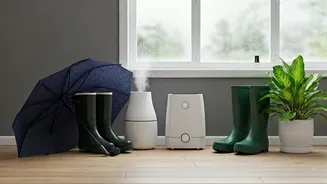
Your favourite canvas sneakers or leather shoes are not your friends during the monsoon. They soak up dirty water, take forever to dry, and become a breeding ground for fungus, leading to nasty foot infections like athlete's foot. Moreover, leather gets permanently damaged by water. **The Fix:** Invest in a good pair of waterproof rubber boots, floaters, or crocs-style footwear. They are easy to clean, dry quickly, and provide a better grip on slippery surfaces. Always wash and dry your feet thoroughly after coming indoors from the rain.
4. Underestimating Indoor Humidity
The dampness doesn't just stay outside. High humidity inside the home leads to mould and mildew on walls, in closets, and on furniture. This not only causes a musty smell but can also trigger allergies, asthma, and other respiratory problems. **The Fix:** Ensure good ventilation. Open windows on dry, breezy days. Use exhaust fans in kitchens and bathrooms. Camphor, neem leaves, or commercially available moisture absorbers can be placed in cupboards to protect clothes. A dehumidifier is a worthy investment for particularly damp homes.
5. Driving Through Waterlogged Roads
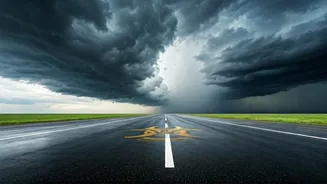
It looks like a shortcut, but driving your car or bike through a flooded street is a recipe for disaster. You can't see hidden potholes or open manholes. Water entering the engine's air intake can cause it to seize (hydrostatic lock), leading to an engine repair bill that will definitely ruin your season. **The Fix:** Patience is your best friend. If a road is flooded, turn around and find an alternate route, or simply wait for the water to recede. It’s better to be late than to have a stalled vehicle and a massive expense.
6. Forgetting to Protect Your Gadgets
Your smartphone, laptop, and earphones are essential, but they are extremely vulnerable to water and humidity. A sudden downpour or even just the high moisture content in the air can cause irreparable damage. **The Fix:** Always carry a waterproof bag or even a simple zip-lock pouch for your electronics. Avoid taking calls in heavy rain. If a device does get wet, turn it off immediately, do not charge it, and place it in a container of uncooked rice or with silica gel packets to draw out the moisture.
7. Not Boosting Your Immunity
The constant dampness and temperature fluctuations during the monsoon make your body more susceptible to viral and bacterial infections, leading to the common cold, flu, and sore throats. Ignoring your body's defences is asking for trouble. **The Fix:** Strengthen your immune system. Incorporate Vitamin C-rich foods like amla, lemons, and oranges into your diet. Traditional remedies like turmeric milk (haldi doodh), ginger tea, and herbal kadhas can be very effective. Ensure you get adequate sleep, as rest is crucial for a strong immune response.
8. Neglecting Your Skin and Hair
The combination of humidity and sweat can clog pores, leading to acne breakouts. The damp environment is also perfect for fungal infections. Your hair isn't safe either; increased frizz and dandruff are common monsoon complaints. **The Fix:** Keep your skin clean and dry. Use an anti-fungal dusting powder in body folds to prevent infections. Use a clay-based face mask to absorb excess oil. For hair, use a gentle anti-dandruff shampoo and avoid heavy, oil-based conditioners that can weigh it down.
9. Using Damaged Electricals
Damp walls and high humidity dramatically increase the risk of electrical shocks and short circuits. Using frayed wires, faulty switches, or overloading sockets during this time is incredibly dangerous. **The Fix:** Before the monsoon begins, have an electrician check your home's wiring. Immediately replace any damaged cords or plugs. Avoid touching switches with wet hands, and always wear rubber-soled footwear when operating appliances if the floor is damp.
10. Not Having an Emergency Kit
Heavy rains can lead to unexpected power cuts, traffic standstills, and situations where you might be stuck at home or in the office. Being unprepared can turn an inconvenience into a genuine emergency. **The Fix:** Prepare a simple emergency kit. Include a powerful torchlight or emergency lamp, a power bank for your phone, a first-aid kit with basic medicines, some non-perishable snacks, and clean drinking water. Having this ready means you can handle minor monsoon disruptions with calm and confidence.