







The Kitchen Cabinet Cure-All
For generations of Indians, the sight of a castor oil bottle was a familiar, if not always welcome, one. Known as ‘arandi ka tel’, it was the ultimate multi-purpose tool in every dadi and nani's arsenal. Got a stubborn stomach ache? A spoonful of castor oil was the formidable,
yet effective, answer. Aching joints? A warm castor oil massage was prescribed. Thinning hair or sparse eyebrows? A nightly application was the go-to solution. This thick, viscous oil, derived from the seeds of the Ricinus communis plant, has a documented history of use stretching back thousands of years, not just in India but in ancient Egypt and China too. Its power was primarily attributed to its potent laxative effects when ingested and its anti-inflammatory properties when applied topically. In Indian households, it was more than just a remedy; it was a ritual, a piece of inherited wisdom passed down through matriarchs, representing a time when the kitchen cabinet doubled as the pharmacy.
The Social Media Makeover
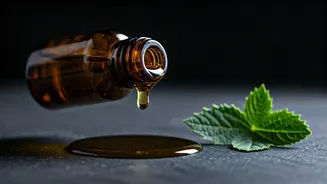
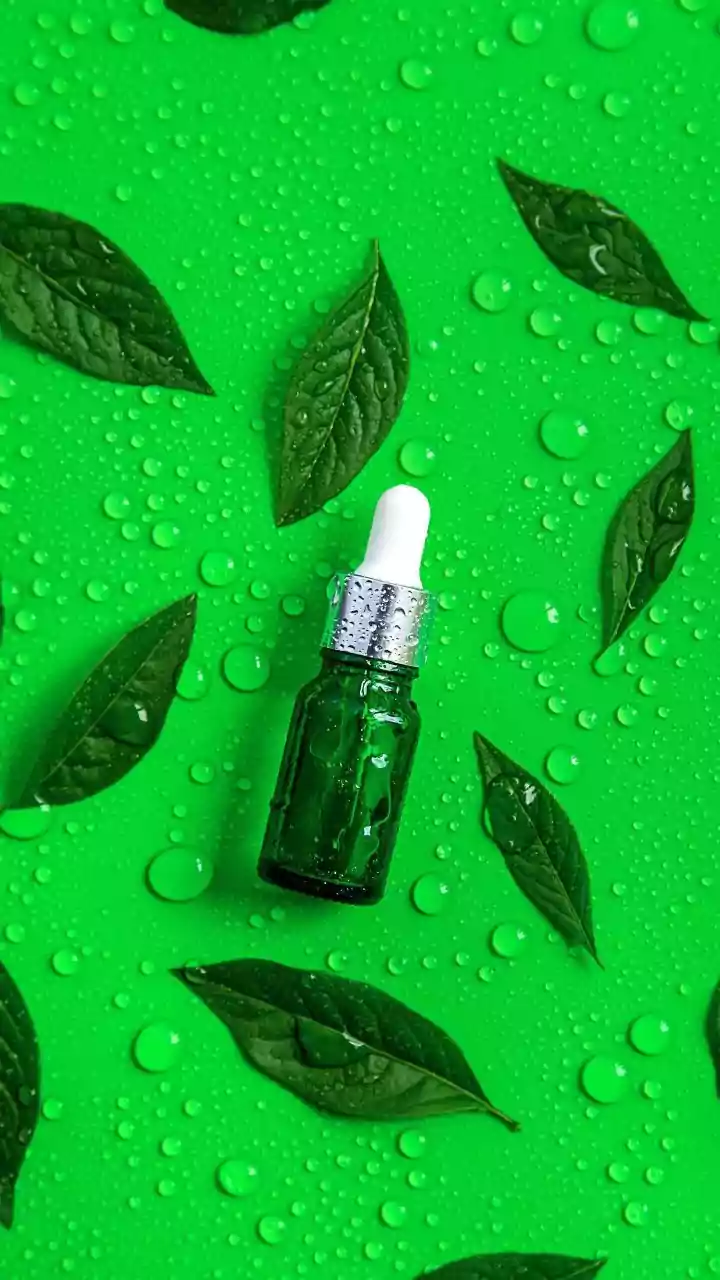
Fast forward to today. The same oil once associated with old-fashioned remedies is now the star of slick, aesthetically pleasing Instagram Reels and TikTok videos. Gen Z and millennial influencers are rebranding castor oil from a humble household staple into a must-have beauty elixir. Packaged in chic dropper bottles, it’s being hailed as a miracle worker for modern beauty concerns. The trend is most prominent in haircare. The traditional practice of ‘hair oiling’ has gone global, and castor oil is at its forefront, promoted for strengthening roots and promoting thicker, longer locks. Beyond hair, it’s become a viral sensation for eyebrow and eyelash growth, with countless videos showing ‘before and after’ transformations. The latest trend is ‘face slugging’—applying a thin layer of castor oil over regular skincare to lock in moisture overnight, promising a dewy, glass-skin glow by morning. From a kitchen cure, it has transformed into a viral cosmetic hero.
Science vs. Social Media
With all the viral hype, it's crucial to ask: what does science say? Dermatologists and trichologists have a more nuanced view. Castor oil is rich in ricinoleic acid, a fatty acid that has impressive anti-inflammatory and antimicrobial properties. This can be beneficial for scalp health, potentially helping with dandruff and irritation. As a moisturiser, it’s an excellent humectant, meaning it draws moisture from the air into the skin, and an occlusive, meaning it forms a protective barrier that prevents moisture loss. This is why it works so well for ‘slugging’ and for conditioning dry hair, making it appear shinier and healthier. However, the claim that it directly stimulates *new* hair growth from the follicle is largely anecdotal. While it can prevent breakage, giving the appearance of faster growth, there is no strong scientific evidence to prove it’s a growth miracle. For lashes and brows, the conditioning effect can make them appear fuller, but it’s unlikely to be creating new follicles.
The Appeal of Authenticity
So why has this old-school oil captured the imagination of a generation known for its digital savvy and love for the new? The trend speaks to a larger cultural shift. In an era of overwhelming consumer choice and complex, multi-ingredient chemical formulas, there's a growing desire for simplicity and transparency. Castor oil is a single-ingredient, ‘natural’ product that feels authentic and trustworthy. There's also a powerful element of nostalgia and a reconnection with tradition. For many young Indians, using castor oil is a way to connect with the wisdom of their elders, but on their own terms—repackaged for a modern, social media-friendly world. It bridges the gap between ancient remedies and modern self-care. Finally, it’s affordable and accessible, offering a democratised form of luxury wellness that doesn’t require a hefty bank balance. It’s a small rebellion against the expensive, over-marketed beauty industry, and Gen Z is leading the charge.