



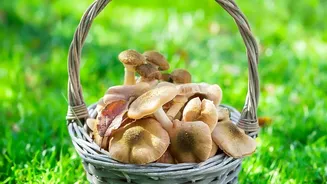
A Growing Seasonal Ritual
Across India, the ancient practice of mushroom foraging is finding a new and enthusiastic audience. What was once the domain of indigenous communities and rural households is now becoming a popular weekend activity for city dwellers seeking a connection
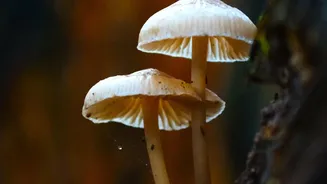
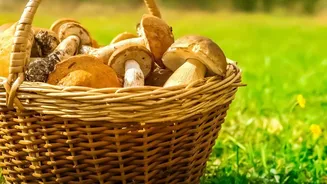
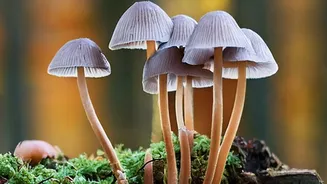
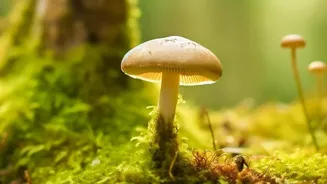
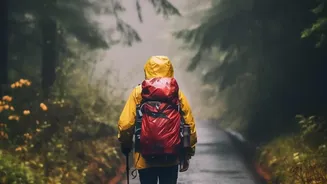
with nature. Guided 'fungi forays' or 'mushroom walks' are mushrooming in popularity in places like Delhi's urban forests, the Western Ghats of Goa and Maharashtra, and the Himalayan foothills of Himachal Pradesh and Uttarakhand. Enthusiasts, led by mycologists and local experts, are swapping their screens for the forest floor, learning to spot the subtle signs of fungal life hidden beneath leaves and on decaying logs. This trend speaks to a deeper desire to understand where our food comes from, moving beyond supermarket shelves to the very soil it grows on.
The Thrill of the Wild Harvest
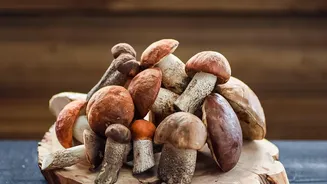
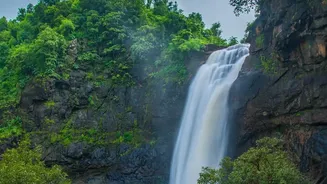
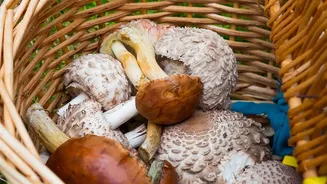
The allure of foraging lies in its unpredictability and the promise of discovery. The monsoon transforms landscapes, triggering the fruiting of a spectacular variety of wild mushrooms that are impossible to cultivate. In Goa, the most prized catch is the Termitomyces, known locally as 'olmi', which grows exclusively on termite mounds and is hailed as a seasonal delicacy for its meaty texture and earthy flavour. In the Sal forests of Jharkhand, foragers hunt for 'Rugda', a dense, pebble-like mushroom often called 'vegetarian mutton'. The forests of the Northwestern Himalaya yield their own treasures, including species of Chanterelle and even the famed Morel mushrooms. For many, the experience is less a hike and more a slow, observant walk—a form of mindfulness that requires all the senses.
A Crucial Word on Safety
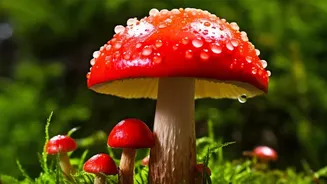
The romance of foraging, however, comes with a critical disclaimer: many delicious wild mushrooms have poisonous look-alikes. Misidentification can lead to severe gastrointestinal distress, liver damage, and in some cases, can be fatal. This is why the cardinal rule of foraging is to never eat anything you cannot identify with 100 percent certainty. Experts stress the importance of joining guided walks led by experienced foragers who possess generations of knowledge. They can teach vital identification skills and share the mantra every forager lives by: “When in doubt, throw it out.” While some indigenous communities have traditional methods to identify or detoxify certain fungi, for beginners, there is no substitute for expert guidance.
From Forest Floor to Dinner Plate
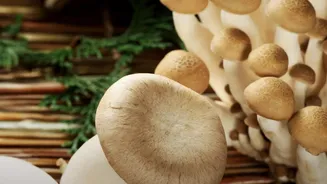
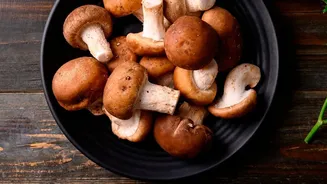
The journey culminates in the kitchen, where the foraged bounty connects the nature walk directly to the dining table. The flavour of wild mushrooms is often more intense and complex than their cultivated cousins. The 'olmi' of Goa is often cooked in rich coconut-based curries, while the 'Rugda' of Jharkhand is braised in rustic, spicy stews. There is a profound sense of satisfaction that comes from preparing a meal with ingredients you have gathered yourself. This 'forest-to-fork' experience is at the heart of the trend's appeal, closing the loop between nature, activity, and nourishment. It encourages a deeper appreciation for seasonal eating and the unique culinary heritage tied to India's diverse ecosystems. For many, a monsoon meal featuring wild mushrooms becomes a highlight of the year.